
Valerianella dentata
Valerianella dentata
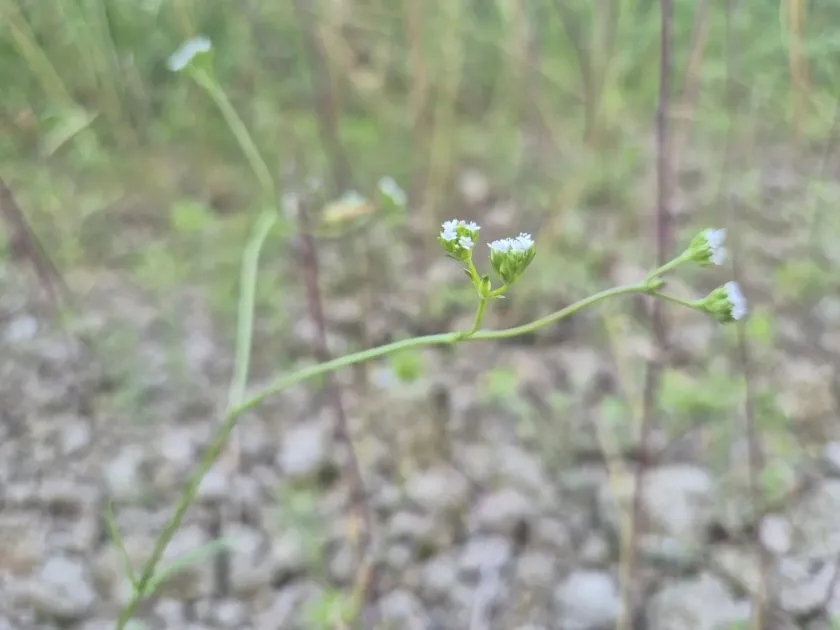
Description
Sowing dates
Valerianella dentata is an annual herbaceous plant that fits well into early spring planting cycles. For successful germination, seeds should be sown in soil that has reached a stable temperature, ensuring adequate moisture is available to initiate the growth process immediately.
The optimal sowing period typically occurs in early spring, once the risk of severe ground frost has passed. Seeds are relatively small and require precise placement at a shallow depth of approximately 1 to 2 centimeters to maximize emergence rates and prevent nutrient exhaustion before reaching the surface.
Maintaining proper spacing between rows is essential for this crop to ensure adequate airflow and light penetration. Overcrowding can lead to uneven development and higher susceptibility to moisture-related diseases, which is a common challenge in dense plantings.
Seedbed preparation involves fine-tilling to create a firm, level surface, which helps in maintaining uniform sowing depth. This careful preparation facilitates consistent seedling growth and simplifies later management tasks such as weed control and irrigation.
In various agricultural settings, winter sowing may be practiced in milder climates, allowing the plant to leverage autumn moisture for initial root development. This approach often results in more robust plants that are better equipped to withstand fluctuating spring temperatures.
Growing requirements
The plant thrives in well-lit environments, as high solar radiation is a key factor for healthy development and efficient photosynthesis. Exposure to direct sunlight is crucial for the plant to achieve its maximum biomass potential during the growing season.
Regarding soil preferences, Valerianella dentata performs best in well-drained, fertile soils with a neutral pH. It is particularly sensitive to waterlogged conditions, which can lead to root degradation and stunted growth, necessitating good field drainage practices.
Climate requirements for this species include a preference for cool, moderate temperatures. Excessive heat, especially during the flowering and seed-setting phases, can stress the plant and potentially lead to early senescence or reduced seed quality.
Water management is critical during the vegetative stage, as consistent soil moisture promotes lush growth and prevents premature bolting. While the plant can tolerate short periods of dryness, supplemental irrigation during drought is recommended to sustain crop vigor.
Soil nutrient management should be balanced, focusing on organic inputs to support long-term soil structure. Excessive synthetic nitrogen may promote overly vegetative growth at the expense of root health and reproductive performance.
Main diseases and pests
Common plant diseases affecting Valerianella dentata include powdery mildew and various leaf spot pathogens that thrive in high-humidity microclimates. Managing canopy density and providing adequate ventilation are essential strategies to reduce the impact of these fungal threats.
Insect pests such as aphids and small leaf-eating beetles can cause significant damage to young foliage, leading to weakened plants and reduced yield. Regular scouting of the field is necessary to identify early infestations and implement targeted control measures.
Root rot, often caused by poor drainage or over-irrigation, is a primary concern in many fields. Ensuring that the soil structure remains loose and aerated through regular cultivation is a fundamental preventative measure against these soil-borne issues.
Weed pressure remains a significant challenge, especially in the early stages of growth when the seedlings are vulnerable. Implementing effective weed control strategies, including mechanical hoeing or mulching, helps reduce competition for nutrients and water.
Integrated Pest Management (IPM) practices, including the use of beneficial insects and resistant varieties where possible, are recommended to maintain field health. Proactive monitoring and timely intervention are key to protecting the harvest from significant economic loss.