
Valerianella vesicaria
Valerianella vesicaria
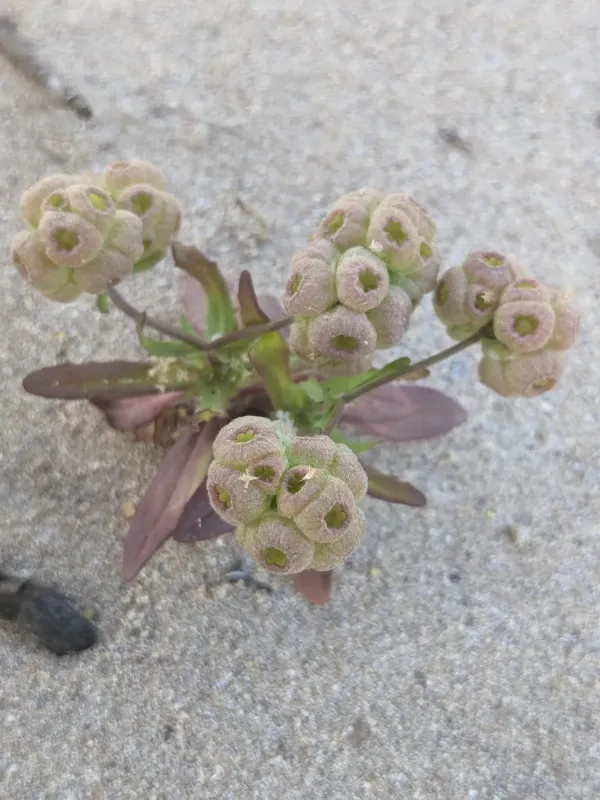
Description
Sowing dates
Valerianella vesicaria is an annual herbaceous plant belonging to the Caprifoliaceae family, increasingly recognized for its culinary potential.
Sowing should be carried out in early spring as soon as the soil is workable, with seeds placed at a shallow depth of approximately 0.5 to 1 cm.
The seeds are small, requiring fine soil tilth to ensure proper seed-to-soil contact and uniform germination across the field or garden plot.
Rows are typically spaced 15 to 20 cm apart to allow for proper plant development and easier maintenance during the early growth stages.
Successive sowings every few weeks are recommended to ensure a continuous supply of fresh harvest throughout the cooler months of the season.
Growing requirements
This crop thrives in cool, temperate climates and is highly sensitive to extreme heat, which can trigger early bolting and flowering.
Well-drained, fertile soil rich in organic matter is preferred, as the plant requires consistent moisture but is prone to root rot in waterlogged conditions.
A location with moderate sun exposure is ideal, though some shade during the hottest part of the day can prolong the harvest window.
Proper irrigation management is critical, as drought stress will rapidly lead to leaf wilting and a decline in the quality of the harvestable rosette.
Soil pH should be kept near neutral, and excessive nitrogen fertilization should be avoided to prevent nitrate accumulation in the leaves.
Yield
Yield expectations depend on plant density and moisture control, typically averaging between 1.5 and 2 kg per square meter under optimal management.
The crop reaches maturity quickly, usually within 40 to 50 days from emergence, depending on the specific climatic conditions of the growing season.
Maintaining a weed-free environment is essential for maximizing yield, as the plant does not compete well with aggressive weeds during early growth.
Thinning the plants early on ensures each rosette has enough space to expand, resulting in higher quality leaves and increased harvest weight.
Regular monitoring of plant development allows for a more efficient harvest schedule, ensuring the product is collected at its peak freshness.
Main diseases and pests
Fungal pathogens such as powdery mildew can be a problem in environments with poor air circulation or consistently high relative humidity.
Pests like aphids and flea beetles may target the tender leaves, necessitating vigilant observation and the use of integrated pest management practices.
Good cultural practices, such as proper spacing and strict adherence to crop rotation schedules, are the best methods for minimizing disease pressure.
Water management is also a form of disease prevention, as avoiding overhead irrigation in the evenings reduces the duration of leaf wetness.
Any signs of infestation should be managed promptly to prevent rapid spread through the densely planted rows characteristic of this crop.
Harvesting
Harvesting is performed by cutting the entire rosette at the soil base, ideally before the central stem begins to elongate significantly.
Early morning harvests are highly encouraged to ensure the leaves maintain maximum turgor pressure and freshness throughout the supply chain.
Once harvested, the produce should be kept away from direct heat and sunlight to preserve its nutritional quality and sensory characteristics.
Cleaning and sorting the leaves immediately after collection ensures that only the highest quality product reaches the consumer or the market.
Storage in cool, refrigerated conditions will extend the shelf life of the harvested rosettes, making it a viable crop for local market distribution.