
Valerianella uncinata
Valerianella uncinata
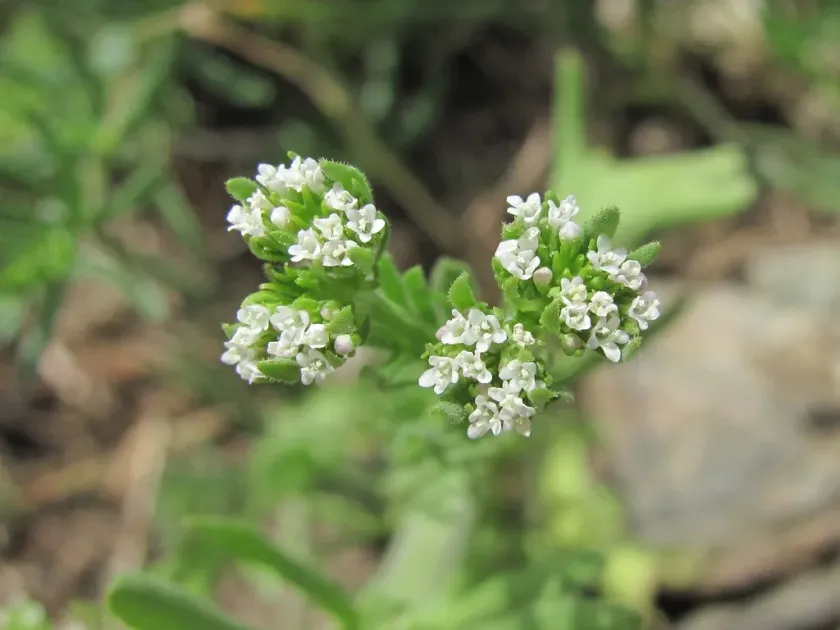
Description
Sowing dates
Valerianella uncinata is a cool-season crop, making it ideal for early spring or late autumn cultivation when temperatures are mild and conducive to leaf growth.
Seeds should be sown directly into the prepared field in rows spaced 15–20 centimeters apart, ensuring the soil is finely crumbled and moist enough for germination.
The optimal depth for sowing is shallow, typically around 1 centimeter, as deep burial can significantly reduce the percentage of successful sprout emergence.
Thinning is an essential practice that should be performed once the seedlings have established two to three true leaves, providing each plant with enough space.
For gardeners aiming for a continuous supply of greens, successive sowing every two to three weeks is recommended throughout the favourable growing season.
Growing requirements
This species belongs to the Caprifoliaceae family and thrives best in locations with full sun exposure, although it tolerates partial shade during very hot summer days.
The crop prefers well-drained, fertile soil with a neutral pH level, which helps prevent the development of physiological disorders in the leaf tissue.
Consistent moisture management is critical; while the plant requires regular watering, stagnant water should be strictly avoided to prevent root damage.
Soil structure should be maintained through light cultivation, which ensures proper aeration and prevents the formation of hard crusts after irrigation or rain.
The plant is highly sensitive to heat; temperatures consistently above 22–25 degrees Celsius will trigger bolting, rendering the leaves bitter and unsuitable for consumption.
Main diseases and pests
Mildew and various fungal leaf spots are the most common pathological threats to the plant, especially in high-density plantings with poor air circulation.
Aphids can frequently colonize the tender young leaves, requiring immediate intervention, preferably through natural or soft-chemical control methods.
Slugs and snails are particularly problematic for this crop because they are attracted to the succulent, low-lying leaves of the young rosettes.
Root rot is often a result of over-irrigation in poorly draining soils, emphasizing the need for selecting the right site before the planting season begins.
Effective crop rotation is the best preventative measure against soil-borne pathogens, ensuring that the same area is not reused for related species for several years.
Harvesting
The harvest period typically begins 60 to 70 days after sowing, depending on the climatic conditions and the specific variety's growth rate.
It is important to harvest the plants just before they show any signs of sending up a flowering stalk, which marks the transition to the reproductive phase.
The harvest is usually done by cutting the entire rosette at the root crown, or by selectively harvesting outer leaves to encourage the center to continue growing.
Early morning is the preferred time for harvesting, as the leaves have the highest turgor pressure and will stay fresh for a longer duration post-harvest.
After collection, the produce should be cleaned, lightly dried, and kept in cold storage at near-zero temperatures to maintain its nutritional quality and crispness.