
Valerianella szovitsiana
Valerianella szovitsiana
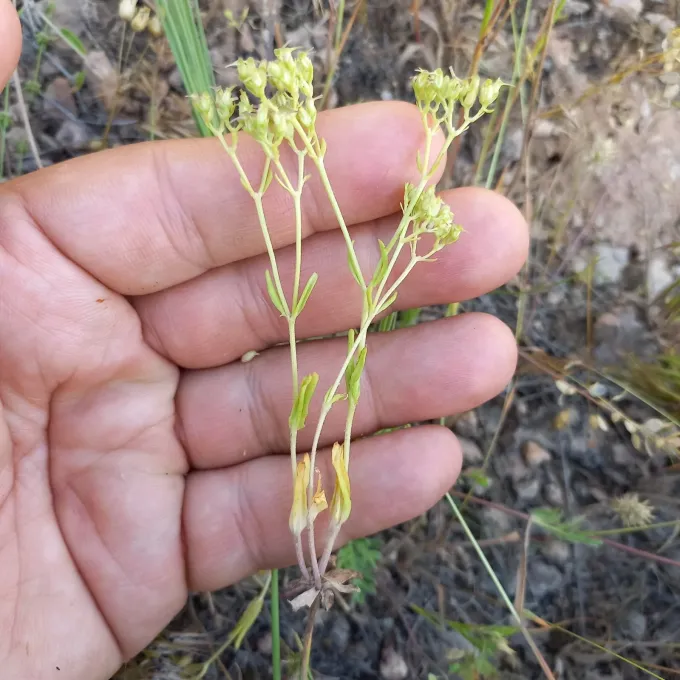
Description
Sowing dates
Valerianella szovitsiana is an annual herbaceous plant belonging to the Caprifoliaceae family. It is closely related to the well-known corn salad (lamb's lettuce) and is cultivated primarily for its tender, vitamin-rich leaves that serve as a nutritious addition to fresh salads.
The sowing process is typically conducted in early spring or late summer, as the plant thrives in cooler temperatures. Seeds are sown directly into the soil in rows, with proper spacing to allow each rosette of leaves to develop fully without overcrowding.
Because the seeds are extremely small, they should be covered with only a thin layer of soil or fine compost. Maintaining consistent surface moisture is crucial during the germination phase, as dry conditions will significantly reduce the emergence of seedlings.
In greenhouse settings, succession planting is possible to ensure a continuous supply of fresh greens throughout the cooler months. Growers often use precision seeders to optimize plant density and reduce the manual labor associated with thinning the crops.
Early-stage growth requires careful attention to weed management, as small seedlings are easily outcompeted by aggressive weeds. Utilizing organic mulch or fabric covers can provide a better start for the plants during early development.
Growing requirements
Valerianella szovitsiana prefers fertile, well-draining soils with a neutral or slightly acidic pH balance. Heavy, clay-rich soils that are prone to crusting should be amended with organic matter to improve soil structure and facilitate root penetration.
The crop is sensitive to extreme heat and prolonged exposure to direct midday sun, which triggers rapid bolting. Optimal growth is achieved in moderate temperature ranges, making spring and autumn the most productive seasons for this species.
Water requirements are consistently high throughout the vegetative phase. Drip irrigation systems are highly recommended to provide uniform moisture levels directly to the root zone while keeping the leaves dry to prevent moisture-related fungal diseases.
Proper nutrient management is essential for developing succulent, high-quality leaves. While the plant responds well to organic compost, excessive nitrogen fertilization should be avoided to prevent nitrate accumulation and potential leaf tissue softening.
Adequate spacing and air circulation are vital to prevent the development of diseases in the dense leaf rosettes. Providing enough space between rows helps maintain a healthy microclimate and ensures that the plants receive sufficient light for robust growth.
Main diseases and pests
The primary threats to Valerianella szovitsiana include various fungal pathogens such as powdery mildew and downy mildew, which flourish in stagnant, humid environments. Maintaining good airflow is the most effective preventative measure against these diseases.
Pests like aphids and flea beetles can cause significant damage to young leaves, often resulting in deformed growth or reduced yields. Regular scouting of the fields is essential to detect early infestations and intervene with minimal chemical exposure.
Crop rotation is a fundamental practice to break the life cycles of soil-borne diseases and pests. Planting this species in the same location year after year significantly increases the risk of pathogen buildup in the soil.
Weed control is also a critical component of pest management, as many weeds act as alternative hosts for viral diseases that can affect the greens. Keeping surrounding areas clean helps reduce the overall pressure from pests and diseases.
Biological control agents and judicious use of approved horticultural oils or soaps are preferred for managing pest outbreaks. Always follow label instructions and observe the required pre-harvest intervals to ensure consumer safety and product quality.
Harvesting
The harvest period for Valerianella szovitsiana begins as soon as the basal rosettes reach a marketable size. Ideally, the plants are harvested before the initiation of flower stalks to ensure the highest quality of tender leaves.
Manual harvesting is the most common method, involving cutting the plant at the root base or just below the soil surface. This preserves the integrity of the leaf rosette and keeps the greens clean and ready for immediate processing or packaging.
Post-harvest handling is critical, as the tender leaves have a short shelf life and are prone to wilting. Keeping the product in a cool, shaded environment and utilizing proper ventilation during transport is necessary to maintain freshness.
If handled correctly, the leaves can be stored for several days under refrigeration. It is important to remove any damaged or yellowing leaves before packaging to ensure uniformity and prevent the spread of decay within the container.
Sequential harvesting allows growers to manage the crop maturity effectively and supply the market consistently. By monitoring the development stage, growers can pick the product at its peak nutritional and sensory value.