
Narrow-fruited corn salad
Valerianella sclerocarpa
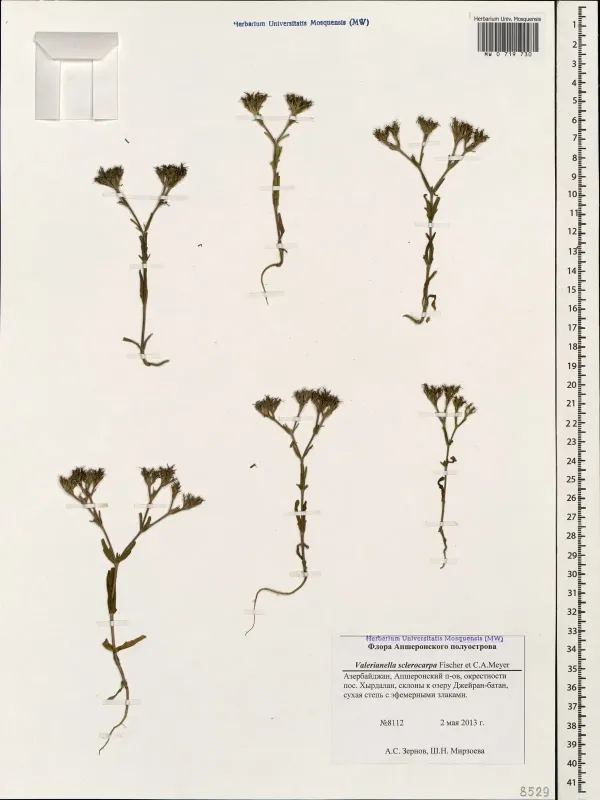
Description
Sowing dates
Narrow-fruited corn salad is a cold-hardy crop that is best sown in early spring, once the soil temperature consistently reaches 5–8 degrees Celsius to ensure steady germination.
For a continuous harvest throughout the season, growers often use a succession planting method, sowing seeds every two to three weeks until the onset of intense summer heat.
Autumn sowing is also highly effective, as the plants can establish themselves in late summer and provide a steady supply of greens right up until the first hard frosts of winter.
Seeds should be planted in rows spaced approximately 15–20 centimeters apart, at a shallow depth of about 1 to 1.5 centimeters, which is ideal for this small-seeded species.
Consistent moisture is essential immediately after sowing, as the seeds require uniform soil dampness to break dormancy and emerge efficiently across the entire field.
Growing requirements
The crop thrives in well-drained, fertile soils, preferring sandy loam or loamy types that provide excellent aeration while maintaining enough moisture for rapid leaf development.
Neutral soil pH is ideal, as it facilitates the optimal uptake of essential nutrients, leading to robust growth and high-quality foliage suitable for the fresh market.
Temperatures between 12 and 18 degrees Celsius are considered optimal for vegetative growth, making this species perfect for cooler climates or early-season agricultural cycles.
Regular irrigation is vital during the growing period, as drought stress will trigger premature bolting, causing the plant to prioritize flower production over leaf development.
While the plant prefers sunny sites, it is remarkably adaptable and can tolerate partial shade, which allows farmers to integrate it into complex planting schemes effectively.
Yield
With proper management and intensive cultivation practices, yields for this crop typically range from 1.5 to 2.5 kilograms per square meter per harvest cycle.
The rapid maturity cycle allows for a quick turnover, with the first harvest ready approximately 45 to 60 days after emergence, depending on specific environmental conditions.
Organic soil amendments applied before planting significantly boost the overall biomass production and enhance the nutritional profile of the harvested leafy greens.
Maintaining an optimal plant density is key to maximizing yields, as it balances individual plant size with the total output per unit area of the field.
Routine cultivation between rows helps keep weed pressure low and improves soil structure, which directly correlates to healthier, heavier leaf rosettes at harvest time.
Main diseases and pests
Fungal diseases, particularly downy mildew, represent the most significant threat to this crop, especially in humid or poorly ventilated conditions where moisture lingers on the leaves.
Common pests such as aphids and slugs can damage tender leaf tissue, necessitating vigilant monitoring and proactive management to prevent significant yield losses.
Implementing a strict crop rotation cycle is essential to break the life cycles of soil-borne pathogens and maintain a healthy growing environment for future seasons.
Due to the short growing period, the use of chemical pesticides is strictly limited, forcing a focus on biological control agents and sustainable agricultural practices.
Keeping the field clean of debris and weeds reduces the availability of secondary hosts for pests and improves overall field hygiene, which is critical for disease suppression.
Harvesting
Harvesting is typically performed by cutting the entire rosette at the base when it reaches the desired size, ensuring the leaves remain intact and undamaged for the market.
Early morning harvests are recommended to maximize leaf turgidity and quality, as plants contain the highest water content before the heat of the day sets in.
Post-harvest handling is critical, requiring immediate cooling and protection from dehydration to maintain shelf life and prevent the leaves from wilting rapidly.
Storage at 0 to 2 degrees Celsius with high relative humidity is necessary to keep the product fresh for several days, provided it is protected from direct cold air drafts.
Timely harvest is paramount to avoid the transition into the reproductive stage, as the development of flower stalks leads to the production of bitter compounds in the leaves.