
Narrow-fruited corn-salad
Valerianella rimosa
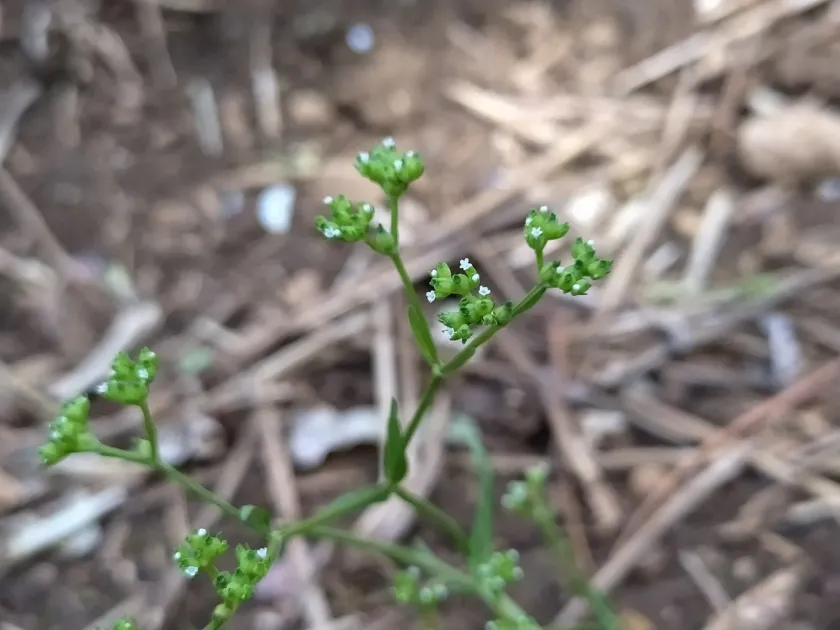
Description
Sowing dates
The narrow-fruited corn-salad, similar to its close relatives, prefers sowing during autumn or early spring. In temperate climates, early spring, when the soil warms up to 5-8 degrees Celsius, is considered the optimal time for planting.
Seeds are sown at a depth of no more than 1-1.5 cm, as they are very small. It is essential to ensure close contact between the seeds and moist soil to guarantee uniform germination in field conditions.
When cultivating the crop in greenhouses, sowing dates can be shifted to late winter to obtain early vitamin-rich produce. The row spacing should be between 15 and 20 centimeters to ensure proper air circulation.
The crop belongs to the Caprifoliaceae family and is an annual herbaceous plant. Its biological cycles are closely linked to cool weather, so delaying sowing until the onset of heat is highly discouraged.
Intensive development of the corn-salad root system occurs during the short-day period. This is why early sowing dates are a key factor in obtaining succulent and tender foliage.
Growing requirements
For successful growth, corn-salad requires well-drained, fertile loamy or sandy-loam soils with a neutral pH. It does not tolerate waterlogging, which triggers the development of root rots.
The plant is photophilous, yet long exposure to direct sunlight at high temperatures causes it to quickly enter the flowering phase. This negatively impacts the commercial quality of the harvest.
Climate requirements include moderate air temperatures within 15-20 degrees Celsius. The crop has sufficient cold resistance, allowing it to withstand brief frosts without significant tissue damage.
Providing uniform soil moisture is critical during the seed germination stage and the formation of the first true leaves. Water deficiency leads to premature bolting of the plant.
Organic fertilizers are best applied to the preceding crop, as corn-salad is sensitive to excess fresh fertilizers. Maintaining an optimal nitrogen level is important for active foliage growth.
Yield
The yield of this crop depends directly on planting density and adherence to irrigation schedules during the growing season. Under favorable conditions, one square meter can produce 1.5 to 2.5 kilograms of marketable produce.
The bulk of the harvest consists of tender leaf rosettes, which have a distinctive nutty flavor. Early maturation allows for harvesting within 60-80 days from the appearance of mass seedlings.
Light intensity and soil quality determine not only the plant mass but also the concentration of biologically active substances in the leaves. Plants grown with sufficient feeding area show better marketable yield results.
Regular cultivation of rows promotes better root system growth, which indirectly affects the total volume of the harvested crop. Dense plantings require thinning to prevent competition for nutrients.
The varietal characteristics of Valerianella rimosa allow for stable yields even in conditions where other salad greens lose their flavor. The crop is a promising candidate for specialized small-scale farms.
Main diseases and pests
Major threats to the crop are associated with fungal diseases, such as powdery mildew and various types of leaf spots. Pathogen development is often triggered by high humidity and poor ventilation within the planting beds.
Pests, such as slugs and snails, can cause significant damage to young plants during a damp spring. Timely preventive field inspections must be conducted to prevent mass infestation.
Aphids can also colonize the undersides of leaves, sucking out sap and stunting plant growth. Biological control methods and the use of approved insecticides allow for effective population management.
Root rots are a serious problem in waterlogged soil. Following crop rotation rules and preventing soil compaction in the top layer helps minimize the risks of soil-borne infections.
- Powdery mildew (Erysiphaceae)
- Slugs and snails (Gastropoda)
- Aphids (Aphididae)
- Root rots (Pythium)
Harvesting
The harvesting of corn-salad is carried out by cutting the entire leaf rosette once it reaches the required commercial size. The best time for harvesting is early morning when the leaves are most saturated with moisture.
Avoiding soil contamination on the leaves during cutting is necessary, as this significantly complicates the preparation of the product for market. Tools should be sharp and clean to avoid damaging the base of the rosette.
Immediately after cutting, the produce should be placed in a cool area or refrigerated storage to maintain turgor and freshness. Corn-salad has a relatively short shelf life, so it requires efficient logistics.
Removing damaged or yellowed leaves during the harvesting stage improves the commercial appearance of the batch and reduces the risk of spoilage during transport. The optimal storage temperature is 0-2 degrees Celsius.
An important aspect is to avoid harvesting during the flowering period, as the onset of flower stalk formation causes the flavor of the leaves to degrade rapidly due to bitterness. Timeliness is the key to success in producing this crop.