
Valerianella radiata
Valerianella radiata
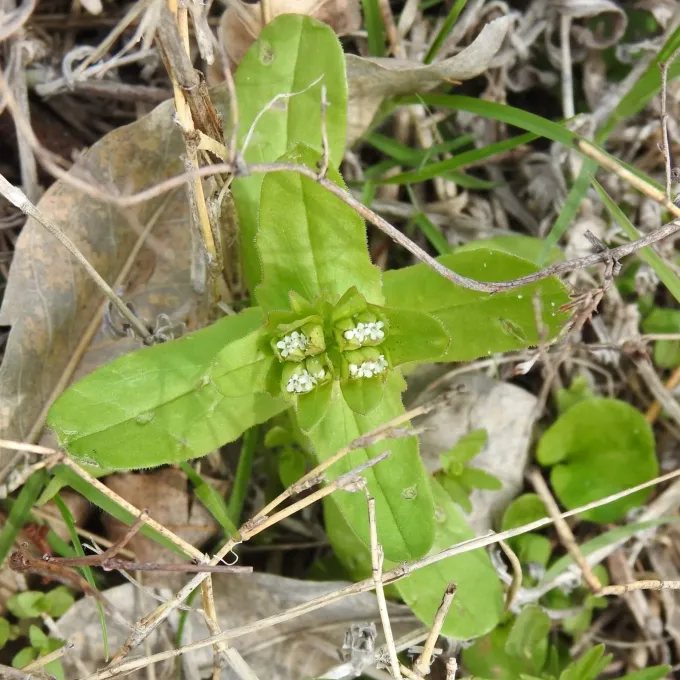
Description
Sowing dates
Valerianella radiata, a member of the Caprifoliaceae family, is a fast-growing annual herb suitable for temperate regions. Sowing in open fields should commence in early spring as soon as the soil temperatures reach approximately 5-8 degrees Celsius.
To ensure a continuous supply of fresh greens, it is common practice to perform successive sowings every two to three weeks. The plant is cold-hardy, making it an excellent candidate for late-autumn sowing or winter cropping in warmer climates.
Seeds should be planted at a shallow depth of 1 to 1.5 centimeters. Proper seed-to-soil contact is essential for uniform germination, and the soil should be kept consistently moist during the critical first ten to fourteen days after sowing.
A row spacing of 15–20 centimeters is recommended to facilitate optimal plant development and ease of cultivation. Seed density should be monitored to prevent overcrowding, which can lead to elongated, weak plants susceptible to fungal infections.
Using row covers or floating mulches can significantly enhance germination speed and protect young seedlings from early season pests or fluctuating weather conditions. Proper moisture management is the key factor during this initial establishment phase.
Growing requirements
Valerianella radiata thrives in sunny to partially shaded locations. While it is adaptable to various environments, maintaining adequate soil moisture is paramount for producing tender, succulent leaves with the desired flavor profile.
The ideal soil for this crop is a well-draining, fertile loam or sandy loam with a neutral to slightly acidic pH. Incorporating organic matter, such as high-quality compost, significantly boosts plant vigor and leaf quality.
Temperature management is crucial as this plant prefers cooler weather. Once temperatures exceed 25 degrees Celsius, the crop tends to bolt, shifting energy from leaf production to flower stalk development, which renders the greens bitter and tough.
Moderate fertilization with balanced nutrients is recommended; however, growers should avoid excessive nitrogen application. High nitrogen levels can result in nitrate accumulation in the foliage and may lead to overly rapid growth at the expense of shelf-life.
Consistent aeration and good soil structure prevent root suffocation. In greenhouse settings, adequate ventilation is essential to maintain the optimal relative humidity, preventing leaf diseases and physiological stress on the developing rosettes.
Main diseases and pests
Powdery mildew is the most common threat, particularly in environments with poor air circulation and high humidity levels. Preventive measures include maintaining appropriate plant spacing and avoiding overhead irrigation late in the day.
Root rot pathogens may affect plants grown in poorly drained soils. Practicing a rigorous crop rotation schedule helps reduce the population of soil-borne pathogens and ensures the long-term health of the growing site.
Aphids can be problematic during warmer intervals, colonizing the tender undersides of the leaves. Monitoring programs and the use of integrated pest management strategies are essential for maintaining a high-quality, market-ready product.
Slugs and snails often pose a challenge in damp, shady areas of the garden. Implementing mechanical barriers or using organic baits can help protect the crop from significant cosmetic or structural damage during its peak growing period.
Various leaf spot diseases may appear if the foliage stays wet for extended periods. Keeping the leaf surface as dry as possible and removing any infected debris from the field are standard agronomic practices to minimize these risks.
Harvesting
The harvest phase typically begins 45 to 60 days post-seeding, depending on the environmental conditions. Plants are harvested by cutting the entire rosette just above the root zone, ensuring the delicate leaves remain intact for packaging.
Harvesting is best performed during the cool hours of the early morning to ensure maximum turgor pressure within the leaves. This practice significantly enhances the quality and freshness of the greens prior to cold storage.
Immediate post-harvest cooling is vital to maintain the crisp texture of Valerianella radiata. The greens are highly perishable, and keeping them at a constant temperature of 2–4 degrees Celsius is necessary for optimal quality preservation.
Storage in perforated bags allows for proper gas exchange while preventing excessive dehydration of the leaves. This method ensures that the product retains its appealing appearance and nutritional value during transport and display.
Recognized for its mild, nutty flavor, this crop is a high-demand item for culinary professionals. Its versatility makes it an excellent base for gourmet salads and a sophisticated garnish for a wide variety of restaurant dishes.