
Valerianella pumila
Valerianella pumila
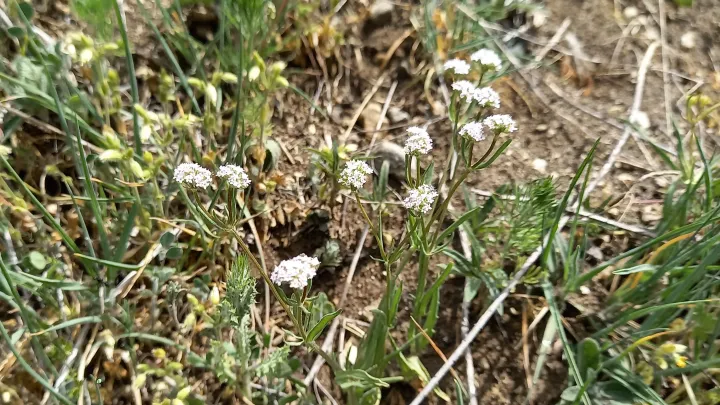
Description
Sowing dates
Valerianella pumila is a cool-season crop, so sowing is best performed in early spring as soon as the soil reaches a temperature of 5 to 8 degrees Celsius.
Autumn sowing is also a viable option, allowing for an early harvest of fresh vitamin-rich greens immediately after the snow melts in the spring.
Seeds should be sown in rows with a spacing of 15–20 centimeters, at a shallow depth of no more than 1 centimeter to ensure proper germination.
Successional sowing every two to three weeks throughout the spring season is recommended to maintain a continuous supply of harvestable leaves.
The plant demonstrates high germination energy, with seedlings typically emerging within 10 to 14 days under optimal soil moisture conditions.
Growing requirements
The crop thrives in sunny locations but also tolerates light shade, making it a suitable choice for intercropping with larger vegetable plants.
While not overly demanding regarding soil type, it performs best in loose, well-drained loamy soils with a neutral pH balance.
The ideal temperature for active growth ranges between 15 and 20 degrees Celsius, as extreme heat can trigger premature bolting and flowering.
Valerianella pumila is remarkably cold-hardy, allowing it to withstand sudden spring frosts without sustaining damage to its delicate foliage.
Regular irrigation is essential, as drought stress negatively impacts leaf texture, often leading to a tougher consistency and an unpleasant bitter taste.
Main diseases and pests
Flea beetles pose the most significant threat to young seedlings, potentially damaging the leaf surface during the early stages of plant development.
In conditions of high humidity and poor air circulation, the crop may become susceptible to powdery mildew, characterized by a white fungal coating.
The root system is sensitive to waterlogging, which often increases the risk of root rot pathogens in poorly drained or overly wet soil environments.
Slugs and snails can cause considerable damage in damp, rainy weather by feeding on the fresh leaf rosettes during the nighttime hours.
Effective management strategies include crop rotation, consistent weed control, and providing adequate spacing to ensure proper airflow between plants.
Harvesting
Harvesting typically commences 40 to 60 days post-emergence, once the leaf rosettes have achieved a sufficient size and maintain their characteristic succulence.
The plants are usually harvested by cutting the entire rosette at the base, or by selectively picking the outer leaves to allow for continued central growth.
Harvesting is best carried out in the early morning hours when leaves are most turgid, ensuring maximum crispness and freshness for the consumer.
Harvested greens have a relatively short shelf life and are best consumed or brought to market within 24 hours of being cut from the field.
For short-term storage, the harvested rosettes should be placed in refrigerated units kept at near-zero temperatures with high relative humidity levels.