
Eastern corn salad
Valerianella orientalis
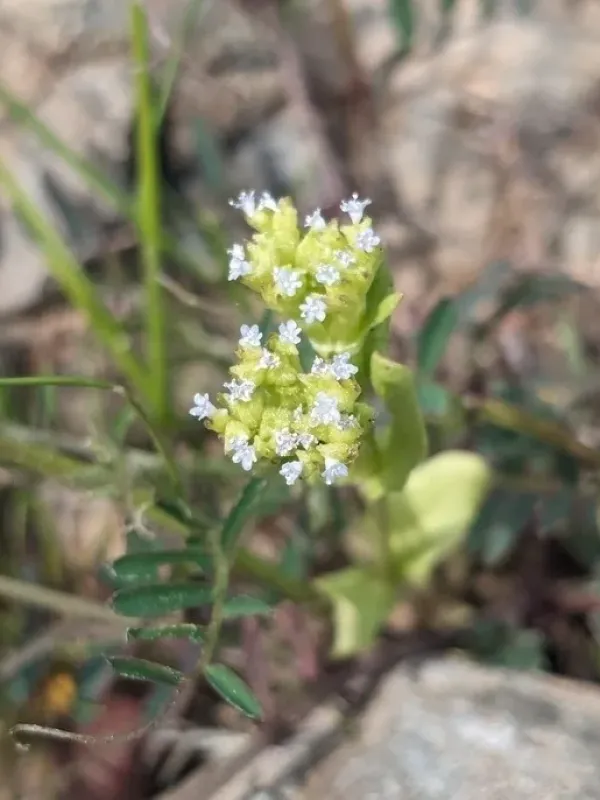
Description
Sowing dates
Eastern corn salad (Valerianella orientalis) is a hardy annual plant belonging to the Caprifoliaceae family. It is increasingly recognized in agriculture as a valuable cool-season salad green, prized for its delicate texture and nutty flavor.
The optimal sowing time is early spring or late summer. As a cool-weather crop, it grows best when temperatures are moderate, avoiding the long days of midsummer which trigger premature bolting and flowering.
Seeds are sown in prepared soil at a depth of 1–1.5 cm. Row planting with a spacing of 15–20 cm is recommended to ensure adequate air circulation and to facilitate mechanical weeding between the rows.
The crop demonstrates excellent tolerance to light frosts, making it suitable for early spring production or even overwintering in milder regions. Optimal germination occurs at temperatures between 10 and 15 degrees Celsius.
For a continuous supply of fresh greens, successional sowing is practiced every few weeks. This approach allows growers to manage peak demand and ensure a consistent quality of harvest throughout the season.
Growing requirements
Eastern corn salad thrives in loose, well-drained soils rich in organic matter. Soil compaction or heavy clay can restrict root growth and prevent the formation of the compact, high-quality leaf rosettes needed for market.
Consistent soil moisture is essential for the crop's development. Drought stress causes the leaves to toughen rapidly and can introduce a bitter taste, significantly reducing the market value of the harvest.
While the plant enjoys light, it performs best with partial shade during the hottest parts of the day in summer. Excessive heat will force the plant to bolt, making the foliage unpalatable.
Moderate fertilization is recommended. Over-application of nitrogen should be avoided to prevent nitrate accumulation in the leaves. Using well-composted organic matter is the preferred method for long-term soil fertility.
Maintaining a stable temperature range between 12 and 18 degrees Celsius promotes slow, steady growth, resulting in tender and flavorful greens that are highly sought after by culinary professionals.
Main diseases and pests
Powdery mildew represents a significant threat to Eastern corn salad, especially in humid conditions or where plants are too densely packed. Adequate spacing and proper field sanitation are the primary preventive measures.
Root rot diseases are common in waterlogged soils. Ensuring excellent drainage and avoiding over-irrigation are critical for maintaining healthy, productive stands of this salad green throughout the growing cycle.
Slugs and snails can cause substantial damage to young, tender leaves. Growers often use physical barriers or organic baiting methods to protect the crops from these common garden pests.
Aphids may occasionally infest the plants, sucking sap and causing leaf distortion. Monitoring is vital, as early detection allows for the use of biological control agents or targeted, low-toxicity interventions.
Leaf miners can create unsightly tunnels in the foliage, rendering the harvest unmarketable. Regular inspection and the removal of affected leaves help in keeping the overall population of pests in check.
Harvesting
Harvesting typically occurs 45 to 60 days after sowing, depending on the growing conditions. The crop is ready when the leaf rosettes reach their desired size but before any signs of bolting emerge.
The rosettes are harvested by cutting the entire plant at the base, often including a small part of the root system to keep the cluster intact. This helps in preserving the shelf life of the harvest.
Harvesting is best performed in the early morning hours when the leaves have high turgidity. This ensures that the product remains fresh and crisp for a longer period after it is removed from the field.
Immediate cooling after harvest is critical, as the delicate leaves lose moisture quickly. Proper cold-chain management is essential to deliver a high-quality product to the end consumer.
The harvested product is stored at near-zero temperatures with high humidity. When handled correctly, Eastern corn salad can maintain its quality for up to a week, making it a reliable choice for local markets.