
Valerianella obtusiloba
Valerianella obtusiloba
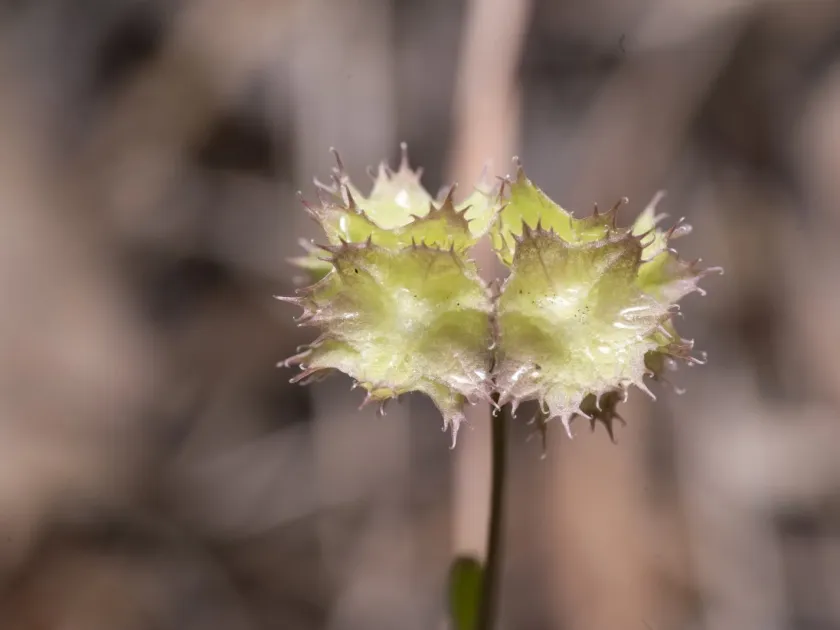
Description
Sowing dates
Valerianella obtusiloba is a fast-growing, cold-hardy crop that is best sown in early spring or late autumn for winter harvest. Seeds germinate at soil temperatures between +5 and +8 degrees Celsius, making it an excellent candidate for the first harvest of the new season.
Proper soil moisture during the spring sowing is critical, as dry topsoil can significantly delay seedling emergence. Seeds should be planted at a shallow depth of 1–1.5 centimeters, which ensures uniform germination within a period of 10 to 14 days.
Summer sowings are generally less productive, as the plant tends to bolt rapidly under long daylight hours and high temperatures. Staggered sowing with 2–3 week intervals is highly recommended to maintain a steady supply of fresh leaves throughout the growing season.
The spacing between plants must allow for adequate airflow to ensure high-quality rosettes. A standard spacing of 15–20 centimeters between rows and 5–10 centimeters between plants within the row is optimal for balanced plant development.
Sowing before the onset of winter frost is a common practice that allows the seeds to remain dormant until early spring. This technique often results in a significantly earlier harvest compared to traditional spring planting dates.
Growing requirements
This crop thrives in fertile, well-draining, and moisture-retentive soils with a neutral or slightly acidic pH level. It performs best following heavy-feeding vegetable crops, such as cucumbers or tomatoes, which were grown with organic soil amendments.
Valerianella obtusiloba is highly sensitive to moisture stress throughout its growth cycle. Insufficient watering leads to toughened leaf texture, poor flavor development, and premature bolting, all of which decrease the marketability of the crop.
The ideal temperature range for rosette development is between +12 and +18 degrees Celsius. The crop exhibits excellent frost tolerance, capable of withstanding temperatures as low as -5 to -7 degrees, which makes it suitable for cool-climate cultivation.
While the plant prefers sunny locations, moderate shading during peak heat hours helps maintain leaf tenderness. Excessive light intensity combined with high temperatures accelerates the reproductive phase, leading to the formation of flowering stems.
Nitrogen fertilization at the initial growth stage promotes vigorous leaf production. However, it is essential to avoid excessive fertilizer use to prevent nitrate accumulation in the leaves, especially when growing the crop in protected environments.
Yield
The yield of Valerianella obtusiloba depends heavily on agronomic management and seasonal weather conditions. On average, a well-managed garden bed can produce between 1.5 and 2.5 kilograms of high-quality leafy greens per square meter.
Total yield is influenced by sowing density and irrigation consistency. Overcrowding may increase total biomass but often results in smaller, lower-quality rosettes that are difficult to harvest and prepare for market distribution.
Maximum productivity is achieved in protected culture or under low tunnels in spring. These systems shield the delicate leaves from physical damage caused by wind and precipitation, ensuring a pristine appearance and higher market value.
Varietal selection plays a significant role in determining output; modern cultivars are often bred for larger rosette sizes and delayed bolting characteristics. Choosing the right cultivar is a key step in extending the harvest window.
Timely harvesting is essential to protect yield potential. Waiting even a few days beyond the optimal maturity date in warm weather can lead to a significant decline in leaf quality as the plant transitions into the flowering phase.
Main diseases and pests
Fungal diseases are the primary threats, particularly in high-humidity environments with limited airflow. Powdery mildew is the most common issue, appearing as a white fungal growth on the leaves, which can quickly ruin the quality of the crop.
Root rot may occur in poorly drained soils or during periods of excessive rainfall. Preventing these diseases requires strict adherence to crop rotation practices and avoiding over-irrigation during damp, cloudy weather conditions.
Cruciferous flea beetles represent the most significant pest risk, as they can decimate young seedlings in a very short timeframe. Using floating row covers is an effective, chemical-free method to protect the young crop from beetle damage.
Slugs and snails often feed on the leaves during wet seasons, leaving holes that impact crop appearance. Maintaining clean rows and removing weeds around the perimeter significantly reduces the habitat available for these pests.
Aphids may infest the undersides of leaves, sucking sap and weakening the plants. If an infestation occurs, biological control methods or environmentally friendly soaps are recommended to manage the pest population without contaminating the edible harvest.
Harvesting
Harvesting usually begins 45–60 days after emergence, depending on the cultivar and local climate conditions. The ideal time to harvest is when the rosette has reached full size but has not yet begun to form a central flower stalk.
The process involves cutting the entire rosette at the root base using a sharp knife. Extreme care must be taken to prevent soil contamination during the process, as cleaning dirt from the delicate, fragile leaves is challenging and labor-intensive.
Harvesting is best conducted in the early morning, after the dew has evaporated but before the heat of the day. Harvesting under cool conditions preserves turgor and significantly improves the shelf life of the product after harvest.
Immediate cooling is crucial to stop plant respiration and prevent wilting. When stored in a refrigerator at approximately 0–2 degrees Celsius, the greens can maintain their freshness for up to one week.
Transport and retail packaging should use perforated containers or bags to allow for necessary gas exchange. Preventing excessive humidity inside the packaging is vital, as moisture trapped against the leaves leads to rapid spoilage and rot.