
Valerianella muricata
Valerianella muricata
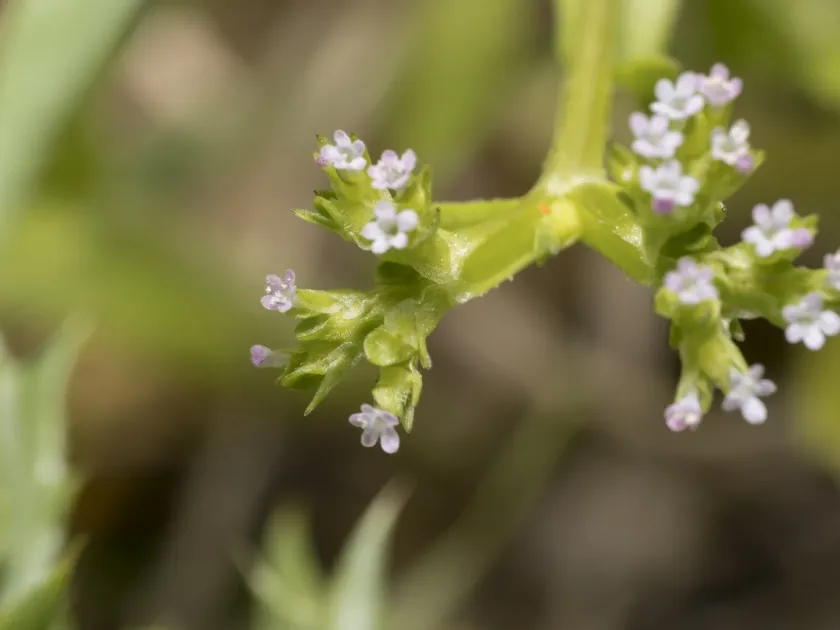
Description
Sowing dates
Valerianella muricata, a member of the Caprifoliaceae family, is a cool-season leafy vegetable. Sowing is typically carried out in early spring as soon as the soil warms up to at least 5-8 degrees Celsius to ensure steady germination.
To ensure a continuous supply of fresh greens, farmers practice staggered sowing every few weeks. Seeds are sown in rows spaced 15-20 centimeters apart at a shallow depth of 1-1.5 centimeters, which is ideal for this crop.
Winter sowing is also common in temperate climates, allowing for an early harvest the following spring. It is crucial to maintain soil moisture after sowing to achieve a uniform and healthy plant density across the field.
In regions with hot summers, late-summer sowing is preferred to avoid the long-day conditions that trigger early bolting. This technique helps produce high-quality leaves during the milder autumn months.
Using high-quality seeds with good vigor is essential for commercial production. Since the crop is sensitive to initial growth stages, early weed control after emergence is necessary to prevent competition for nutrients.
Growing requirements
This crop thrives in fertile, well-drained loamy soils. It prefers a neutral to slightly acidic pH, and the soil should be rich in organic matter to support the rapid development of the rosette leaves.
Optimal growth occurs at cool temperatures between 12 and 18 degrees Celsius. High temperatures and intense sunlight can lead to premature flower stalk development, which negatively impacts the yield and quality of the greens.
Consistent moisture is key; the soil should be kept uniformly moist but not waterlogged. Proper irrigation management prevents the leaves from becoming tough and bitter during the heat of the season.
While the plants prefer full sun, light shade during the peak of the day is beneficial in warmer areas to maintain tenderness. Excessive shade, however, should be avoided as it leads to weak, etiolated growth.
Cultivation practices involve regular hoeing between rows to improve soil aeration. Maintaining a weed-free environment is vital, as the crop lacks the height to compete with fast-growing invasive weeds.
Main diseases and pests
Crucifer flea beetles are the primary pests that damage seedlings, particularly in the spring. Using floating row covers during the initial growth phase is an effective way to protect the crop from these insects.
Powdery mildew can become an issue in areas with high humidity and poor air circulation. Proper plant spacing and selecting well-ventilated fields are the most effective preventative measures against fungal diseases.
Slugs and snails can cause significant damage to the delicate leaves during wet weather. Integrated pest management strategies, such as using traps or physical barriers, are often employed to mitigate their impact.
Root rot diseases are typically associated with poor soil drainage and waterlogging. Practicing crop rotation is essential, and it is recommended to leave a gap of at least two years before planting this crop in the same soil.
Aphid infestations may occur in dense plantings, requiring close monitoring. If necessary, horticultural soaps or other biological control agents can be applied, provided they are cleared for use on leafy vegetables.
Harvesting
The harvest typically begins 40-60 days after emergence, once a full, rosette-shaped plant has formed. It is critical to harvest before the central stem elongates, as bolting ruins the texture and flavor of the leaves.
Harvesting is done by cutting the entire rosette at the root base or by selecting individual leaves for multiple pickings. Harvesting in the early morning ensures the leaves remain crisp and turgid for longer.
Once harvested, the product should be cooled quickly to preserve its shelf life. Mechanical damage must be minimized during harvesting and packaging to prevent the leaves from wilting or decaying prematurely.
For storage, the greens should be kept in perforated packaging at temperatures between 0-2 degrees Celsius. This maintains the crispness and quality of the salad for several days in a commercial supply chain.
Valerianella muricata is highly valued for its nutty flavor and is commonly used in fresh salads. Its ability to provide early-season nutrients makes it a staple for market gardeners looking to diversify their produce.