
Valerianella microcarpa
Valerianella microcarpa
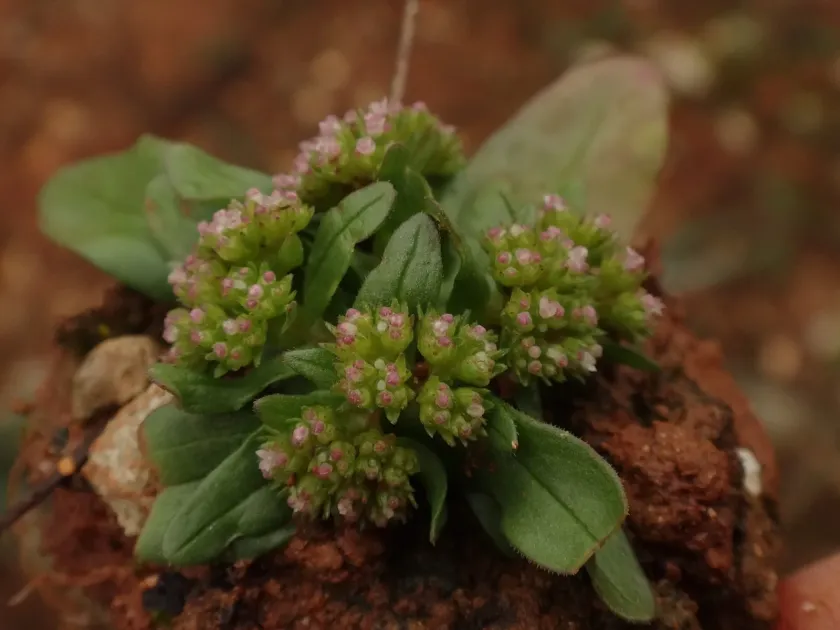
Description
Sowing dates
Valerianella microcarpa, a member of the Caprifoliaceae family, is a specialty green crop. Sowing is typically carried out in autumn for early spring harvest, taking advantage of its cold-hardy nature.
Spring planting can be performed as soon as the soil is workable. Seeds should be sown at a shallow depth of approximately 1 to 1.5 cm to ensure uniform germination across the field.
Row spacing is generally maintained at 10 to 15 cm to balance plant density with the need for proper air circulation and ease of weed management.
Successive sowings every two to three weeks are recommended to ensure a continuous supply of fresh greens throughout the optimal growing season.
In greenhouse environments, sowings can start earlier, allowing for a strategic market advantage by providing early-season produce when demand is highest.
Growing requirements
This crop thrives in well-drained, fertile soils with a neutral pH level. Proper soil structure is essential for the healthy development of its delicate root system.
As a cool-season vegetable, Valerianella microcarpa prefers temperatures between +12 and +18 degrees Celsius. Extreme heat is detrimental and often triggers premature bolting.
Light levels should be balanced; while the plant grows well in full sun, partial shade is beneficial during peak summer to maintain leaf tenderness and quality.
Consistent soil moisture is critical; both waterlogging and severe drought stress will negatively impact yields and the overall flavor profile of the harvest.
Incorporating well-rotted organic matter before planting improves soil tilth and water-holding capacity, creating an ideal environment for rapid vegetative growth.
Yield
The yield of Valerianella microcarpa varies significantly based on planting density and field conditions, typically ranging from 1 to 2 kg per square meter.
Harvesting takes place once the plants reach the desired rosette size, usually 60 to 80 days after sowing, depending on the specific environmental conditions.
Professional management including weed control and strategic fertilization can maximize yields and ensure uniform product quality throughout the harvesting period.
Market value is high due to its popularity in the gourmet green sector, where fresh, tender leaves are sought after for salad mixes and nutritional applications.
Using tunnels or cloches can further protect the crop from environmental stressors, potentially increasing total marketable yield per unit area by 25% or more.
Main diseases and pests
Common diseases affecting this crop include downy mildew and various root rots, which often thrive in poorly drained soils or conditions of high humidity.
Pests such as aphids can cause significant damage by feeding on young leaves, while slugs may become an issue in overly damp or mulched cultivation areas.
Integrated pest management, including the use of trap crops and biological controls, is preferred over chemical interventions to maintain food safety standards.
Crop rotation is an essential practice to reduce the buildup of soil-borne pathogens and ensure long-term sustainability of the production plot.
Regular field scouting is necessary to catch infestations early, allowing for targeted and effective treatment before damage becomes widespread.
Harvesting
Harvesting involves carefully cutting the entire rosette at the base, ensuring no soil is trapped in the center of the leaves, which can compromise hygiene.
Immediate post-harvest cooling is mandatory to maintain quality; the produce should be kept at +1 to +3 degrees Celsius to preserve freshness and shelf life.
Packaging should be designed to prevent bruising during transit while maintaining the necessary humidity levels to avoid wilting of the delicate foliage.
Due to its high respiration rate, the time between harvesting and reaching the final consumer must be minimized to ensure the best possible consumer experience.
Workers must follow strict sanitary protocols during the harvest process to prevent contamination and meet food safety requirements for fresh produce.