
Valerianella leiocarpa
Valerianella leiocarpa
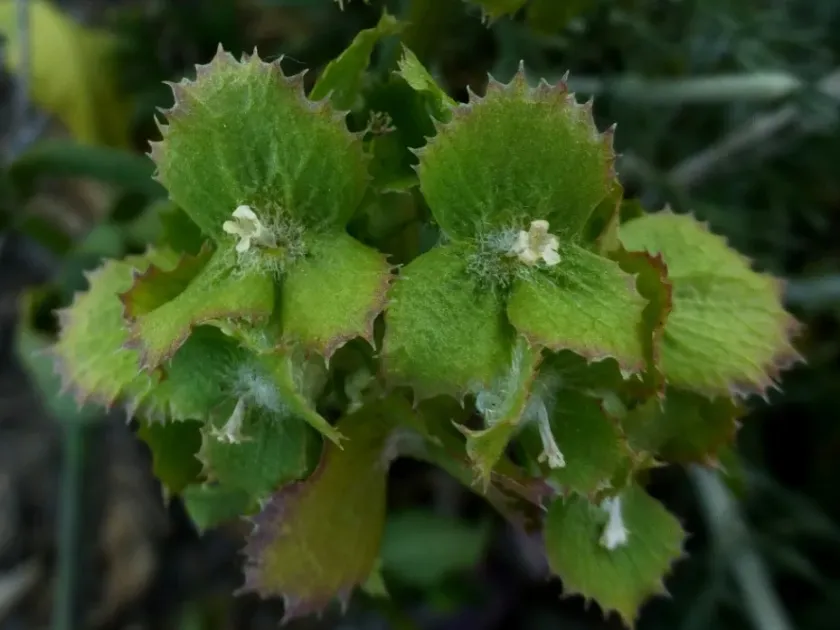
Description
Sowing dates
Valerianella leiocarpa is a cold-hardy crop, making it ideal for early spring sowing once the soil temperature consistently reaches 5 to 8 degrees Celsius.
Winter sowing is also a viable practice in milder climates, allowing for an early harvest of nutritious greens as soon as the snow melts in the spring.
Seeds should be sown in rows spaced 15 to 20 centimeters apart, covered with a fine layer of soil not exceeding 1.5 centimeters for optimal germination.
Consistent moisture is crucial during the germination phase to ensure a uniform stand, so light watering or covering the rows can prove highly beneficial.
To ensure a continuous supply of fresh harvest throughout the growing season, staggered sowing every two to three weeks is recommended for commercial growers.
Growing requirements
This crop thrives in fertile, well-draining loamy soils with a neutral pH, which provides the necessary nutrients for dense and vigorous leaf rosette formation.
While the plant prefers cool and temperate conditions, it requires adequate sunlight to develop its characteristic flavor, though shade during peak summer is beneficial.
Water management is critical; the soil must remain consistently moist but never waterlogged to prevent the development of root diseases and premature bolting.
Agrotechnical maintenance involves regular weeding and shallow cultivation between rows to improve soil aeration and remove competition from fast-growing weeds.
Fertilization should be handled carefully, focusing on balanced organic inputs to prevent nitrate accumulation, especially in the weeks approaching the harvest.
Yield
The yield of Valerianella leiocarpa typically ranges from 1.5 to 3 kilograms per square meter, depending on the density of the planting and soil fertility.
The primary edible portion consists of the compact basal rosette of leaves, which are prized for their mild, nutty flavor and high vitamin concentration.
The crop is widely used in fresh salads, gourmet dishes, and as a nutrient-dense garnish, making it highly attractive for local farmers' markets and restaurants.
Success depends on harvesting before the plant shifts its energy toward flowering, as the stem elongation reduces both the quality and volume of the harvest.
Proper post-harvest management, including immediate cooling, is essential to maximize the shelf life and maintain the market value of the gathered greens.
Main diseases and pests
Common issues include powdery mildew, especially in high-humidity environments, which can quickly degrade the quality of the leaf rosettes if not addressed.
Root rots often occur due to poor drainage or over-irrigation, emphasizing the importance of selecting well-prepared fields with excellent water management.
Pests such as flea beetles and slugs are the most frequent threats, often causing significant cosmetic damage to the delicate foliage during the early stages.
Integrated pest management strategies should be prioritized, focusing on crop rotation and mechanical barriers to minimize the need for chemical interventions.
- Monitoring for signs of pest damage on a weekly basis during active growth.
- Maintaining optimal plant density to encourage airflow around the plants.
- Removing debris and weeds that may harbor pathogens or insect pests.
Harvesting
The harvest is performed by cutting the entire rosette at the base when the leaves reach a desirable size, usually around 45 to 60 days after initial sowing.
Early morning harvest is preferred because the leaves have optimal turgor pressure, ensuring they stay crisp and vibrant for a longer duration after processing.
Care must be taken to remove any damaged or yellowing leaves to maintain the premium quality required for market distribution and high-end culinary use.
Post-harvest handling involves gentle cleaning and rapid cooling to remove field heat, which is essential for preserving the freshness of the leafy product.
Storage should be conducted at near-zero temperatures in ventilated containers to prevent wilting and to keep the produce fresh until it reaches the consumer.