
Valerianella lasiocarpa
Valerianella lasiocarpa
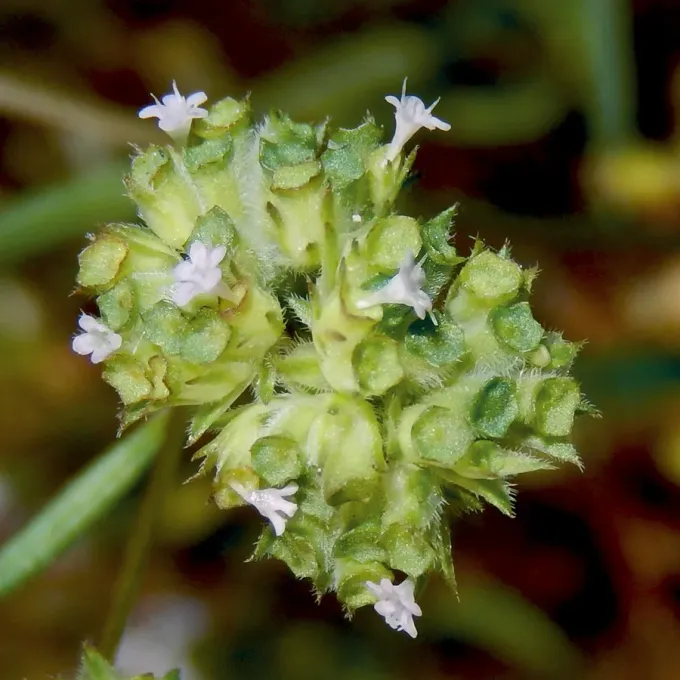
Description
Sowing dates
Valerianella lasiocarpa is a cold-tolerant crop belonging to the Caprifoliaceae family, typically sown in early spring or late summer for an autumn harvest. The optimal sowing time occurs when soil temperatures stabilize between 5 and 10 degrees Celsius.
To ensure a continuous supply, seeds are sown at 14–20 day intervals. It is crucial to maintain a sowing depth of approximately 0.5–1 centimeter, as the small seeds are sensitive to deep burial in the substrate.
The sowing pattern usually involves row planting with spacing of 15–20 centimeters between rows. This planting density provides optimal air circulation, which is critical for preventing fungal diseases in high-humidity conditions.
Seedlings typically emerge 10–14 days after sowing. During this phase, it is vital to maintain consistent soil moisture, avoiding both drought and waterlogging, which could lead to seedling rot.
When grown in protected ground or greenhouses, sowing times can be shifted to winter months, although the crop requires additional lighting to form a high-quality leaf rosette.
Growing requirements
This crop prefers fertile, loose, and well-drained soils with a neutral or slightly acidic pH. Heavy clay soils are unsuitable as they retain too much moisture and promote root rot.
Valerianella lasiocarpa is a long-day plant, yet in its initial development stage, it performs better in moderate temperatures. Intense heat and direct sunlight promote premature bolting and reduce leaf quality.
Irrigation should be regular but measured. Drip irrigation is the preferred method, as it keeps the root zone optimally moist without damaging the fragile leaves.
The plant responds well to organic fertilizers, although fresh manure is not recommended. It is optimal to use well-rotted compost or balanced mineral fertilizers with reduced nitrogen content during the rosette formation stage.
Crop rotation is an essential requirement: it is not recommended to plant this crop after other members of the Caprifoliaceae family or similar leafy vegetables.
Yield
The productivity of Valerianella lasiocarpa depends on light conditions and temperature regimes. With proper agrotechnology, the yield of marketable greens averages 1.5–2 kilograms per square meter.
The period from sowing to harvest varies from 60 to 90 days, depending on the variety and local climatic conditions. Early-ripening forms allow for a faster harvest under optimal temperatures.
Yield is significantly affected by plant density; excessive crowding results in smaller leaves and lower market value. The recommended density is approximately 100–150 plants per square meter.
Harvesting can be done either once or selectively, cutting rosettes as they reach marketable size. This extends the period of fresh production from a single plot.
Crop quality is determined by the succulence and tenderness of the leaves. Harvesting is recommended in the early morning hours when the plant is fully hydrated, ensuring better turgor and longer shelf life after cutting.
Main diseases and pests
Fungal diseases, which develop under high humidity, pose the main threat to the crop. Powdery mildew and various types of downy mildew are the most common infections affecting the leaf blades.
Root rot is a serious risk when irrigation regimes are disrupted or soil drainage is poor. Infections can spread rapidly, leading to the loss of entire patches of the crop in a short time.
Pests such as aphids and spider mites are frequent on Valerianella, especially when grown in greenhouses. They damage tender tissues, reducing the plant's aesthetic appeal and slowing down growth.
Slugs and snails can cause significant damage in rainy weather by feeding on young leaves. Preventive measures include keeping plots clean and using barrier protection methods.
To prevent the spread of diseases and pests, it is recommended to use an integrated pest management system, including crop rotation, timely weeding, and the use of biopesticides at early stages.
Harvesting
Harvesting is performed by cutting the entire rosette at the root base or pulling the whole plant. The tool used must be sharp to avoid damaging surrounding plants and to ensure clean cuts, which prevent infection.
After cutting, the greens require immediate cleaning of soil residues and quality sorting. The product is very fragile, so it must be handled with maximum care to avoid mechanical leaf damage.
For long-term storage, the crop must be cooled immediately after harvest. The storage temperature should be around 0 to +2 degrees Celsius with high relative humidity to prevent wilting.
Valerianella lasiocarpa is not suitable for long-distance transport under standard conditions. For longer shipments, specialized packaging that prevents crushing is required.
Market packaging usually consists of small bunches tied with ribbon or placement in perforated plastic containers that allow for adequate oxygen circulation to the plant tissues.