
Valerianella kotschyi
Valerianella kotschyi
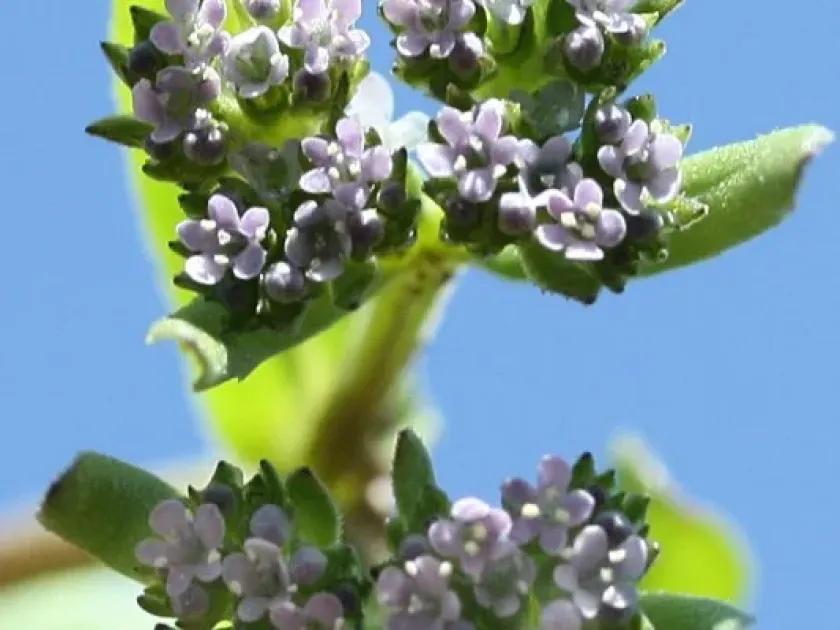
Description
Sowing dates
Valerianella kotschyi is a cold-hardy annual plant belonging to the Caprifoliaceae family, commonly cultivated for its succulent, nutritious leaves. Sowing is typically performed in early spring as soon as the soil can be worked, as the seeds germinate best in cool temperatures ranging from 10 to 15 degrees Celsius.
For sustainable production, growers often implement successional sowing every two to three weeks throughout the cool season. This strategy ensures a steady supply of fresh greens for the market, avoiding the heat of mid-summer which often forces the plants into premature bolting and flowering.
Growing requirements
The plant thrives in light, well-draining soils with a neutral pH, enriched with moderate amounts of well-decomposed organic matter. Good soil aeration is crucial to prevent the development of root diseases, which can quickly devastate a stand of young plants in compacted or waterlogged soils.
While Valerianella kotschyi appreciates plenty of sunshine, it is sensitive to intense heat and requires regular moisture to maintain its quality. Providing partial shade or irrigation during warmer spells can significantly extend the harvest period and improve the overall texture of the leaves.
Consistent irrigation is the most critical management practice, as any water stress will cause the leaves to lose their tenderness and develop an undesirable bitter aftertaste. Mulching the area around the plants can help retain soil moisture and reduce the need for frequent irrigation cycles.
Main diseases and pests
Fungal pathogens such as downy mildew and damping-off represent the primary threats to crop health, especially under conditions of high humidity and poor airflow. Managing plant density and ensuring proper drainage are the most effective non-chemical strategies for mitigating these risks in the field.
Insect pests including aphids and various lepidopteran larvae may occasionally attack the tender rosettes, requiring early intervention. Monitoring for these pests and implementing Integrated Pest Management (IPM) practices, such as promoting beneficial insects, can maintain a healthy crop without excessive pesticide use.
Harvesting
Harvesting is usually done by cutting the entire rosette at the root base once it reaches the desired size, which typically occurs 45 to 60 days after emergence. Freshly harvested produce should be kept at low temperatures and high humidity to maintain turgidity and shelf life after post-harvest processing.