
Valerianella fusiformis
Valerianella fusiformis
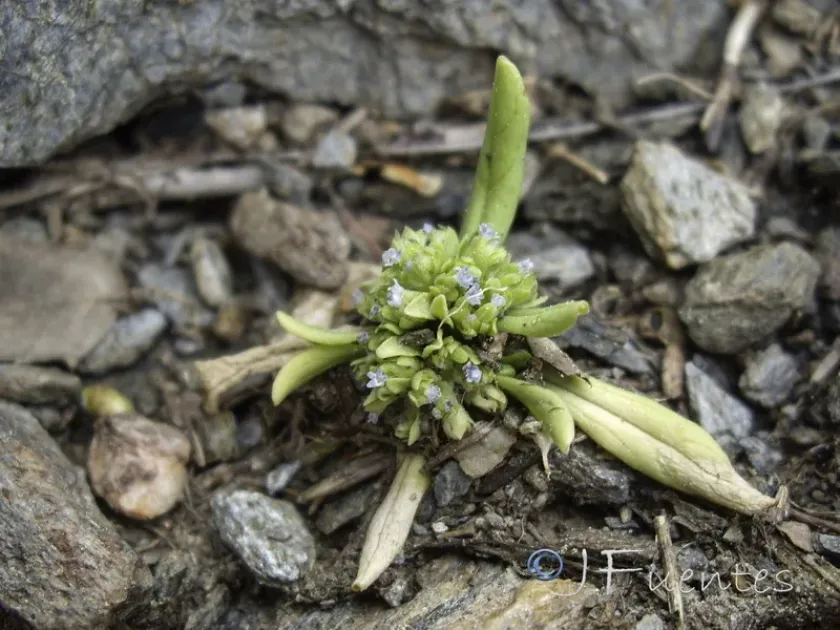
Description
Sowing dates
Valerianella fusiformis is a specialized salad crop belonging to the Caprifoliaceae family. Known for its spindle-shaped leaves, it is cultivated for its delicate flavor profile, making it a premium choice for culinary applications.
The optimal sowing time for this species is during the cooler months of spring or late summer. It possesses high cold tolerance, which allows it to thrive in mild climates where many other salad greens would fail.
Sowing should be done in rows spaced 15 to 20 centimeters apart to ensure proper airflow. This spacing is crucial for maintaining plant health and preventing the development of fungal pathogens during the growth cycle.
The seeds are small and should be sown at a depth of no more than 1 centimeter. Consistent soil moisture is required during the germination phase to ensure a uniform stand and high-quality seedling development.
Continuous harvesting can be achieved through staggered sowings every two to three weeks. This practice ensures a steady supply of fresh, tender leaves throughout the entire growing season.
Growing requirements
The crop prefers well-drained, fertile soil with a neutral to slightly acidic pH level. Soil structure should be light to allow for easy root penetration and to prevent waterlogging, which the plant cannot tolerate.
An ideal temperature range for Valerianella fusiformis is between 12 and 18 degrees Celsius. Excessive heat should be avoided as it triggers early bolting, which drastically reduces the marketability of the leaves.
While the plant enjoys full sun, it can tolerate partial shade, particularly in areas with intense midday heat. Providing shade in warmer regions helps maintain the desired texture and flavor of the leaves.
Regular but moderate irrigation is essential for the crop's development. Over-watering can lead to root rots, while under-watering makes the leaves tough and bitter, negatively impacting their culinary quality.
Soil fertility should be managed through the application of well-rotted organic matter before planting. Heavy nitrogen fertilization is generally avoided to preserve the shelf life and crispness of the harvest.
Main diseases and pests
Fungal diseases are the primary threat, particularly powdery mildew and downy mildew. These conditions thrive in high humidity and poor ventilation, making moisture control a top management priority.
Pests such as aphids and slugs can cause significant damage to young, tender growth. Implementing integrated pest management strategies, such as physical barriers or biological controls, is highly recommended.
Weed management is critical during the early stages of growth, as the plant is not competitive. Hand-weeding or light mechanical cultivation between rows is the most effective way to protect the crop.
To prevent the buildup of soil-borne pathogens, strict crop rotation should be practiced. Valerianella should not be planted in the same plot more than once every three years to maintain soil health.
Monitoring for signs of stress is vital. If damage is detected, affected plants should be removed immediately to prevent the spread of infections throughout the bed, ensuring a healthy overall harvest.