

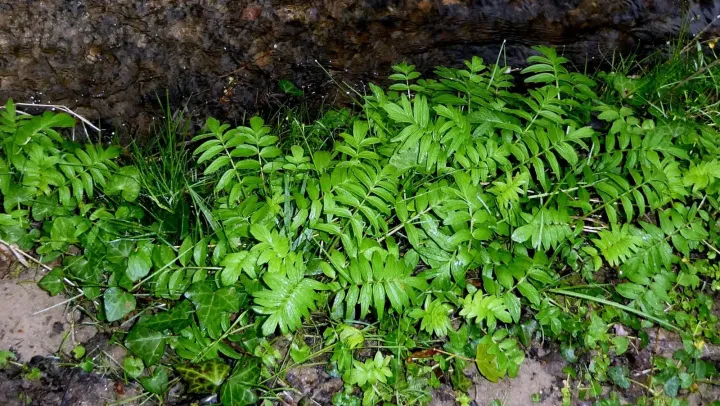
Description
Sowing dates
Valeriana officinalis is a perennial medicinal herb that is typically propagated from seeds. Sowing can be carried out in late autumn or early spring, as soon as the soil temperatures reach approximately 5-8 degrees Celsius.
The seeds are small and require minimal soil coverage to germinate effectively. A sowing depth of 0.5 to 1 centimeter is sufficient to protect the seeds from environmental drying while allowing necessary light exposure.
In large-scale agricultural production, seeds are sown in rows spaced 45-60 centimeters apart. This spacing ensures adequate root development and allows for necessary mechanical weeding during the growing season.
Seed germination is often slow and requires consistent soil moisture. During the first year of growth, the plant focuses on developing a basal rosette of leaves and building its root system for the following season.
Agronomists recommend using fresh, high-viability seeds for planting, as valerian seeds tend to lose their germinating potential relatively quickly when stored in suboptimal conditions.
Growing requirements
Belonging to the Caprifoliaceae family, Valeriana officinalis thrives in fertile, moist, and well-drained loam or sandy soils. It is highly sensitive to drought and naturally prefers environments with abundant water supply.
The plant is known for its excellent winter hardiness, allowing it to be cultivated in various temperate climates. While it prefers full sun, it can tolerate partial shade during its initial growth phases.
The ideal soil reaction for valerian cultivation is neutral to slightly acidic. Areas with heavy clay or poor drainage should be avoided, as stagnant water significantly increases the risk of root rot.
Field maintenance involves frequent weeding to prevent competition for nutrients and moisture. Valerian performs poorly in weed-infested fields, which can lead to stunted growth and lower root quality.
The application of organic matter, such as compost or well-rotted manure, alongside balanced NPK fertilizers, helps support healthy root development and increases the concentration of beneficial compounds.
Yield
Optimal yields of valerian root are typically harvested at the end of the second year of cultivation. This timing ensures that the roots have reached peak size and chemical maturity for medicinal use.
Average yield for dried roots ranges from 1.5 to 2.5 tonnes per hectare, depending on soil fertility, moisture availability, and the precision of the agricultural practices implemented throughout the cycle.
If the plant bolts or flowers prematurely during the first year, it can redirect energy away from the roots, potentially decreasing final yield. Thus, managing the growth stages is crucial for consistent quality.
Effective quality control is essential, as the medicinal value depends on the levels of essential oils and valepotriates. Modern harvesting techniques must balance efficiency with the delicate nature of the medicinal compounds.
Tracking root biomass during the late autumn of the second year allows producers to plan harvest logistics and ensure the raw material meets pharmaceutical manufacturing requirements.
Main diseases and pests
Valerian is susceptible to various fungal diseases, including powdery mildew, which thrives in high-humidity environments. Maintaining proper airflow through adequate spacing is a key preventative measure.
Root rots can be devastating in waterlogged soils, making proper site selection and soil drainage critical. These diseases can quickly compromise the entire harvest by destroying the root system.
Common pests include aphids and various caterpillar species that damage foliage. Severe leaf damage reduces the plant's ability to photosynthesize, thereby negatively impacting overall biomass accumulation.
Wireworms and other soil-borne larvae can tunnel through roots, rendering the harvest unsuitable for commercial use. Integrated pest management and proper crop rotation are essential strategies.
- Implement a 5-year crop rotation cycle to reduce soil-borne pathogen buildup.
- Use biological control agents to manage aphid populations.
- Regularly inspect fields to detect early signs of fungal infection or pest damage.
Harvesting
Harvesting usually occurs in the autumn of the second year when the aerial parts begin to turn yellow. This signifies that the plant has ceased active vegetative growth and is ready for extraction.
Roots are lifted using specialized mechanical diggers, cleaned thoroughly of soil, and trimmed of stems. The washing process must be efficient to prevent the leaching of valuable essential oils into the water.
Drying is a critical step, performed at temperatures not exceeding 40 degrees Celsius in well-ventilated drying facilities. Excessive heat can cause the degradation of key medicinal components.
Once dried, the roots undergo final sorting and cleaning to remove impurities. The product is then packed in moisture-proof containers and stored in a dark, cool environment to maintain potency.
Adherence to global pharmacopeia standards is required, with batch testing often used to verify the concentration of active ingredients before the material is released for pharmaceutical processing.
Reference
Connections · Valerian
Most often together:
Marketplace
Products · 9


Trifluralin 480 g/L, herbicide
F.A.GAN Chemical Manufacturers Ltd. Israel, member
Herbicides
0
0
8 offers
8.7 €per 1 l
Buy

Triflurex 240 g.e., (Trifluralin, 240 g/l)
F.A.GAN Chemical Manufacturers Ltd. Israel, member
Herbicides
0
0
No offers
—
Details

