
Valeriana fauriei
Valeriana fauriei Briq.
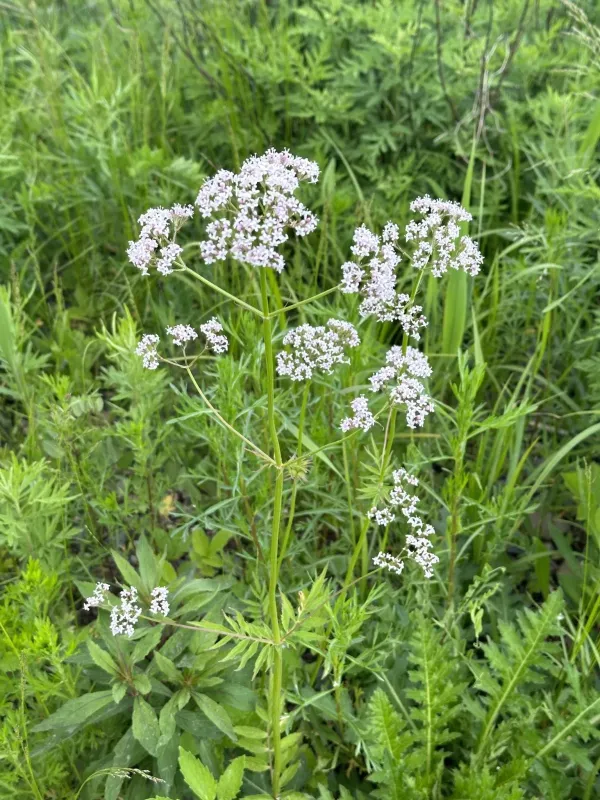
Description
Sowing dates
Valeriana fauriei is a perennial herbaceous plant belonging to the Caprifoliaceae family. Sowing is typically performed in late autumn or early spring when the soil temperature becomes suitable for germination. Autumn sowing is preferred as it naturally stratifies the seeds, leading to more uniform emergence.
For spring sowing, seeds require pre-treatment to enhance viability. Seeds should be sown at a depth of 0.5–1 cm, as they are small and highly sensitive to soil compactness. Proper soil moisture is essential for germination, which usually occurs within two to three weeks.
During the first year of life, the plant focuses on developing a basal rosette of leaves and a robust root system. In the second year, the plant shifts its energy toward flowering and seed production, marking the prime stage for medicinal root development.
To ensure healthy growth, the planting density must allow for adequate airflow. A row spacing of 45–60 cm is recommended, which facilitates maintenance tasks and weed control efforts during the growing season.
Choosing the right site is crucial; avoid waterlogged or heavy soils. A well-drained site with light, fertile soil ensures strong establishment of young seedlings and reduces the risk of fungal infections.
Growing requirements
This crop thrives in open, sunny locations. Insufficient light negatively impacts the synthesis of essential oils and other active compounds within the roots, directly affecting the quality of the harvested product.
Valeriana fauriei prefers fertile, humus-rich soils with a neutral or slightly acidic pH. Heavy clay soils can impede the development of roots and make harvesting significantly more difficult and labor-intensive.
Water management is critical; while the crop needs consistent moisture during the early stages, it is intolerant of prolonged waterlogging. Excess water can lead to root rot and other physiological disorders.
The plant demonstrates good frost resistance in temperate climates. However, in regions with harsh winters and low snow cover, mulching the field can help protect the root system from freezing and frost-heaving.
Strategic fertilization is beneficial for yield optimization. Phosphorus and potassium applications support root development and increase the concentration of bioactive components in the final dried product.
Yield
The yield of Valeriana fauriei depends largely on the age of the plantation and local environmental conditions. Peak production is achieved at the end of the second year when the roots reach their maximum size and quality.
A well-managed field can yield between 1.5 and 2.5 tonnes of dried root material per hectare. Success depends heavily on maintaining clean, weed-free conditions throughout the growing cycle.
Effective weed management in the first year is vital, as competition from weeds can drastically reduce the final mass and quality of the roots. Once established, the crop is more capable of competing with vegetation.
Rotation cycles are essential to maintain soil health and prevent pathogen buildup. Following grains or clean fallow periods helps ensure that the soil remains productive for high-quality root harvests.
By balancing plant density and nutrient input, growers can ensure consistent production. Consistent yields are typically achieved through regular monitoring and timely field maintenance practices.
Main diseases and pests
The primary pests include wireworms and larvae of coleopterans, which can tunnel into and damage the roots. This damage not only reduces yield but also leaves the roots vulnerable to secondary infections.
Fungal issues, such as powdery mildew, can affect the leaf surface and reduce the plant's overall energy production. Prevention involves proper spacing and maintaining a dry environment around the leaves.
Root rot is the most significant threat, particularly in poorly drained soils or years with excessive rainfall. Improving soil structure and avoiding deep-seated compaction are key preventive measures.
Phoma blight can also impact plant health in intensive farming systems. Sourcing healthy, certified seed and practicing strict field hygiene are effective ways to mitigate these risks.
- Wireworms
- Powdery mildew
- Root rot
- Phoma blight
- White grubs
Harvesting
Harvesting takes place in the autumn of the second year, once the above-ground foliage begins to wither. This stage is chosen because the root system has concentrated the highest levels of active ingredients.
Mechanical harvesting is typically used, with plows or diggers designed to lift the roots without excessive damage. After extraction, roots must be immediately cleaned of soil and debris to prevent spoilage.
The cleaned roots should be rinsed with water and left to wilt briefly before final processing. Direct, prolonged exposure to sunlight should be avoided to prevent the loss of essential oils through evaporation.
Drying is performed in controlled environments at temperatures below 40 degrees Celsius. Higher temperatures may damage the thermolabile compounds, leading to a loss of therapeutic value.
The finished product is stored in a cool, dry, and dark environment to maintain its potency. When properly dried and packaged, the roots can retain their medicinal properties for up to three years.