
Valeriana jatamansi
Valeriana jatamansi Jones
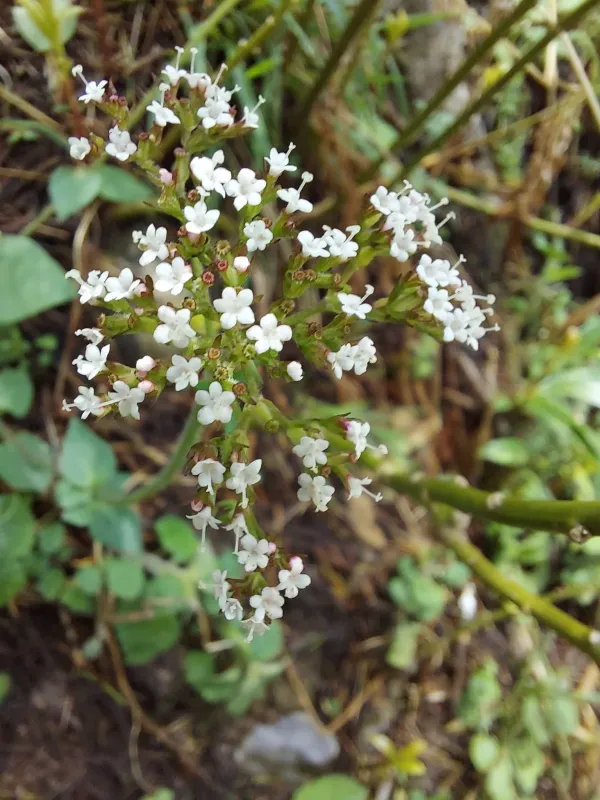
Description
Sowing dates
Sowing Valeriana jatamansi is best performed in the spring when soil temperatures stabilize, ensuring optimal conditions for seed germination. Fall sowing is also an option in temperate regions to allow for natural stratification.
Seeds should be sown at a shallow depth of approximately 1-2 centimeters, as they are minute and sensitive to burial. Proper contact between the seed and moist soil is crucial for successful establishment.
For commercial cultivation, a row spacing of 45-60 centimeters is recommended to provide sufficient space for root system development. This spacing also facilitates mechanical weed control during the season.
Seed germination is relatively slow, necessitating constant monitoring of soil moisture levels. Covering the seedbed with light mulch or agricultural fleece helps retain moisture during the initial growth phase.
Vegetative propagation via root division is a common alternative for faster plantation establishment. This method requires healthy mother plants and ensures genetic consistency across the entire field.
Growing requirements
Valeriana jatamansi belongs to the Caprifoliaceae family and originates from the high-altitude regions of the Himalayas. It prefers cool, temperate climates and requires partial shade to thrive in lower altitudes.
Well-drained, fertile sandy loam or silty soils are ideal for this crop. Excessive water retention in the soil profile must be avoided, as it leads to root rot and significant yield reduction.
Adequate moisture is essential throughout the growing season, especially during dry spells. In warmer areas, implementing drip irrigation systems is necessary to maintain consistent plant vitality.
The soil should have a slightly acidic to neutral pH level. Integrating organic matter, such as compost or well-rotted manure, prior to planting provides the necessary nutrients for vigorous root formation.
The plant is hardy, but winter protection is advised in regions with severe frosts. Banking soil around the base of the plant in late autumn helps insulate the crown and root system.
Yield
Yield performance is highly dependent on the plant age, with the most concentrated active compounds occurring in the root system after the third growing season. Harvesting early results in lower essential oil content.
Under optimal management, growers can achieve yields of up to 1.5-2 tonnes of dry roots per hectare. Variability in yield is often linked to soil fertility levels and climatic consistency during the year.
The concentration of essential oils is higher when the crop is grown in conditions mimicking its natural alpine habitat. Diurnal temperature fluctuations play a key role in the biosynthesis of these compounds.
Balanced fertilization focusing on phosphorus and potassium encourages root expansion rather than excessive leaf growth. Excessive nitrogen application should be avoided as it may lower the oil quality.
Post-harvest quality management is critical. The roots must be thoroughly cleaned of all soil particles to meet pharmaceutical standards, as contamination significantly devalues the raw material.
Main diseases and pests
Root rot is the most significant threat to Valeriana jatamansi plantations, typically caused by poor soil drainage and waterlogging. Preventive measures include proper site selection and soil amendment.
Wireworms and other soil-borne pests can damage the root system, creating entry points for fungal pathogens. Implementing crop rotation with non-host crops is the most effective preventative strategy.
Weeds can severely outcompete the young seedlings in the early growth stages. Regular mechanical cultivation between rows is required to maintain the plantation’s health and access to nutrients.
Aphids may infest the foliage during hot, dry weather conditions. Integrated pest management, focusing on biological controls, is preferred to ensure the final product remains free of chemical residues.
Space management is vital to reduce disease transmission between plants. Avoiding overcrowding and ensuring good airflow within the canopy significantly reduces the risk of fungal outbreaks.
Harvesting
Harvesting is typically conducted in the autumn once the aerial parts of the plants begin to senesce and turn yellow. This timing ensures that the roots have fully matured and stored sufficient compounds.
Mechanical diggers or careful manual excavation are used to lift the roots from the soil. It is important to minimize mechanical damage during this process to ensure high storage quality.
The harvested roots are cleaned by washing in running water to remove dirt and debris. Prompt cleaning is necessary to prevent microbial degradation of the raw material before drying.
Drying must be performed in shaded, well-ventilated conditions at controlled temperatures, usually below 45 degrees Celsius. Excessive heat causes the evaporation of volatile aromatic oils.
Stored dry roots should be kept in breathable bags in a cool, dark environment. Proper storage conditions prevent molding and ensure the medicinal properties remain stable for market distribution.