
Pennywort
Umbilicus rupestris
Description
Growing requirements
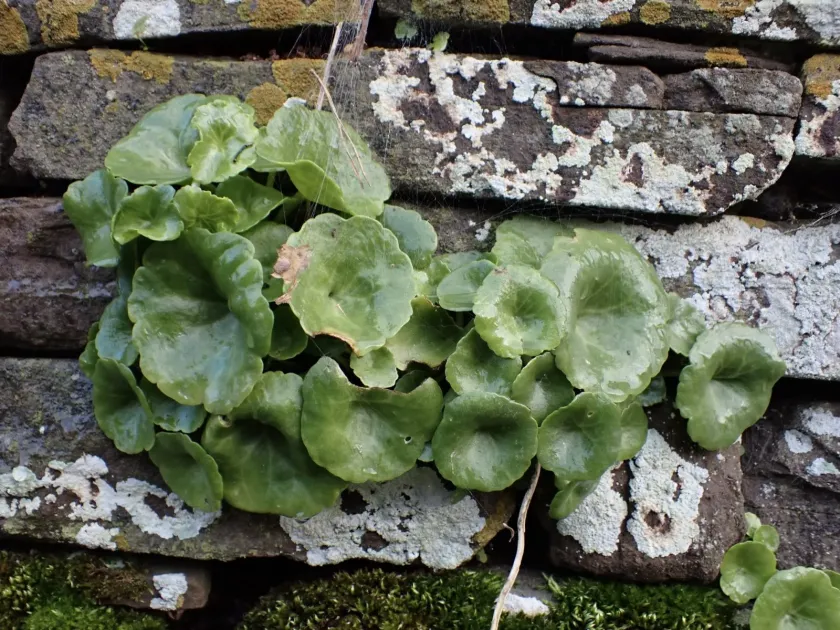
Pennywort (Umbilicus rupestris) is a perennial succulent belonging to the Crassulaceae family. It is typically found in rocky crevices, walls, and cliffs, demonstrating a unique ability to thrive in environments with very limited soil volume.
The plant requires a Mediterranean-like climate characterized by mild, wet winters and warm, dry summers. In agricultural settings, mimicking these conditions is essential for the healthy development of the plant, especially concerning the regulation of water cycles.
Soil requirements are strict: the substrate must be highly porous and inorganic. A mixture of gravel, sand, and small rocks is ideal, as it ensures rapid drainage and prevents the succulent from sitting in stagnant water, which is fatal for the species.
Light exposure should be generous, but direct, intense summer sun can scorch the fleshy leaves. Partial shade during the hottest parts of the day is often recommended for plants grown in containers or managed landscapes to maintain optimal health.
Economic use of Umbilicus rupestris is primarily focused on rock gardening and ornamental landscaping. While not a large-scale industrial crop, it is valued for its unique architecture and its historical use in folk medicine for treating minor skin conditions.
Main diseases and pests
The primary threats to this species are fungal pathogens encouraged by excessive humidity. Diseases such as crown rot and various forms of dampening-off are common when drainage systems fail or during prolonged periods of high rainfall without adequate ventilation.
Pests such as mealybugs and aphids frequently target the plant, congregating in the sheltered areas between the thick leaves. These infestations can weaken the plant and serve as a vector for secondary viral or fungal infections.
Gastropods, particularly slugs and snails, find the succulent leaves highly palatable. In outdoor cultivation, these mollusks can devastate young populations if physical barriers or organic pest control methods are not implemented.
Improper fertilizing habits often lead to weakened cell structures, making the plants more susceptible to physiological stress. It is crucial to avoid nitrogen-heavy fertilizers, which induce succulent tissues to grow too fast and lose their natural resistance.
Disease management relies on environmental control: improving airflow, reducing humidity, and ensuring the soil dries out completely between watering sessions. Monitoring for early signs of pest colonization is the most effective way to prevent widespread damage.