
Umbilicus chloranthus
Umbilicus chloranthus
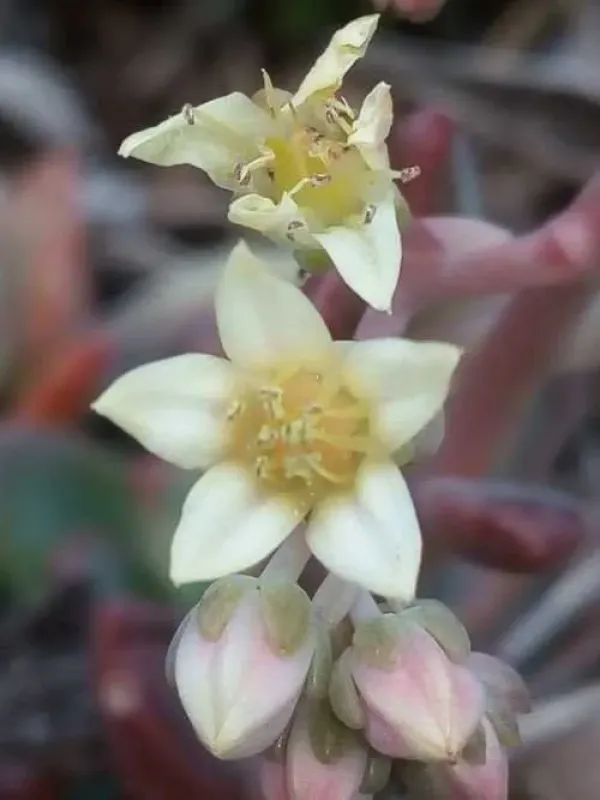
Description
Sowing dates
Propagation of Umbilicus chloranthus is typically performed via seeds or by separating offsets. Seeds should be sown in late winter or early spring using a well-draining substrate, kept only lightly covered as they require light to germinate effectively.
Maintain temperatures between 18–22 degrees Celsius to ensure steady germination. It is crucial to provide consistent but light surface moisture, ensuring that the growing medium does not become waterlogged, which is detrimental to seedlings.
For vegetative propagation, offsets are removed from the parent plant during the active growing season. Allow the offsets to dry for a few days to callus before placing them into sandy soil for rooting.
Providing adequate airflow is essential for young plants in a greenhouse or indoor setting. Good ventilation significantly reduces the risk of fungal infections that often thrive in stagnant, humid environments.
When moving plants to their permanent location outdoors, ensure the risk of frost has passed. Gradual acclimatization is recommended to prevent temperature stress, which can weaken the succulent tissue.
Growing requirements
Umbilicus chloranthus belongs to the Crassulaceae family and is recognized as a hardy, succulent herb. It features fleshy, succulent leaves designed for water storage, allowing it to thrive in arid or rocky environments.
This plant requires bright light to maintain its compact growth form. While it enjoys sunshine, it should be protected from harsh midday sun in warmer climates to avoid leaf scorch and dehydration.
Soil requirements focus on drainage. A mix comprising loam, coarse sand, and small gravel or grit is ideal. This combination ensures that excess water drains away quickly from the root system, preventing rot.
Fertilization should be handled with caution; use specialized low-nitrogen succulent fertilizers once a month during the growing season. Excessive nitrogen promotes weak, spindly growth that makes the plant less resilient.
The species is well-adapted to low atmospheric humidity, making it an excellent candidate for xeriscaping or rock garden projects where traditional plant species struggle to survive without frequent watering.
Main diseases and pests
The most significant threat to Umbilicus chloranthus is overwatering, which leads to root rot. Signs of trouble include soft, discolored, or mushy leaves. If rot is detected, decrease watering immediately and repot in fresh, dry substrate.
Pests such as mealybugs and spider mites are common enemies, particularly in dry, stagnant conditions. Mealybugs appear as white, cotton-like masses, while spider mites leave thin webbing between the leaves.
Control of pests involves using appropriate insecticidal soaps or systemic treatments. Regularly checking the undersides of leaves and the junction between leaves and stems is vital for early detection of any infestation.
Etiolation, or stretching of the plant, occurs when the light levels are insufficient. This growth habit is not only aesthetically unpleasing but also leaves the succulent vulnerable to physical damage and disease.
Preventative maintenance includes keeping the plant clean and ensuring no debris accumulates near the base of the stems, as decaying material can become a focal point for pathogen development.