
Umbilicus intermedius
Umbilicus intermedius
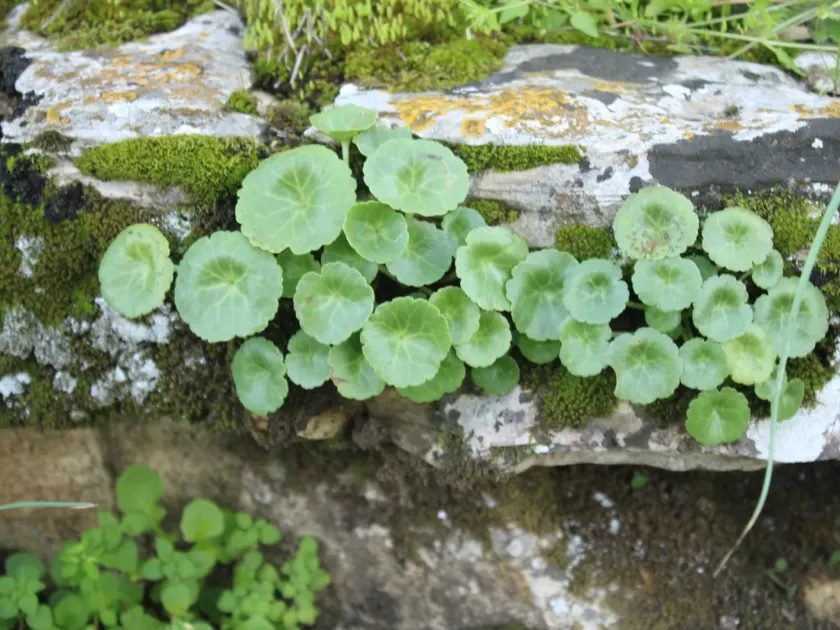
Description
Growing requirements
Umbilicus intermedius is a succulent perennial plant belonging to the Crassulaceae family. It is naturally adapted to rugged, rocky terrains where it thrives in environments that would be inhospitable to most other vegetation, showcasing high levels of ecological resilience.
The plant demands well-draining, coarse-textured soils, typically a mix of sand and grit. In cultivation, it is essential to replicate these conditions, as the root system is highly susceptible to rot if exposed to standing water or prolonged moisture within the soil profile.
Regarding climate, this species favors full sun exposure and warm temperatures during the growing season. It has evolved to utilize water efficiently, storing it within its fleshy leaves to survive seasonal droughts, making it highly drought-tolerant once it has established a strong root system.
The botanical structure consists of a basal rosette of succulent leaves and an elongated inflorescence. Propagation is primarily achieved through seeds or by separating offset rosettes, which allows for the controlled expansion of the plant on suitable gardening sites like rockeries.
While not a major commercial food crop, Umbilicus intermedius holds significant value in ornamental landscaping. It is used as a specialized ground cover or a feature plant in xeriscaping projects, providing aesthetic appeal with minimal water input and low maintenance requirements.
Main diseases and pests
The primary threats to this species involve pathogens that flourish in poor drainage conditions, such as fungal wilt and root rot. Maintaining a dry soil surface and ensuring constant air circulation around the rosettes are the most effective preventive measures against these diseases.
Insect pests, specifically mealybugs and spider mites, are common threats in ornamental settings. Regular inspection and the application of appropriate contact insecticides are necessary to maintain plant health and prevent the infestation from spreading to adjacent plantings.