
Umbilicus horizontalis
Umbilicus horizontalis
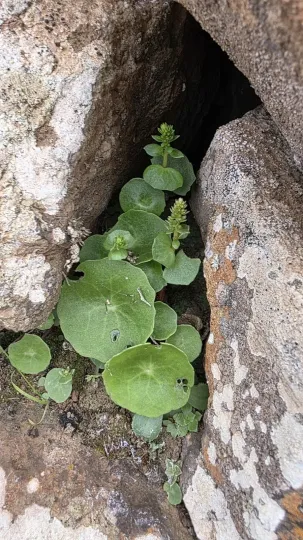
Description
Growing requirements
Umbilicus horizontalis is a succulent perennial plant belonging to the Crassulaceae family. It is native to the Mediterranean basin and the Middle East, where it typically thrives in rocky crevices and well-drained slopes.
The culture requires a very porous and mineral-rich substrate to thrive. Standard potting mixes for succulents, supplemented with sand or gravel, provide the necessary drainage to ensure the root system does not remain damp for long periods.
Environmental conditions for this plant should mimic its natural habitat. It prefers bright, indirect sunlight or direct morning sun, coupled with a well-ventilated area to prevent humidity build-up around the foliage.
Botanically, it is recognized by its succulent rosettes and a distinct inflorescence where flowers are positioned horizontally. The plant undergoes a natural dormancy period during the hottest summer months, losing its aerial parts.
Its primary use is decorative in specialized rock gardens, alpine houses, or as a container plant. Growers value it for its architectural form and low maintenance requirements once established in a suitable environment.
Main diseases and pests
The most significant threat to Umbilicus horizontalis is root rot caused by poor soil drainage or excessive watering. The succulent tissues are prone to fungal decay if moisture management is not strictly controlled.
Mealybugs are the most common pests, often settling deep within the leaf rosettes. If detected, they should be removed manually or treated with targeted insecticide applications suitable for succulents.
In outdoor garden settings, slugs and snails can cause severe damage to the fleshy leaves. Effective management includes the placement of physical barriers or using baits to protect the succulent rosettes.
Inadequate light exposure often results in the plant becoming weak and leggy, making it more susceptible to opportunistic pathogens. Proper lighting is a fundamental pillar of disease prevention for this species.
Sterilization of the potting medium is strongly advised, especially when growing in containers. This practice prevents soil-borne pests and pathogenic fungi from compromising the sensitive root system.