
Umbilicus parviflorus
Umbilicus parviflorus
Description
Growing requirements
Umbilicus parviflorus is a perennial succulent plant species belonging to the Crassulaceae family. It is native to the Mediterranean basin, particularly common in rocky habitats across Greece and surrounding islands, where it thrives in crevices.
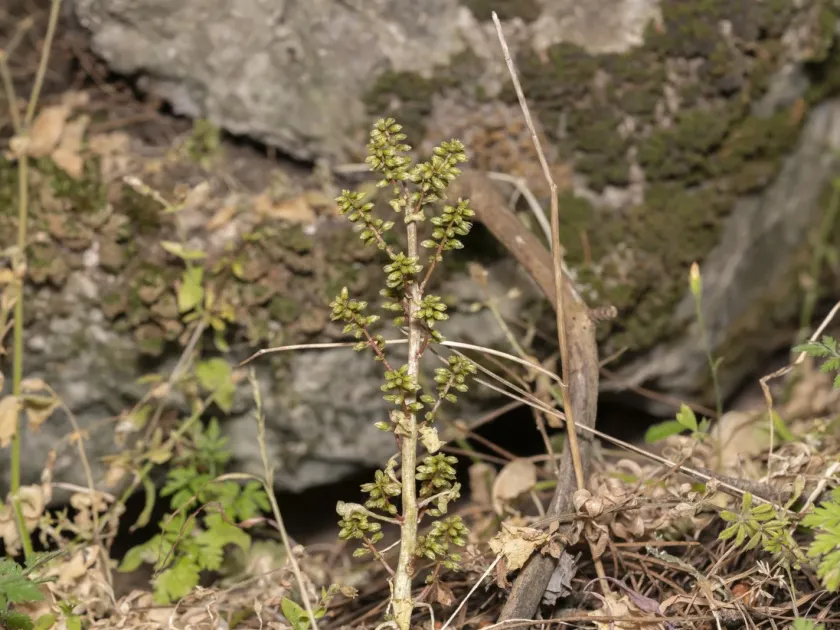
Botanically, the plant features fleshy, succulent leaves arranged in a basal rosette, accompanied by a slender, erect inflorescence bearing small, greenish-yellow flowers. These features represent an evolutionary adaptation to the harsh, nutrient-poor, and dry environments.
In cultivation, the primary requirement is a highly porous and free-draining substrate. Using a mix of gritty soil, coarse sand, and minimal organic matter is essential to prevent root rot, which is the most common cause of plant loss.
The climate requirements for optimal growth include bright, indirect to direct sunlight and well-ventilated conditions. The plant undergoes a natural dormant period during the hot, dry summer months when it should be kept on the drier side to mimic its natural cycle.
In terms of economic and practical use, Umbilicus parviflorus is predominantly utilized in rock gardening, xeriscaping, and as an ornamental pot plant. Its unique architectural foliage makes it a desirable addition for collectors of Mediterranean flora.
Main diseases and pests
The most significant threat to this species is overwatering, which quickly leads to fungal pathogens and root decay. Proper soil aeration is the primary defense against such physiological and pathological issues in succulents.
Pests such as mealybugs and spider mites are frequent invaders that target the tender tissue at the base of the leaves. Regular scouting and immediate application of appropriate horticultural treatments are necessary to prevent infestations.
Poor lighting conditions constitute a secondary threat, leading to etiolation. When the plant grows weak and stretched due to lack of light, it loses its structural integrity and becomes significantly more susceptible to environmental stress.
Preventative measures include avoiding high humidity and ensuring that no water remains stagnant within the center of the leaf rosettes. Good air circulation is essential for the health of the leaves throughout the growing season.
Should the plant become infected by pathogens, immediate removal of damaged tissue and adjustment of the watering schedule towards a stricter regime are recommended for recovery and long-term viability.