
Yellow navelwort
Umbilicus luteus
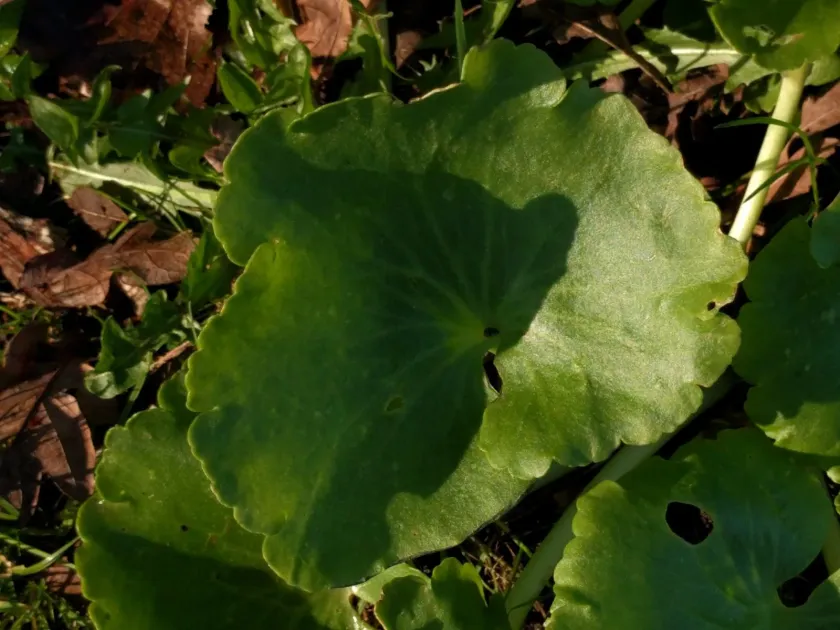
Description
Sowing dates
Propagation of Umbilicus luteus, commonly known as yellow navelwort, is typically achieved through seeds or the division of rhizomes.
Seeds should be sown in late autumn or early spring, often requiring a period of cold stratification to ensure uniform germination.
Vegetative propagation via division is most effective immediately after the flowering period, ensuring that each segment has a healthy root system.
Spacing is essential for this species to allow for the proper development of the basal rosette, which is characteristic of this succulent.
The planting medium must be loose and sandy to prevent moisture retention around the seeds during the critical initial germination phase.
Growing requirements
Yellow navelwort belongs to the Crassulaceae family and is recognized for its ability to thrive in harsh, rocky environments.
The plant requires well-drained, gritty soil with a neutral to slightly alkaline reaction to prevent root rot and physiological stress.
It is a sun-loving plant that performs best in bright, open locations, though it benefits from light shade during intense summer heat.
Watering practices must be strictly controlled; the soil should be allowed to dry out significantly between watering sessions.
Climate adaptability is limited; the plant thrives in Mediterranean-type climates where winters are mild and free from prolonged freezing.
Main diseases and pests
Root rot is the most significant threat to this culture, usually induced by poor drainage, excessive irrigation, or prolonged stagnant moisture.
Pests such as mealybugs and spider mites can infest the rosettes, particularly in greenhouse or indoor cultivation environments.
Fungal infections can appear as brown spots on the foliage, often triggered by poor air circulation and high humidity levels around the plant.
Gastropods, including snails and slugs, are particularly destructive to the succulent leaves, especially during the active growth season.
Management involves using preventive fungicides and ensuring that the foliage remains dry to discourage the growth of pathogenic organisms.