
Navelwort
Umbilicus gaditanus
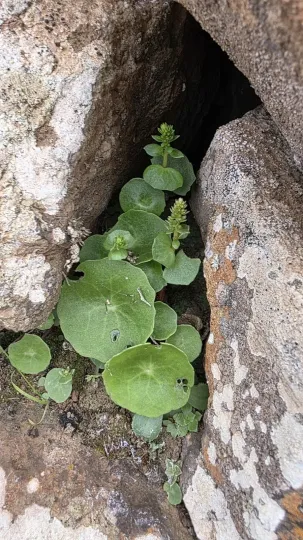
Description
Sowing dates
Umbilicus gaditanus is an ephemeral succulent that follows a strict seasonal cycle. In its natural habitat, seeds germinate in autumn when temperatures drop and winter rains begin to moisten the soil after the harsh summer drought.
When cultivated, seeds should be sown in autumn on a light, sandy substrate. Since the seeds are extremely small, they should be surface-sown and kept consistently moist until germination, mimicking the natural autumn precipitation.
During the cooler months, the plant develops a rosette of succulent leaves. It is crucial to maintain high light levels during this stage to ensure sturdy, compact growth rather than etiolated, weak foliage.
The vegetative phase concludes by late spring. As temperatures rise and daylight lengthens, the plant begins to shed its leaves and retreats into its underground tuberous root system to survive the summer dormant period.
Propagation can also be achieved by separating the small offsets or tubers that develop around the parent plant. This method is often more reliable than seed germination for hobbyist gardeners looking to expand their collection.
Growing requirements
As a member of the Crassulaceae family, the Navelwort is highly adapted to rocky slopes and crevices. It requires excellent drainage; a substrate composed of grit, sand, and a small amount of organic matter is ideal.
The plant thrives in full sun but appreciates some protection from the intense, scorching midday sun. In container gardening, it is essential to prevent the pot from overheating, which could damage the delicate tubers.
Watering should be careful and strictly limited to the growth period. Overwatering is the most common mistake and frequently leads to the rapid collapse of the plant due to fungal pathogens in the soil.
Soil pH should ideally be neutral to slightly alkaline. The presence of calcium carbonate in the substrate often benefits the development of these plants, reflecting their preference for calcareous soil profiles.
Fertilizer application should be minimal. A balanced, low-concentration liquid fertilizer designed for cacti and other succulents can be applied once at the beginning of the growth season to encourage healthy development.
Main diseases and pests
Fungal diseases are the primary threat, usually triggered by excessive moisture and poor air circulation. Root rot often progresses silently until the plant's leaves yellow and detach from the base.
Mealybugs are a common pest that may infest the base of the rosettes. Regular inspections and the application of horticultural oils or systemic insecticides help manage these pests effectively before they colonize the entire plant.
Aphids can target the developing flower spikes, sucking the sap and causing distorted growth. These should be treated immediately with mild insecticidal soaps to prevent the spread to other plants.
Gastropods, such as slugs and snails, are particularly damaging during damp spring nights. They can consume large portions of the succulent leaves, significantly detracting from the plant's aesthetic value and overall health.
The best defense against these threats is a proactive approach: providing a free-draining environment, maintaining moderate humidity levels, and ensuring that the plant receives adequate ventilation during its active growth phase.