
Turkestan juniper
Juniperus pseudosabina Fisch. & C. A. Mey.
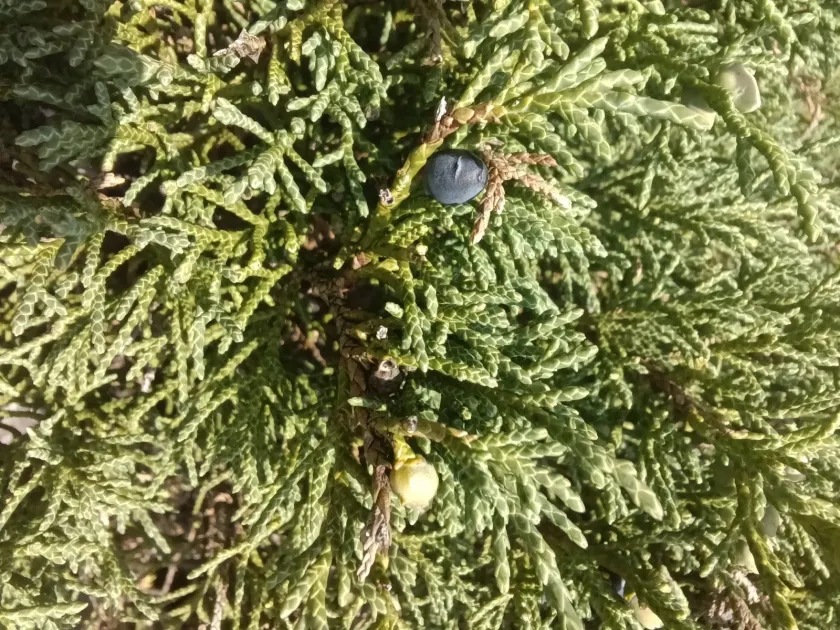
Description
Growing requirements
Turkestan juniper (Juniperus pseudosabina) belongs to the Cupressaceae family and is recognized for its incredible resilience in harsh high-altitude environments. It is a slow-growing evergreen shrub or small tree often found in rocky, mountainous terrains.
The plant is highly drought-tolerant and capable of withstanding extreme temperature fluctuations. Its natural adaptation allows it to thrive in nutrient-poor, rocky substrates where other ornamental species would struggle to survive.
The most important soil requirement is excellent drainage. The species cannot tolerate waterlogged conditions, as its root system is highly susceptible to decay when exposed to excess moisture for extended periods.
Full sun exposure is necessary for the plant to maintain its characteristic growth habit and foliage density. While it can tolerate partial shade, insufficient sunlight often leads to sparse branches and reduced overall plant vitality.
Agricultural techniques for this species are minimal. It requires very little fertilization and should be planted in a way that respects its slow growth rate, ensuring it has enough space to establish its root system properly.
Main diseases and pests
Fungal diseases, including juniper rust and various needle casts, pose a major threat to this species. These pathogens thrive in humid environments and can cause significant foliage loss if not managed effectively.
Insects like spider mites and juniper scale are common pests. They feed on the sap of the plant, often leading to discoloration of the needles and stunted growth of the younger, more tender shoots.
Root rot, caused by various soil-borne fungi, is a common issue resulting from overwatering or improper drainage in the planting site. Once established, this condition is extremely difficult to reverse.
Mechanical damage to the bark or branches provides entry points for various infections, making sanitation and careful handling during maintenance crucial for the long-term health of the plant.
Effective management includes maintaining good air circulation within the canopy and applying preventive fungicide treatments during the spring season to reduce the risk of outbreaks.