
Juniper
Juniperus communis L.
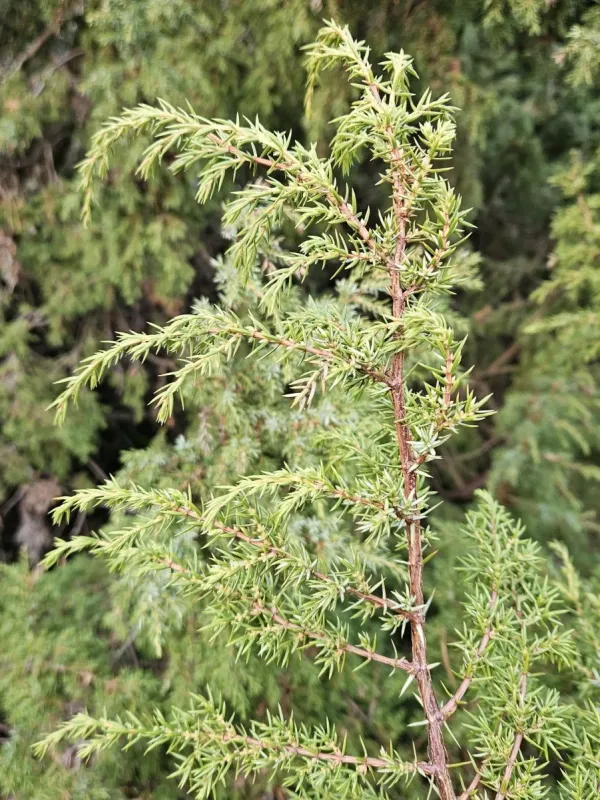
Description
Growing requirements
Juniper (Juniperus communis L.) belongs to the Cupressaceae family and is recognized for its high adaptability to diverse environments. As a hardy evergreen shrub, it occurs naturally in various habitats, ranging from high-altitude rocky slopes to open coniferous forests.
The plant thrives in full sun exposure. While it exhibits remarkable tolerance for various lighting conditions, maximum solar radiation is necessary to maintain a compact growth habit and vibrant, healthy foliage color throughout the growing season.
Regarding soil requirements, this species is undemanding and prefers well-drained substrates. It can tolerate acidic to neutral soils, including sandy or rocky textures where nutrient levels may be low, provided there is adequate aeration for the root system.
The climate requirements for this juniper are characterized by a high degree of cold hardiness. It is physiologically adapted to withstand harsh winters and variable temperatures, making it a reliable choice for cold-climate gardening and erosion control.
In landscape architecture, the juniper serves as a crucial element for rock gardens, ground cover, and structural hedging. Its ornamental value is complemented by its ecological benefits, including air purification and soil stabilization on sloping terrain.
Main diseases and pests
The most significant pathological threats to the plant include fungal diseases such as cedar-apple rust and needle cast (Lophodermium). These infections are particularly prevalent during damp, cool springs when fungal spores spread through the air to susceptible foliage.
Pest pressures are primarily caused by spider mites and scale insects. These pests cause chlorosis, needle discoloration, and potential branch dieback by feeding on the sap of the evergreen tissues, especially during periods of water stress.
Management of fungal diseases involves the application of copper-based fungicides. Timing is critical, with preventative applications typically recommended at the onset of new growth to protect the developing needles from infection.
Control of insect pests requires systemic insecticides or miticides. Integrated pest management practices, such as maintaining plant vigor through appropriate irrigation and avoiding overcrowding, significantly reduce the necessity for chemical intervention.
Sanitation practices, including the removal of dead or infected branches, remain a cornerstone of effective disease prevention. Pruning improves air circulation within the canopy, which naturally suppresses fungal growth and minimizes pest habitats.