
Juniperus communis depressa
Juniperus communis L. var. depressa Pursh
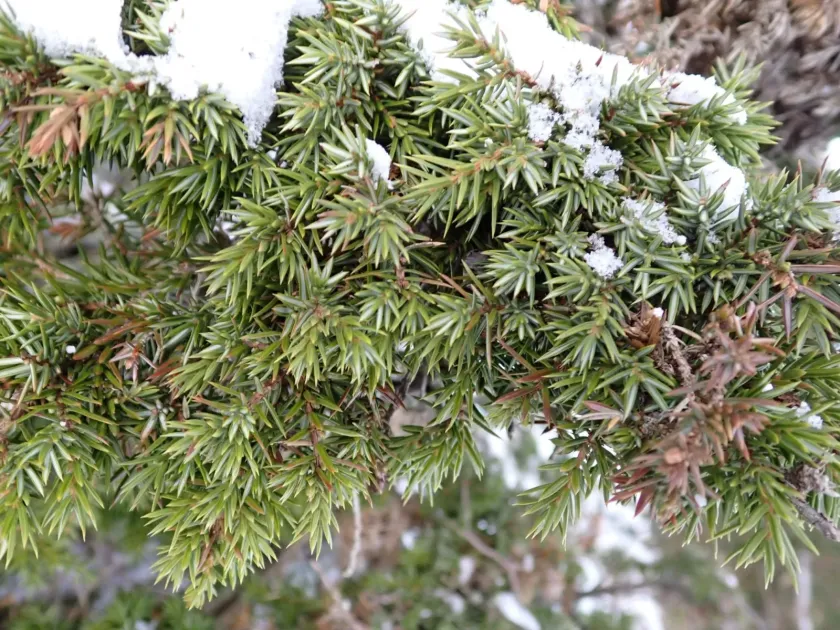
Description
Growing requirements
Juniperus communis var. depressa, commonly known as the creeping juniper, belongs to the Cupressaceae family. This distinct variety is characterized by its prostrate habit, spreading horizontally rather than growing vertically, which distinguishes it from the common erect juniper.
Native to cold northern regions and high altitudes, this plant is exceptionally hardy. Its natural distribution spans vast areas across North America and Eurasia, demonstrating a high tolerance for harsh, windy, and mountainous environments.
Soil requirements for this variety prioritize excellent drainage. It thrives in poor, rocky, or sandy substrates where other plants might struggle. Heavy clay soils are unsuitable and require significant amendment to prevent root rot.
Sunlight is critical for the dense, mat-forming growth pattern. While the species can tolerate partial shade, full sun is essential to maintain the structural integrity and deep coloration of the foliage throughout the growing season.
Regarding maintenance, this cultivar is remarkably low-intervention. It requires very little pruning, and fertilization is generally unnecessary, as excessive nutrients can lead to weak, forced growth that is less resistant to winter damage.
Main diseases and pests
Juniper blight, caused by various fungal pathogens, is a significant threat that results in the browning and dieback of branches. Pruning infected areas promptly and improving air circulation are standard management strategies.
Spider mites are common pests during dry, hot summers. They cause stippling and discolouration of the needles, which can be mitigated by ensuring the plant is not under moisture stress and using horticultural oils when necessary.
Phomopsis twig blight is another fungal issue that targets young shoots. It is exacerbated by overhead watering, so focusing irrigation at the base of the plant is recommended to keep the foliage dry.
Scale insects may attach to the woody parts of the shrub, weakening the plant by sucking sap. Systemic insecticides or topical applications of insecticidal soap are effective during the crawler stage of the lifecycle.
Monitoring the plant for signs of stress is vital, as a healthy, well-situated specimen of Juniperus communis depressa will have strong natural defences against most common environmental pathogens and pests.