
Juniperus semiglobosa
Juniperus semiglobosa Regel
Description
Growing requirements
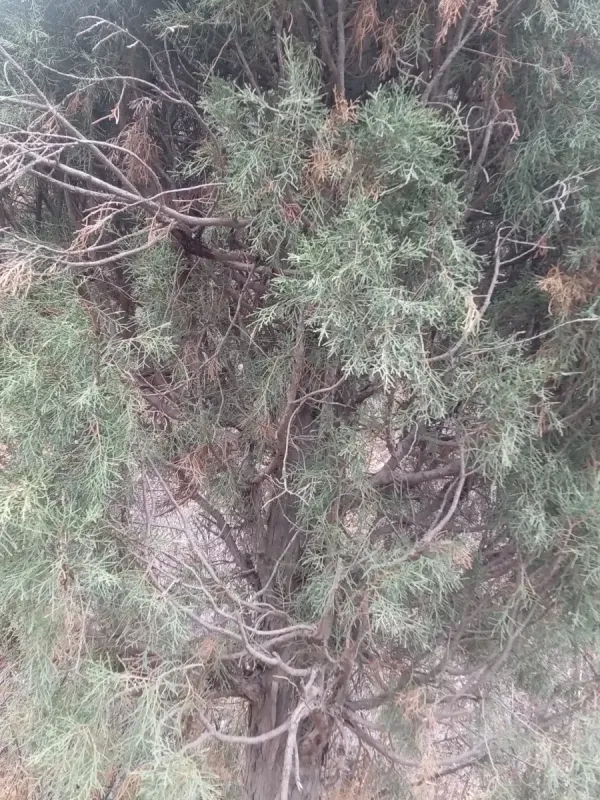
Juniperus semiglobosa is a member of the Cupressaceae family. It is a slow-growing evergreen conifer that typically features a rounded or spreading habit, making it a distinct specimen for rocky landscapes and alpine-style gardens in its native range.
The plant originates from the high-altitude mountainous regions of Central Asia, specifically the Tian Shan and Pamir-Alai ranges. It is naturally adapted to withstand extreme environmental stress, including high solar radiation, thin soils, and significant seasonal temperature fluctuations.
Botanically, it is distinguished by its scale-like leaves and its dioecious nature, meaning male and female cones are produced on separate plants. The female cones, often referred to as berries, are fleshy and turn dark blue or black upon maturity, providing seasonal aesthetic value.
Cultivation requires full sun exposure to maintain the characteristic compact shape and dense foliage coloration. It is highly intolerant of waterlogged soil conditions, so planting sites must have excellent drainage, ideally mimicking the gritty, alkaline conditions of its native mountain habitats.
Agricultural management for this species is relatively straightforward due to its inherent hardiness. Minimal pruning is required; however, formative pruning can be performed in early spring to encourage density if the plant is being utilized for formal landscaping or specific design themes.
Main diseases and pests
The primary health threats to Juniperus semiglobosa are fungal pathogens, specifically those causing needle blight or rust. Maintaining adequate spacing between plants to ensure good air circulation is the most effective cultural method to reduce the risk of infection.
Pest issues often involve sucking insects like spider mites or scale insects, which can weaken the tree by feeding on sap. Integrated pest management, including regular monitoring and the use of horticultural oils, is recommended to manage populations without damaging the plant's natural foliage.