
Helichrysum splendidum
Helichrysum splendidum
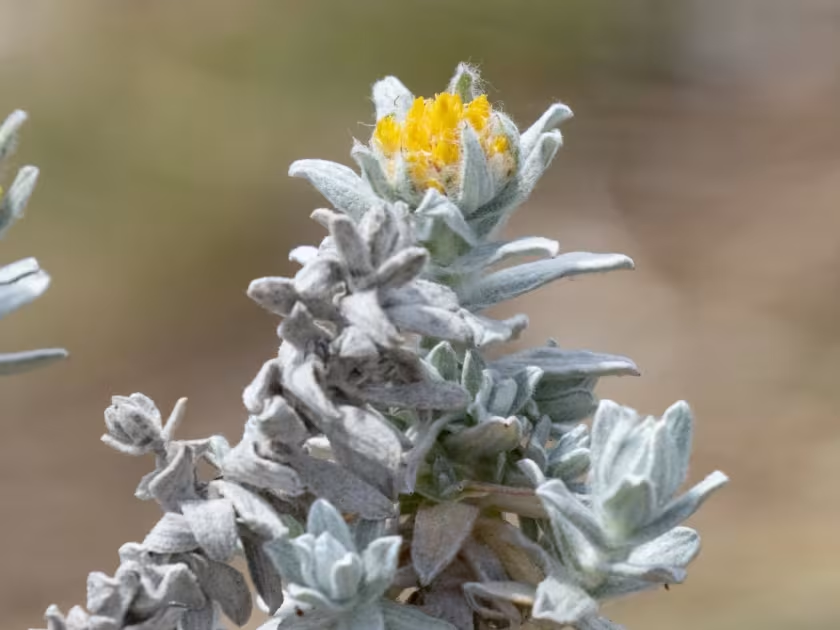
Description
Sowing dates
Helichrysum splendidum is a perennial subshrub belonging to the Asteraceae family, valued for its silver-toned foliage and essential oil production. Sowing is typically performed in early spring, once the soil has warmed sufficiently to ensure rapid germination.
Seeds are extremely small and should be sown on the surface of well-drained, light soil mixtures. Using trays for initial propagation is highly recommended to control moisture levels before transplanting the seedlings into the field at a spacing of 40-50 cm.
Growing requirements
This species is highly drought-tolerant and thrives in full sun exposure. It requires lean, well-draining soils with a neutral to slightly alkaline pH, mirroring its natural high-altitude, mountainous habitat where drainage is naturally excellent.
Adequate air circulation is essential for the health of the plant, as stagnant air and high humidity can lead to fungal issues. In temperate regions, it is crucial to protect the crown of the plant from excessive winter moisture, which is the most common cause of plant failure.
Soil nutrient levels should be managed carefully; too much nitrogen will encourage overly soft growth that is susceptible to winter kill. Sandy or gravelly soil types are ideal for maintaining the plant’s compact structure and intense silvery leaf coloration.
Yield
The economic potential of this crop lies in its essential oil extraction and its use in the dried flower market. Regular pruning throughout the growing season helps maintain plant vigor and increases the number of flowering stems available for harvesting.
Main diseases and pests
Root rot is the primary threat to Helichrysum splendidum, usually resulting from heavy soils or poor site drainage. Preventive measures include incorporating sand or gravel into the planting site and ensuring the base of the plant remains dry.
Pests like aphids and spider mites can occasionally affect the plants, particularly during dry, hot spells. Sustainable pest management, involving neem oil or biological controls, is preferred to maintain the quality of the essential oil and the environmental safety of the crop.
Harvesting
For ornamental or commercial use, harvest should occur when flower buds are firm but not fully expanded. Cut stems should be harvested in the morning after dew has evaporated, then air-dried in a dark, well-ventilated space to preserve their structure and color.