
Panormitan immortelle
Helichrysum panormitanum Tineo ex Guss.
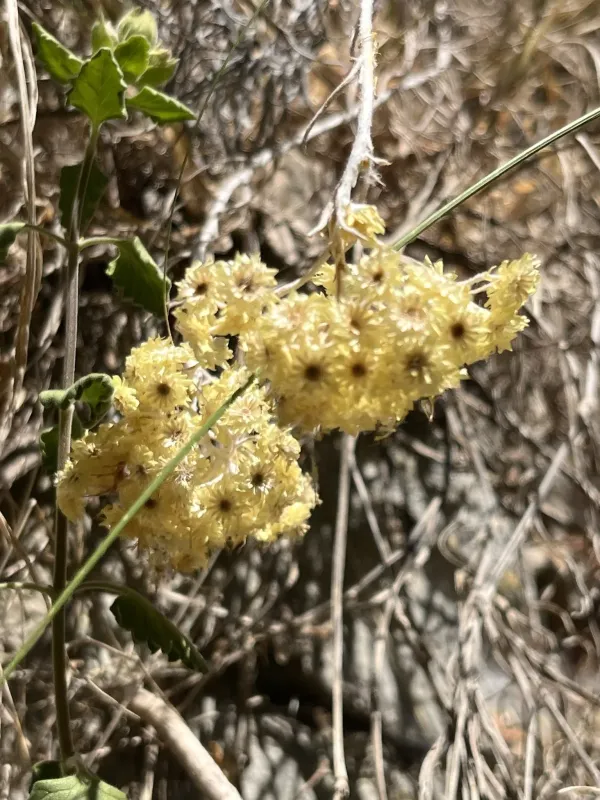
Description
Sowing dates
Sowing seeds of the Panormitan immortelle in temperate climates is recommended for late winter or early spring in a greenhouse or indoor environment. Use seedling trays filled with a light, well-draining substrate for best results.
When cultivating the species through direct sowing in open fields, seeds should only be planted after the soil has warmed sufficiently, ensuring that the risk of nocturnal frosts has completely passed.
Seed depth should be minimal, as the seeds of this genus require adequate exposure to light to trigger the germination process effectively.
Optimal germination temperatures range from 18 to 22 degrees Celsius, with seedlings typically emerging between two to three weeks after sowing, at which point supplementary lighting is beneficial to prevent leggy growth.
Transplanting seedlings to their final location is carried out at the 4–5 true leaf stage, with a spacing of at least 30–40 centimeters between plants to ensure sufficient airflow.
Growing requirements
The Panormitan immortelle is a quintessential Mediterranean plant that thrives in sunny, open locations with direct access to intense light throughout the growing season.
Soil requirements are strict, as the plant cannot tolerate waterlogged conditions; therefore, sandy, loamy, or rocky soils with excellent drainage are absolutely necessary for survival.
While the species exhibits high drought resistance, a moderate and consistent watering regime during the active vegetative growth phase is essential for producing high-quality flower heads.
The plant is highly sensitive to excessive organic fertilization, which can trigger unwanted vegetative proliferation at the expense of flower production; mineral supplements should be applied sparingly during budding.
An optimal pH range for this species falls between slightly acidic and neutral, which facilitates the efficient uptake of essential microelements from the soil structure.
Yield
The commercial value of this culture lies primarily in the production of high-quality dried raw materials, highly sought after in both the floral industry and cosmetic manufacturing.
Yield metrics for flower heads are directly correlated with the intensity of solar radiation and the maintenance of appropriate soil moisture levels during the formation of reproductive organs.
Under professional agricultural conditions, the average harvest yield can reach several tons of dried weight per hectare, provided that proper planting density is maintained.
Technological care practices, such as precise pruning and nutrient management, are vital to extending the active flowering period and maximizing the number of blossoms per individual plant.
Plantation productivity usually begins to decline after 4 to 5 years, necessitating periodic rejuvenation or crop rotation to maintain stable yields over the long term.
Main diseases and pests
The primary threat to the Panormitan immortelle in high-humidity or poorly drained conditions is the development of fungal root diseases, particularly root rot and Fusarium wilt.
Maintaining a clean field environment and practicing timely weeding are critical steps to prevent pathogen spread and reduce competition for limited nutrients and light.
High relative humidity can also encourage the development of powdery mildew on the foliage, which severely degrades both the decorative and medicinal quality of the harvested material.
Pests such as aphids and spider mites represent the most significant threat, often attacking young shoots and buds during hot, dry periods when the plants are under stress.
Proactive disease management involves strict adherence to crop rotation, the use of certified pathogen-free seeds, and the design of planting patterns that maximize natural air circulation.
Harvesting
Harvesting the Panormitan immortelle must occur strictly during dry, sunny weather in the middle of the day when atmospheric humidity is at its lowest and essential oil content is highest.
Flower heads are gathered in the late budding phase, just before full bloom, to ensure the blossoms retain their shape and vibrant coloration throughout the drying process.
Harvested stems are tied into small bunches and hung upside down in shaded, well-ventilated areas to ensure uniform and slow drying over a period of 7 to 10 days.
It is strictly prohibited to expose drying flowers to direct sunlight, as this causes significant pigment degradation and leads to a loss of commercial aesthetic value.
Properly dried material should maintain natural structural integrity and color, with stems remaining sufficiently pliable for intricate use in professional floral and interior designs.