
Helichrysum arenarium
Helichrysum arenarium (L.) Moench
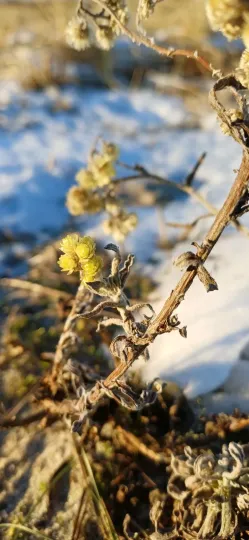
Description
Sowing dates
Helichrysum arenarium is a perennial herbaceous plant belonging to the Asteraceae family. The seeds are extremely small, which requires careful site preparation and strict control over sowing depth for successful germination.
The optimal time for direct sowing in the field is early spring as soon as the soil warms up to at least 10 degrees Celsius. In commercial settings, starting plants from seedlings in greenhouses is often preferred for better survival.
During sowing, seeds should be only lightly pressed into the soil without covering them with a thick layer, as they require sunlight to germinate effectively. Seedlings usually emerge within 14 to 20 days.
In the first year of growth, the plant develops a rosette of basal leaves and establishes its root system. Active stem formation and transition to the commercial harvest phase typically begin in the second year.
The planting pattern must ensure sufficient space for each bush to thrive: an optimal inter-row spacing is 45–60 centimeters with a distance of 20–25 centimeters between individual plants.
Growing requirements
This crop is strictly photophilous and requires full sun exposure. Any significant shading leads to a reduction in the concentration of active medicinal compounds within the inflorescences.
Helichrysum arenarium prefers light, sandy, or sandy-loam soils with low humus content. Heavy clay soils that tend to retain moisture are detrimental to the crop due to the high risk of root rot.
The plant exhibits high drought resistance and cannot tolerate waterlogging. It is crucial to select sites with a deep water table to prevent rot caused by excessive soil humidity.
The ideal soil pH for successful cultivation ranges from 5.5 to 7.0. The crop does not require heavy organic fertilization but responds well to mineral supplementation during the budding stage.
Field management includes regular inter-row cultivation and weeding, particularly during the first year, as the young plants grow slowly and can be easily outcompeted by aggressive weeds.
Yield
Yields of Helichrysum arenarium inflorescences depend heavily on the age of the plantation and the soil management practices. At peak productivity (years 3–4), it can yield 5–8 centners of dry material per hectare.
The productive life of a commercial plantation is generally 4–5 years. After this period, plants begin to age, flowering intensity drops, and the area is usually cleared for crop rotation.
A critical factor affecting total production volume is the timing of the harvest. Delaying the harvest results in a loss of visual quality due to the shedding of flowers from the heads.
The quality of the raw material is determined by the content of flavonoids and essential oils. With proper care, the plantation ensures a stable high yield that meets pharmaceutical standards.
To boost productivity, it is recommended to perform rejuvenating pruning and ensure timely application of phosphorus-potassium fertilizers at the start of the spring season.
Main diseases and pests
Fungal diseases are the most serious threat, especially under humid conditions. Powdery mildew and various types of root rot are particularly hazardous to the crop's health.
During prolonged rainy periods, plants may be affected by gray mold, which spreads rapidly through the inflorescences and renders the harvest unsuitable for pharmaceutical processing.
Common pests include aphids and spider mites. These insects damage young leaves and buds by sucking plant sap, which suppresses the plant's overall vigor and yield.
For pest and disease control, preventive spraying with biological agents and fungicides is applied, with strict adherence to pre-harvest intervals for safety.
Crop rotation is a vital preventive measure. It is strongly advised not to replant Helichrysum arenarium on the same field for at least 5–6 years to prevent the buildup of soil-borne pathogens.
Harvesting
The harvest should take place during the mass flowering phase, but before the side flower heads open and the petals begin to shed. Late harvest leads to loose heads that lack high market value.
Inflorescences are cut with a stem length of no more than 1–2 centimeters. Harvesting is usually done manually or with small mechanical harvesters during dry, sunny weather conditions.
Collected material must be sent for drying immediately. Freshly cut flower heads should never be left in piles, as they heat up rapidly and discolor, losing their active components.
Drying is performed in specialized dryers at 40–45 degrees Celsius or in well-ventilated, shaded areas. The material should be spread in a thin layer on paper or racks for drying.
Finished raw material is stored in dry, dark, and well-ventilated locations in paper or cloth bags. Properly dried Helichrysum arenarium has a shelf life of up to three years.