
Helichrysum amorginum
Helichrysum amorginum Boiss. & Orph.
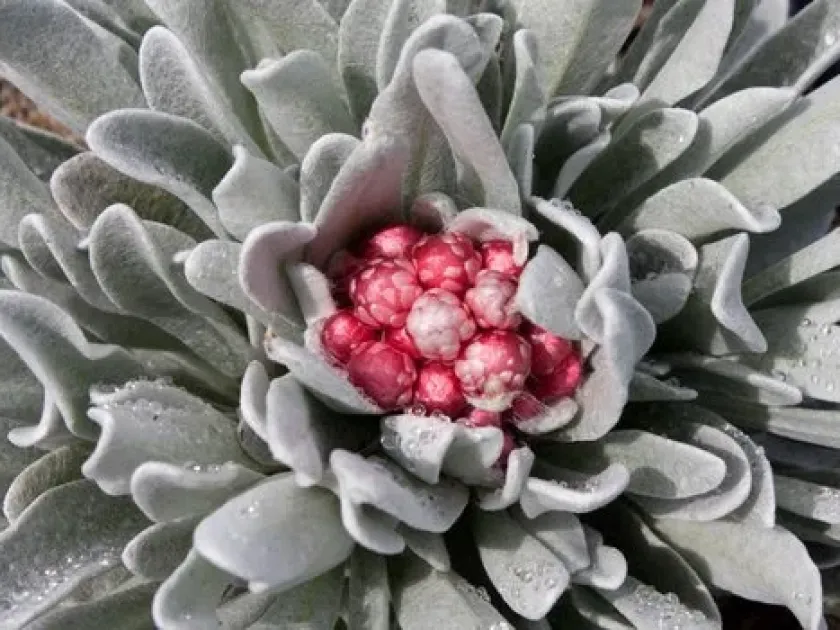
Description
Sowing dates
Sowing Helichrysum amorginum in a horticultural setting is typically carried out using a seedling method. The optimal time for starting is late winter or early March, which allows the plants to establish strength before being transplanted outdoors.
Seeds are sown in a light, well-draining substrate without covering them too deeply, as the plant requires light to germinate properly. Seed trays should be kept in a warm environment with temperatures around 20–22 degrees Celsius.
Pricking out the seedlings is necessary once the first pair of true leaves develops. Moving them into individual pots is a crucial step for developing a robust root system capable of enduring arid conditions later in the season.
Hardening off the seedlings before moving them to their permanent location is a mandatory agricultural procedure. This process should start two weeks before transplanting, gradually acclimating the young plants to direct sunlight and fluctuating night temperatures.
Planting in open ground should only occur after the risk of late spring frosts has completely passed. The plant thrives best in sunny areas sheltered from strong winds, where water drainage is efficient and waterlogging is strictly avoided.
Growing requirements
Helichrysum amorginum, native to the mountainous regions of Greece, has specific requirements for cultivation. As a member of the Asteraceae family, it is exceptionally xerophytic, making it an ideal candidate for rock gardens and dry landscaping.
The soil must be as close as possible to the plant's natural habitat: poor, sandy, or stony with excellent drainage. Excessive organic matter and water retention are detrimental to this species and will lead to rapid root decline.
The plant requires high levels of sun exposure throughout the entire vegetation period. If light levels are insufficient, the stems will become leggy and lose their dense, hairy texture and characteristic silvery-white leaf appearance.
Climate preferences include moderately hot summers and dry autumn conditions. During winter, the plant requires protection from excessive moisture; if temperatures drop below freezing, it should be kept in a dry area to prevent rotting caused by high humidity.
Agricultural maintenance is minimal. Watering should be infrequent, performed only during extreme drought periods shortly after planting. Fertilization is generally unnecessary, as excess nitrogen promotes weak growth and reduces the plant's natural aesthetic appeal.
Main diseases and pests
Excessive humidity in both air and soil is the primary threat to Helichrysum amorginum. Fungal diseases such as root rot and phytophthora develop rapidly in stagnant water conditions, necessitating strict control over soil drainage.
Insect pests rarely cause significant damage to this culture due to the presence of specific essential oils and dense foliage pubescence. However, in greenhouse conditions or dense plantings, aphids can occasionally infest the plants.
Disease prevention consists of adhering to a strict watering regime and ensuring high-quality air circulation around the plants. Sanitary pruning of damaged or dead parts helps reduce the risk of infection spread.
It is important to ensure that lower leaves do not come into direct contact with wet soil. Mulching the area around the plants with fine gravel helps prevent rot development and mimics the natural soil conditions for the root system.
In case of pest infestation, only environmentally safe preparations should be used. It is vital to avoid harsh chemical insecticides to maintain the specific ecosystem and beneficial flora characteristic of this Mediterranean species.
Harvesting
Harvesting Helichrysum amorginum inflorescences for dried flower production is performed during the semi-bloom phase. At this stage, the buds possess maximum density and retain their aesthetic appeal long after they have completely dried.
Harvesting is recommended during dry, sunny weather after the morning dew has completely evaporated. Damp inflorescences are prone to quick spoilage and color loss, making the drying process more difficult and less efficient.
Cut stems should be bundled into small bunches and hung upside down in a dark, well-ventilated room. Avoiding direct sunlight during the drying process is key to preserving the natural silvery foliage and the vivid color of the petals.
The drying process typically lasts between one to two weeks, depending on the ambient humidity. The raw material is considered ready when the flower head feels rigid and lacks any tactile moisture.
Once dried, the products should be stored in a dry, dust-free environment protected from insects. Helichrysum is highly valued in floral design for its ability to create durable, long-lasting arrangements that maintain their shape for many years.