
Licorice plant
Helichrysum petiolare Hilliard & B. L. Burtt
Description
Growing requirements
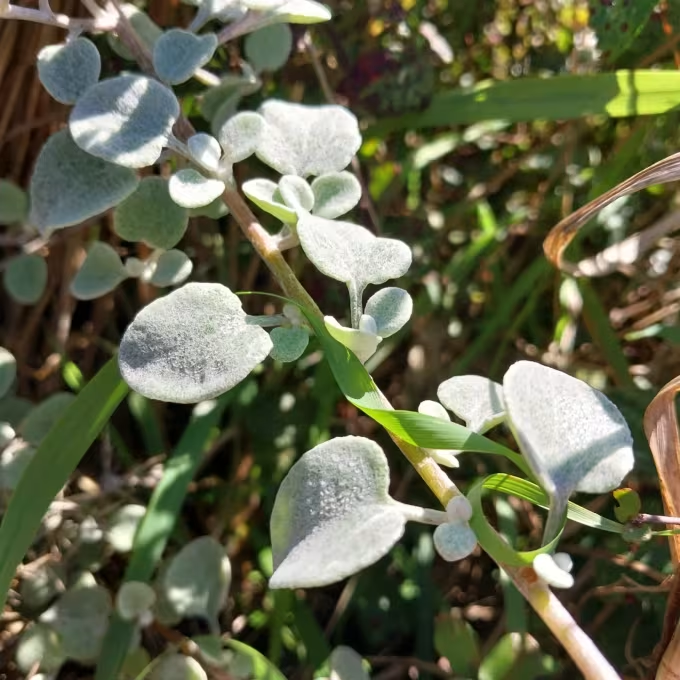
The Licorice plant (Helichrysum petiolare) is a perennial shrub belonging to the Asteraceae family. Native to South Africa, it is widely recognized for its beautiful, felt-like, silver-grey foliage which makes it a popular choice for borders and hanging baskets.
Botanically, the plant is characterized by its trailing habit and dense pubescence on leaves and stems. This adaptation allows the plant to thrive in dry, warm environments where it can conserve water effectively while reflecting harsh sunlight.
Successful cultivation requires full sun exposure. While the plant can tolerate light shade, it thrives best in direct sunlight, which enhances the intensity of its silver coloration and keeps the growth habit compact and dense.
Soil requirements are relatively specific: the plant demands excellent drainage. It performs best in sandy or loamy soils that do not hold excessive moisture. Heavy, compacted soils are detrimental and will quickly lead to root rot.
Regarding general maintenance, the Licorice plant is quite drought-tolerant once established. Regular pruning is essential to maintain the desired shape and size, as the stems can grow quite long throughout the growing season.
Main diseases and pests
The primary threat to the Licorice plant is moisture-related fungal disease. Overwatering or poorly drained soil almost inevitably results in root rot, which is often fatal to the plant if not addressed immediately.
Insect pests, including aphids and spider mites, can cause damage, especially in greenhouse environments or during periods of heat stress. These pests primarily target the soft, growing tips of the stems.
To prevent disease outbreaks, it is crucial to ensure good airflow around the plants. Avoiding overhead watering reduces the risk of leaf spot and other fungal infections that thrive on damp foliage.
Integrated pest management should be used if infestations occur. This includes manual removal for minor issues or the application of appropriate insecticides or horticultural oils for more severe outbreaks.
Vigilance is key to maintaining a healthy crop. By ensuring proper soil structure and a balanced irrigation schedule, gardeners can successfully mitigate most common threats to this decorative species.