
Italian hybrid everlasting
Helichrysum panormitanum x doerfleri x italicum
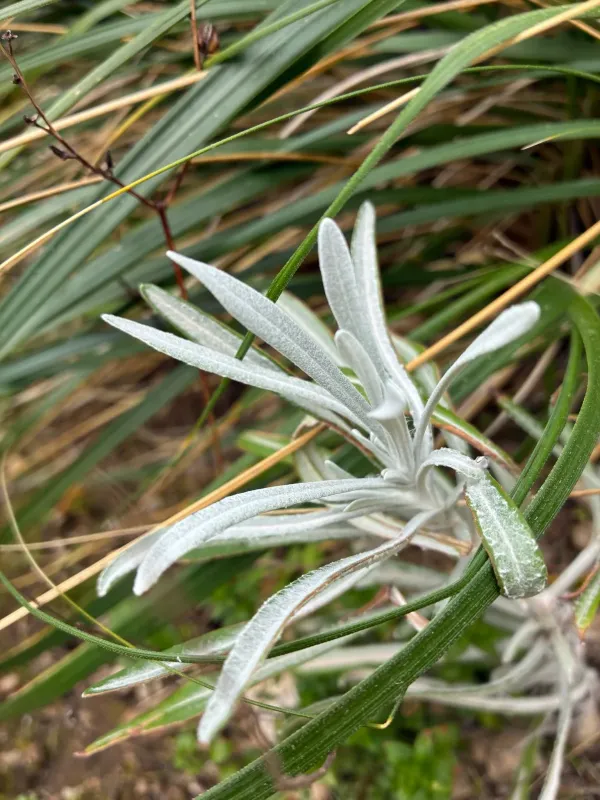
Description
Sowing dates
The cultivation of Italian hybrid everlasting begins with seed sowing in controlled greenhouse environments during late winter to ensure strong seedling development before the spring planting season.
Direct seeding in the field is possible in regions with mild winters, provided the soil is finely tilled and sufficiently warmed to at least 15–18 degrees Celsius to facilitate germination.
Because the seeds are extremely small, they require surface sowing with only a light covering of fine substrate to prevent drying while allowing enough light exposure for successful emergence.
Uniform soil moisture must be maintained during the first three weeks post-sowing, as the seeds are highly sensitive to sudden dehydration during the initial germination phase.
Transplanting into the field is best performed once the seedlings have reached sufficient biomass and are hardened off, typically ensuring a spacing of 50–70 cm between rows for optimal growth.
Growing requirements
This hybrid, belonging to the Asteraceae family, is a sun-loving plant that thrives in open, exposed locations where it receives maximum solar radiation throughout the day.
Italian hybrid everlasting is highly adapted to well-drained, nutrient-poor, sandy or stony soils, making it an excellent candidate for agricultural land unsuitable for traditional cash crops.
The plant demonstrates superior drought tolerance, being capable of surviving and producing high-quality essential oil even in regions with minimal annual rainfall and intense summer heat.
Soil water management is crucial; although it requires water for growth, the plant is extremely susceptible to root rot if water stagnates, necessitating excellent soil structure and drainage.
Low fertilizer requirements characterize the crop, as excessive nitrogen input leads to excessive vegetative growth, which can dilute the concentration of essential oils in the harvested flowers.
Yield
Yield stability in Italian hybrid everlasting fields is usually reached from the second year onwards, with the plantation remaining productive for several years under proper management.
Harvesting typically yields between 2 and 5 tons of fresh aerial biomass per hectare, depending on local environmental conditions and the specific hybrid variety’s genetic potential.
The economic value of the crop is driven by the production of essential oil, with the highest quality oils obtained when harvesting coincides with the peak of floral maturity.
Proper field management, including the removal of dead tissue and pruning, helps maintain high productivity levels and encourages continuous blooming throughout the growing season.
Yield optimization is achieved through precision farming techniques that focus on plant density, weed management, and the timing of flower collection to maximize oil content per unit area.
Main diseases and pests
Fungal diseases, including Botrytis and root rot, represent the most significant threat to the health of the plantation, especially during seasons characterized by high humidity and poor ventilation.
Pest management should focus on early detection of aphids and spider mites, which can cause significant damage to the floral heads if allowed to reach high population densities.
Implementing a strict crop rotation schedule is essential to prevent the accumulation of soil-borne pathogens and to maintain long-term soil fertility and field health.
Cultural control methods, such as maintaining optimal plant spacing, are the first line of defense against disease, as they improve air circulation and help foliage dry quickly after rain.
Biological pest control agents are preferred over chemical pesticides to maintain the chemical purity of the essential oils, which are highly valued in the natural cosmetics industry.
Harvesting
The timing of the harvest is critical, as the chemical composition and the quantity of essential oil fluctuate significantly depending on the maturity stage of the flower heads.
Harvesting is performed during the peak bloom period, when the majority of flowers are fully open but before they begin to lose their vibrant yellow color and aromatic strength.
Mechanical harvesting using specialized mowers is becoming the standard for large-scale operations, allowing for rapid collection during the narrow window of peak oil accumulation.
Post-harvest processing involves rapid drying in controlled environments with temperatures maintained below 40 degrees Celsius to prevent the degradation of volatile essential compounds.
Proper storage in airtight, dark containers is necessary to preserve the essential oil profile, ensuring the final product meets the high-quality standards required by the perfume industry.