
Delavay's Tree Peony
Paeonia delavayi Franch.
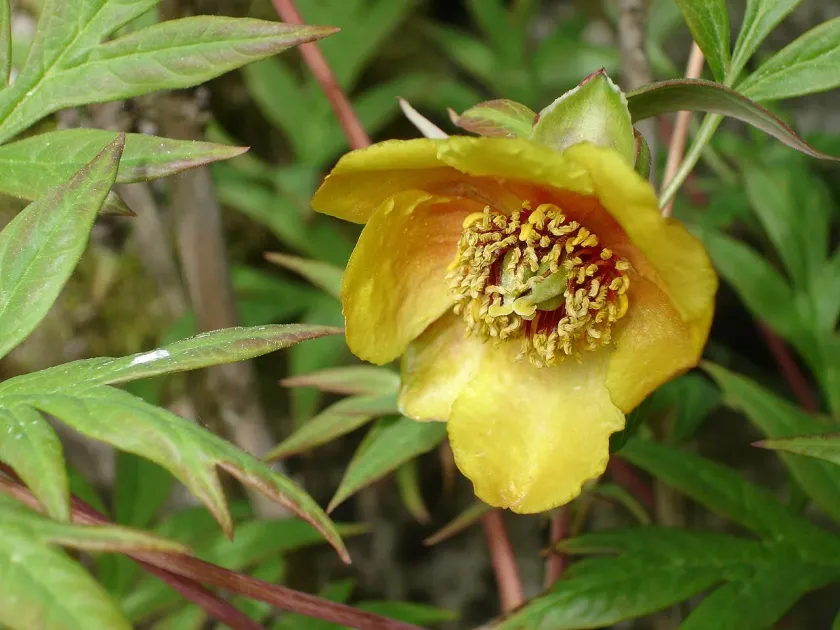
Description
Sowing dates
Propagation of Paeonia delavayi is primarily achieved through seed sowing or division of established rootstocks. Seeds possess a deep dormancy and typically require a period of cold stratification to germinate successfully.
Autumn is the ideal time for sowing seeds in the open ground, allowing them to experience natural winter temperatures. Container-grown seeds should be kept in a cold frame to simulate natural seasonal changes.
Division should be undertaken in late summer or early autumn when the plant enters dormancy. This timing allows the root system to recover and establish new feeder roots before the ground freezes.
Site selection is critical as Delavay's peonies are long-lived perennials that resent disturbance. Choose a location where the plant can remain undisturbed for many years to come.
When planting, ensure a spacing of at least one meter between specimens. This allows for healthy growth and reduces competition for nutrients and moisture within the garden bed.
Growing requirements
Delavay's tree peony is a species within the Paeoniaceae family, notable for its semi-woody habit. Native to the mountainous regions of Yunnan and Tibet, it thrives in environments with cool to moderate climates.
The plant requires deep, fertile, and well-drained soil. It is particularly sensitive to waterlogged conditions, which can lead to root rot; therefore, providing a good drainage layer is essential for success.
While the species prefers sunny aspects, it benefits from light shade in regions with intense summer heat. This protects the delicate petals and foliage from scorching during the peak of the day.
Soil pH should ideally be neutral or slightly alkaline. Incorporating well-rotted organic matter into the planting hole improves soil structure and nutrient availability, promoting vigorous growth.
Maintenance involves routine watering during prolonged dry spells, ensuring the moisture reaches the deeper roots. Mulching around the base helps retain soil moisture and suppresses weed competition.
Main diseases and pests
Botrytis blight (gray mold) is the most prevalent fungal disease affecting these peonies, especially during damp and humid weather. It typically causes wilting of stems and bud blast.
Powdery mildew can manifest as a white dusting on leaves during late summer. Maintaining good air circulation between plants is the most effective cultural method to prevent this condition.
Root-knot nematodes are significant pests that cause swellings on the roots and hinder the plant's nutrient uptake. Infested plants show stunted growth and should be removed carefully.
Aphids frequently colonize the tender tips and buds, potentially transmitting viruses and causing distortion. Horticultural soaps or systemic insecticides can be used if infestations become severe.
- Proper sanitation by removing diseased foliage.
- Avoiding overhead irrigation to keep leaves dry.
- Monitoring for pests during the early spring growth phase.