
Chinese peony
Paeonia lactiflora x Paeonia x lemoinei Rehder
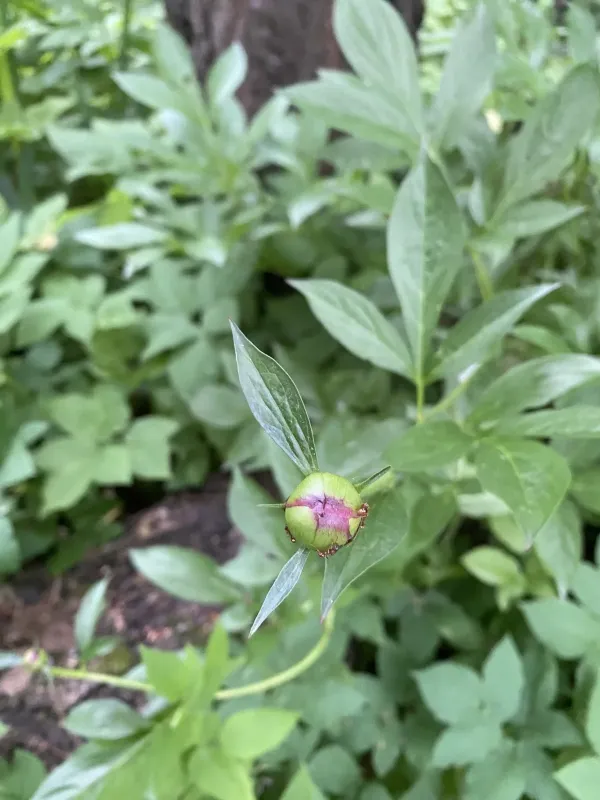
Description
Growing requirements
The Chinese peony (Paeonia lactiflora) is a herbaceous perennial belonging to the Paeoniaceae family. Originating from East Asia, this species has been the primary genetic source for most modern garden peonies, valued for their impressive blooms and robustness in various climates.
For successful cultivation, the plant requires a location with full sun and protection from strong winds. It prefers deep, nutrient-rich, and well-drained loamy soils. Proper soil structure is essential, as poor drainage is the primary cause of root rot in this species during the dormancy period.
The plant is highly winter-hardy and thrives in temperate regions without special winter protection. During the planting process, it is critical to ensure that the crown buds are positioned at the correct depth of about 3-5 centimeters below the soil surface to encourage vigorous growth and flower production.
Agricultural management involves regular weeding, moderate irrigation during the budding phase, and strategic fertilization. Applying balanced fertilizers after the flowering season helps the plant store energy in the rootstock, which is vital for the following year's performance and bloom quality.
In terms of economic use, the Chinese peony is a staple of the floral industry and landscape architecture. Its ability to thrive for decades in a single location makes it a highly sustainable choice for professional cut-flower farms and high-value residential landscaping projects.
Main diseases and pests
Botrytis blight (gray mold) is the most significant disease affecting Paeonia lactiflora, especially in damp conditions. It can cause stems to wilt and buds to fail to open, necessitating the use of fungicides and ensuring good air circulation around the plants.
Common pests include aphids, scale insects, and sometimes nematodes that affect the roots. An effective integrated pest management strategy includes monitoring for early signs of infestation and maintaining garden hygiene to prevent the overwintering of pathogens and insects.
Harvesting
For commercial use, cut flowers are harvested at the "soft bud" stage. This ensures they reach the consumer in perfect condition and have the maximum vase life. It is recommended to cut in the early morning when the plant is most turgid.
Post-harvest care involves leaving at least one-third of the foliage intact during the growing season to support the plant's health. In late autumn, after the first hard frost, the entire foliage is cut back to ground level and removed to mitigate the risk of disease carryover.