
Paeonia obovata
Paeonia obovata Maxim.
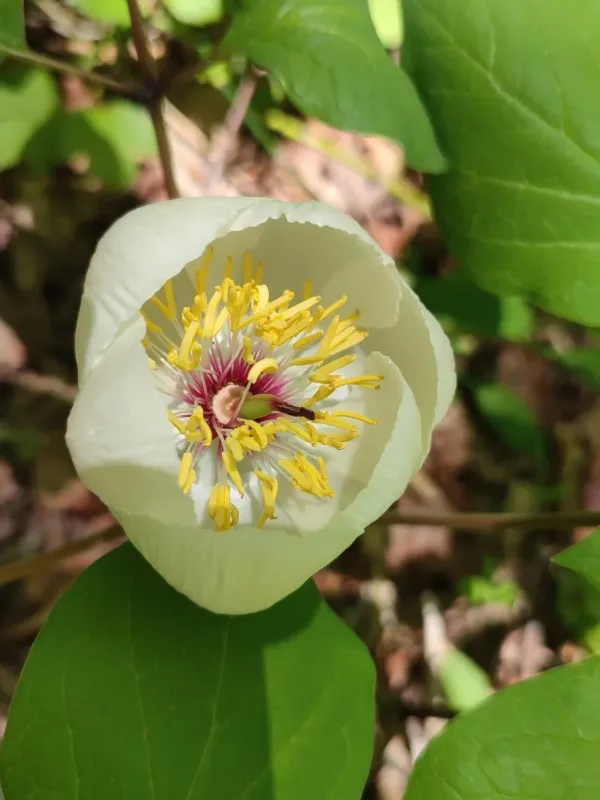
Description
Sowing dates
The propagation of Paeonia obovata is primarily achieved through seeds sown in autumn, as they require a complex stratification process to break dormancy effectively.
Seeds should be sown in loose, well-draining soil at a depth of 3 to 5 centimeters to ensure the embryo is protected while experiencing the necessary temperature cycles.
In a nursery setting, the seeds can be kept in containers with a moist medium and subjected to alternating warm and cold periods to trigger germination in the following spring.
Vegetative propagation via root division is an alternative method performed during the late summer dormancy period, ensuring each division contains healthy buds and roots.
Establishing new plants from seed is a long-term process, with seedlings often taking several years to reach maturity and produce their first flowering stems.
Growing requirements
Paeonia obovata is a shade-loving species that thrives in dappled light conditions, making it an ideal candidate for woodland gardens and sheltered garden areas.
The plant requires deep, fertile, and humus-rich soil with excellent drainage to prevent root rot, which is a common issue in heavy clay environments.
Maintaining a neutral to slightly acidic soil pH is crucial for the optimal uptake of nutrients, ensuring the plant develops strong foliage and abundant flowers.
As a forest-dwelling species, it benefits from a layer of organic mulch that mimics natural leaf litter, helping to retain soil moisture and regulate ground temperature.
While hardy and tolerant of cold climates, young plants should be protected from extreme drying winds during their first few years of development in the field.
Main diseases and pests
Botrytis blight is the most significant disease affecting Paeonia obovata, particularly in humid or stagnant air conditions that encourage fungal spread on stems.
Root rot caused by Phytophthora species can occur if the soil remains waterlogged for extended periods, highlighting the necessity of proper drainage management.
Common pests include aphids that feed on young foliage and flower buds, as well as occasional infestations of spider mites in particularly dry and hot seasons.
To minimize disease pressure, practitioners should focus on proper spacing to improve air circulation and promptly remove any infected plant tissues during the season.
Integrated pest management strategies are recommended, focusing on biological controls and environmental management before resorting to chemical interventions.
Harvesting
Harvesting the roots for medicinal or research purposes is conducted on mature specimens, typically 5 to 7 years after planting, to ensure proper substance concentration.
The harvesting window occurs in the autumn once the foliage has naturally faded, marking the plant's entry into winter dormancy and stabilizing its internal chemistry.
Once lifted, the roots are washed, trimmed of lateral fibers, and sorted by size to standardize the processing stages required for high-quality botanical extract production.
Drying is performed in controlled environments with temperatures maintained below 50 degrees Celsius to avoid heat-related degradation of sensitive phytochemicals.
Once dried, the roots must be stored in a dry, dark, and well-ventilated space, as moisture is the primary enemy of stored botanical herbal materials over time.