
Common peony
Paeonia officinalis L.
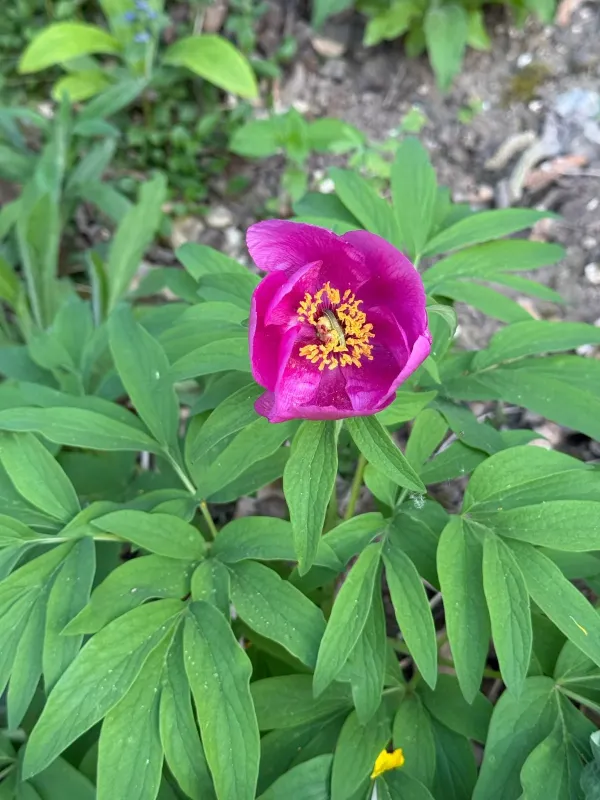
Description
Sowing dates
Propagation of the common peony is primarily performed by dividing rhizomes in late summer or early autumn. This timing allows the plant to establish roots before the winter frost begins.
When planting, it is crucial to position the rhizomes so that the growth buds are no more than 5 to 7 centimeters deep. Planting them too deep will result in a lack of flowers for several years.
Seeds can be used for propagation, though this is rarely done in commercial agriculture due to the very slow growth rate. Seedlings often require several years of development before they reach their first flowering stage.
Spacing is a critical factor for plantation health; it is recommended to maintain a distance of at least 60–80 centimeters between individual plants. This ensures proper airflow and prevents mold development.
The chosen site must receive plenty of sunlight, ideally in an area protected from strong winds. While they can tolerate light shade, full sun promotes the most vigorous growth and flowering performance.
Growing requirements
The common peony belongs to the Paeoniaceae family and is a robust herbaceous perennial. It is native to the mountain regions of Southern Europe, where it thrives in cool, well-drained habitats.
This plant prefers deep, fertile, loamy soils with a neutral pH level. Proper drainage is the single most important soil requirement, as stagnant water is fatal to the root system and leads to rot.
Organic matter, such as well-rotted compost, should be incorporated into the soil before planting. Regular feeding with balanced fertilizers supports the plant during its active spring growth phase.
Paeonia officinalis is extremely cold-hardy, making it suitable for regions with harsh winters. In areas with little snow cover, a layer of mulch is beneficial to insulate the crown and buds.
Adequate watering is essential during the budding and flowering periods. However, soil moisture should be managed carefully to ensure the soil remains moist but never waterlogged at any time.
Main diseases and pests
Botrytis, or gray mold, is the most common threat to peonies, particularly during periods of high humidity. It attacks stems and buds, requiring the immediate removal of all affected plant parts.
Powdery mildew can affect the foliage in late summer, causing a white dusty appearance. Good sanitation and the use of appropriate fungicides help maintain the plant's health throughout the season.
Root-knot nematodes are a significant pest for the root system, often introduced through poor-quality planting material. Crop rotation and using certified healthy rhizomes are the best preventative measures.
Aphids and thrips can cause damage to developing buds, leading to distorted flowers. Monitoring the plants during the spring and using organic or chemical insecticidal soaps will control these infestations.
Fall maintenance involves cutting all foliage to the ground after the first frost. This essential step prevents the overwintering of pathogens that could infect the plant in the following season.
Harvesting
The roots of the common peony are harvested for medicinal purposes, typically when the plant is 4 to 5 years old. The harvest is often performed concurrently with the division of the clumps.
After excavation, the roots are thoroughly cleaned of soil, washed in running water, and trimmed. The material is then dried in controlled conditions at a low temperature to preserve the active compounds.
When grown as an ornamental crop, the flowers are harvested at the "marshmallow" or "colored bud" stage. This ensures the longest possible vase life for the cut flowers in commercial trade.
Medicinal properties are derived from the chemical profile of the roots, which contain beneficial glycosides. Ensuring the purity of the harvested roots is essential for meeting pharmaceutical standards.
After the root harvest, the remaining mother plants require post-harvest care, including fertilization and light watering, to stimulate recovery and ensure the survival of the remaining rhizome divisions.