
Chinese peony
Paeonia lactiflora x Paeonia delavayi
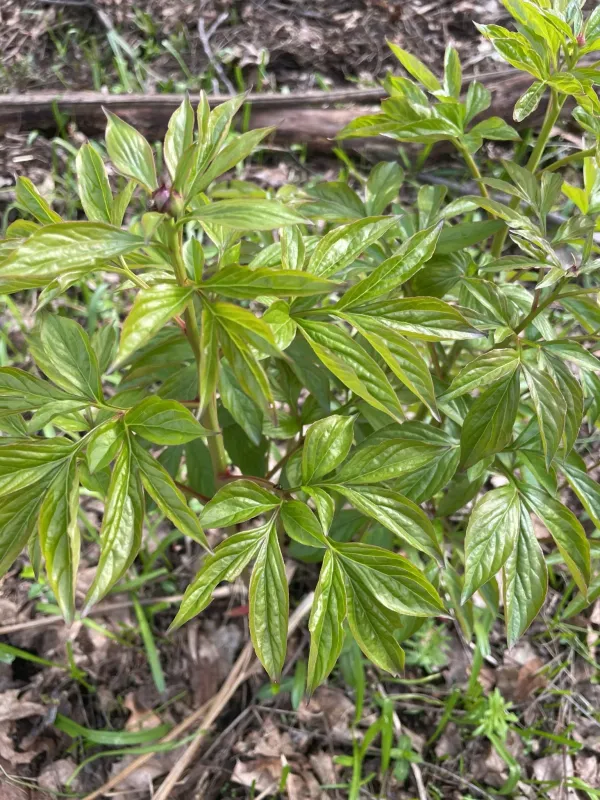
Description
Growing requirements
The Chinese peony (Paeonia lactiflora), belonging to the Paeoniaceae family, is a perennial herbaceous plant originating from Central and Eastern Asia. It is one of the most popular garden species due to its spectacular blooms and longevity.
This crop requires full sun exposure to thrive, although it can tolerate partial shade. Proper light levels are critical for bud development and preventing the stems from becoming leggy or weak.
It prefers deep, fertile, well-drained loamy soils. The pH level should ideally be neutral or slightly acidic. Poor drainage is the most significant limiting factor, often causing root rot in wet conditions.
Paeonia lactiflora is known for its cold hardiness. Once established, the plants can survive severe winters, as the dormant buds remain protected below the soil surface.
Cultural management involves regular weeding and ensuring sufficient space between plants to allow for good air circulation, which helps maintain overall plant vigor and health.
Main diseases and pests
Gray mold (Botrytis paeoniae) is the most destructive disease affecting these plants. It causes wilting of stems and rotting of buds, particularly during cool and damp spring seasons.
Powdery mildew and various leaf spot diseases are common occurrences that can significantly reduce the photosynthetic capacity of the foliage if not treated promptly.
Root-knot nematodes represent a serious threat, causing swellings on the roots and interfering with the plant's ability to take up water and nutrients from the soil.
Pest management includes monitoring for aphids, which often cluster on young stems and can transmit viral diseases or attract sooty mold.
Integrated pest management strategies, such as maintaining plant hygiene and using appropriate fungicides, are essential for sustaining high-quality peony plantations.