
Chinese peony
Paeonia lactiflora Pall.
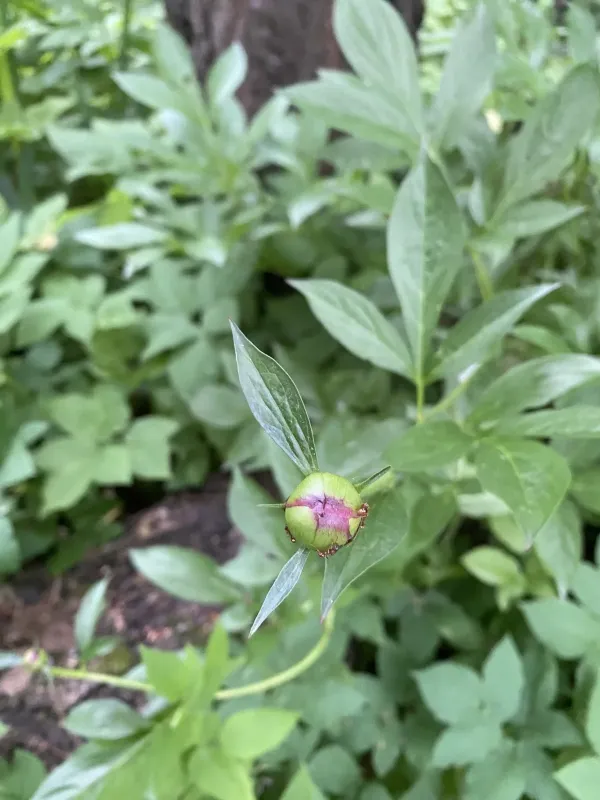
Description
Sowing dates
The propagation of Paeonia lactiflora in agricultural practice is primarily conducted through the vegetative division of the rootstock. The optimal window for this operation is late summer to early autumn, specifically from late August to mid-September, when the plant has finished its growth cycle and formed new vegetative buds.
Seed propagation is reserved mainly for breeding and cultivar development. The seeds possess a complex dormancy mechanism that requires long-term stratification, and the first flowering of seedlings typically occurs only between the fourth and sixth years of development.
For vegetative division, healthy plants aged 3–5 years are selected for their robust root systems. Each division must contain at least 3–5 healthy buds and a sufficient portion of the fleshy root to ensure a vigorous start in the following growing season.
Soil preparation should commence 2–4 weeks before planting. The soil must be deep-tilled to a depth of 40–50 cm, incorporating organic matter such as compost or well-rotted manure to provide a stable nutrient foundation for the perennial growth of the plant.
Planting depth is the most critical factor for success. The vegetative buds should be positioned 3–5 cm below the soil surface. Planting too deep leads to poor flowering, while planting too shallow risks winter injury and drought damage to the delicate buds.
##requirements##Paeonia lactiflora is a herbaceous perennial belonging to the Paeoniaceae family. Its native range extends across East Asia, including China, Mongolia, and the Russian Far East, where it typically inhabits forest clearings and grassy mountain slopes.
This crop thrives in open, sun-exposed sites sheltered from strong winds. Sufficient solar radiation is essential, as the plant requires long periods of daylight to accumulate the energy necessary for the rapid formation of large, high-quality flower heads.
The ideal soil profile consists of fertile, well-drained loamy soils. Good aeration is vital; the crop is highly sensitive to waterlogged conditions, which promote root rot and significantly compromise the health of the perennial root system.
Soil acidity should be maintained within a pH range of 6.0 to 7.0. If the soil is too acidic, liming is required to improve nutrient availability and minimize the incidence of fungal pathogens that frequently plague stressed plants.
The plant is highly cold-hardy, well-adapted to temperate climates. While the root system can survive extreme winter temperatures, young plantings benefit from a layer of mulch during the first winter to protect the soil from deep freezing and rapid fluctuations in temperature.
Yield
Commercial production of the Chinese peony focuses on high-quality cut flowers and the distribution of nursery-grown planting material. Mature plants can yield between 15 and 30 stems per season depending on the cultivar and level of cultural input.
Maintaining high yields over many years requires a strict fertilization program. Applications of balanced fertilizers are recommended during the bud initiation phase in spring, and a phosphorus-potassium blend should be applied after flowering to support next year's bud development.
Sustainability in yield is achieved by avoiding over-harvesting. It is recommended to leave at least 50 percent of the foliage on the plant after harvest to ensure that the root system has adequate photosynthetic capability to replenish energy stores for the winter.
Periodic rejuvenation of the plantation is essential. After 8–10 years of growth, the center of the rootstock often begins to decline in productivity. At this stage, the plantations must be dug up and the roots divided to maintain plant vigor and marketability.
In traditional medicine, the dried roots are used as a significant pharmacological raw material. Harvesting of the root mass is conducted in late autumn, following the natural senescence of the foliage, to ensure the highest concentration of bioactive compounds.
Main diseases and pests
Gray mold (Botrytis cinerea) represents the primary threat to this crop, especially under cool, damp conditions. This pathogen attacks the flower buds and stems, causing them to wilt and turn necrotic, requiring strict hygiene and proper plant spacing.
Rust diseases, caused by various fungal pathogens, appear as rusty-colored spots on the leaves, leading to premature defoliation. Preventive measures include the removal of dead leaves in autumn and the application of fungicides during the early stages of the growing season.
Root-knot nematodes pose a significant risk, causing galls on the root system that impair water and nutrient uptake. Infected plants show stunted growth and poor flower production and should be removed and destroyed to prevent spreading the infestation.
Aphids and ants are common pests that damage developing flower buds. While ants are often associated with the honeydew secretion of the buds, they can facilitate the entry of secondary fungal infections, necessitating pest management programs before the buds open.
Effective management relies on sanitation; eliminating debris at the end of the season drastically reduces the inoculum levels for the following year. Consistent monitoring during the early spring growth phase allows for early intervention before damage becomes severe.
Harvesting
Flower harvesting is performed at the "soft bud" stage, where the bud is fully colored and slightly soft to the touch, but the petals have not yet expanded. This ensures optimal vase life and durability during shipping and commercial transport.
Using sharpened and disinfected tools is mandatory to avoid transferring pathogens from one plant to another. Cuts should be clean, leaving a small stub above the remaining foliage to prevent rot from entering the root system through the cut stem.
Immediate post-harvest care involves moving the cut flowers to a cold storage facility maintained at 2–4 degrees Celsius. Proper temperature management is the key to maintaining flower quality during the interval between harvest and retail delivery.
For the pharmaceutical harvest, the roots are extracted, thoroughly washed to remove soil particles, and trimmed of fibrous lateral roots. The clean rhizomes are then sliced to facilitate uniform drying in temperature-controlled chambers.
The dried raw material must be stored in a dry, dark, and well-ventilated environment to prevent mold growth and insect damage. Regular inspections of the stored product are necessary to maintain the required standards for pharmaceutical use.