
Jishan peony
Paeonia jishanensis T. Hong & W. Z. Zhao
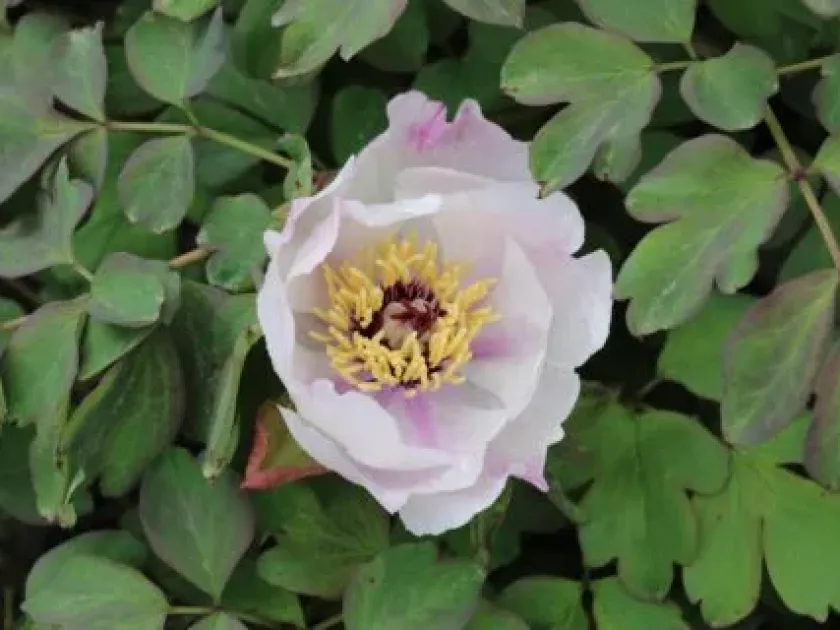
Description
Growing requirements
The Jishan peony (Paeonia jishanensis) is a perennial shrub belonging to the Paeoniaceae family. Originating from the mountainous regions of Shanxi province in China, this species is adapted to rocky substrates and specific alpine microclimates.
Cultivation requires well-drained, slightly alkaline soils. It is vital to avoid waterlogged conditions, as the root system of this peony is highly susceptible to decay if exposed to standing water for extended periods.
The species thrives in full sun but can tolerate partial shade in regions with intense summer heat. Proper light exposure is crucial for stimulating flower bud differentiation and ensuring long-term vitality of the shrub.
Agricultural management involves regular mulching to keep the root zone cool and hydrated. Fertilization should be balanced, focusing on potassium and phosphorus to support bloom production rather than excessive leafy growth.
Beyond its ornamental appeal, the Jishan peony serves as a valuable resource in peony breeding programs. It is prized for its genetic resilience, contributing to the development of robust cultivars suitable for various climate zones.
Main diseases and pests
Botrytis blight (gray mold) is the most prevalent fungal disease for this species. It typically attacks the leaves, stems, and flower buds, particularly during cool and humid weather conditions throughout the spring.
Root rot, often caused by pathogens like Phytophthora, poses a significant risk to the plant's structural integrity. Ensuring a clean growing environment and good soil drainage are the primary defense mechanisms against these soil-borne threats.
Insect pests such as thrips and aphids are common challenges. These insects primarily target the soft, emerging tissues, potentially causing distortion and stunted growth of the new shoots.
Nematode infestations can occur in the root system, causing the plant to show signs of general nutrient deficiency or wilting despite adequate water supply. Soil management is essential to prevent such underground issues.
Integrated pest management strategies, including the removal of dead or infected foliage and the judicious use of fungicides or insecticides, are necessary to maintain the health and vigor of these peonies.