
Paeonia obovata
Paeonia obovata Maxim. subsp. obovata
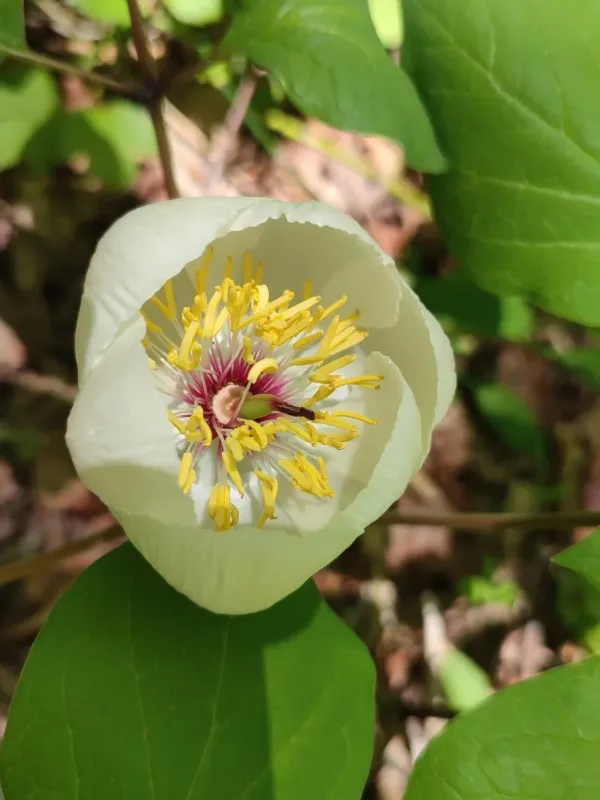
Description
Sowing dates
Propagation of Paeonia obovata is primarily achieved through root division, which is the most effective method for maintaining plant vigor. The ideal time for planting or dividing established clumps is during the autumn dormancy period, typically late August or September.
Seed propagation is possible but requires a complex stratification process to break seed dormancy. Seeds should be sown immediately after harvest to mimic natural conditions, often taking until the following spring to germinate.
When selecting a site, it is crucial to prepare the soil by incorporating well-rotted organic matter. The area should be well-drained, as these plants do not tolerate heavy, waterlogged soils for extended periods.
Proper planting depth is essential; the dormant buds should be placed 3–5 cm below the soil surface. Planting too deep can cause the plant to develop foliage without producing blooms for several years.
For young plants, consistent moisture is vital during the first two seasons to help establish a robust root system. Mulching around the base helps retain moisture and regulate soil temperature during extreme weather.
Growing requirements
Paeonia obovata belongs to the Paeoniaceae family and is native to the forests of East Asia. Unlike many sun-loving peony varieties, this species thrives in partial shade, reflecting its adaptation to woodland understory environments.
The plant performs best in neutral to slightly acidic, loose, humus-rich soil. It is well-adapted to moderate climates and is fully hardy, making it suitable for temperate gardens with proper winter protection in colder zones.
Optimal light exposure involves dappled sunlight or morning sun with afternoon shade. Excessive direct heat can lead to leaf scorch and premature wilting of the blossoms.
Regular fertilization is beneficial for long-term health, particularly applying a balanced formula during the spring growth phase. Avoid excessive nitrogen, which can lead to lush leaf growth at the expense of floral development.
Drainage is a non-negotiable requirement for this species. If the soil is heavy clay, it is recommended to amend the planting hole with perlite or gravel to prevent the crown from rotting.
Main diseases and pests
The most significant threat to this species is Botrytis blight (gray mold), which is particularly problematic in humid, stagnant environments. Promoting air circulation is the primary method of preventing infection.
Root rot caused by Phytophthora species can devastate plantings in poorly drained soil. Affected specimens must be isolated, and the surrounding soil treated to prevent the spread of the pathogen.
Aphids and thrips are common pests that may infest the soft tissue of developing buds. Early detection through regular monitoring allows for targeted control using mild insecticidal soaps or biological agents.
Nematodes are another concern, as they cause stunted growth and knots on the roots. Ensuring the use of clean, disease-free planting material is the best strategy for avoiding this issue.
Sanitation is key to disease management; removing all dead foliage at the end of the season reduces the risk of fungal spores overwintering. Keeping the garden tidy helps ensure a healthy bloom each spring.