
Japanese tree lilac
Syringa reticulata (Blume) H. Hara
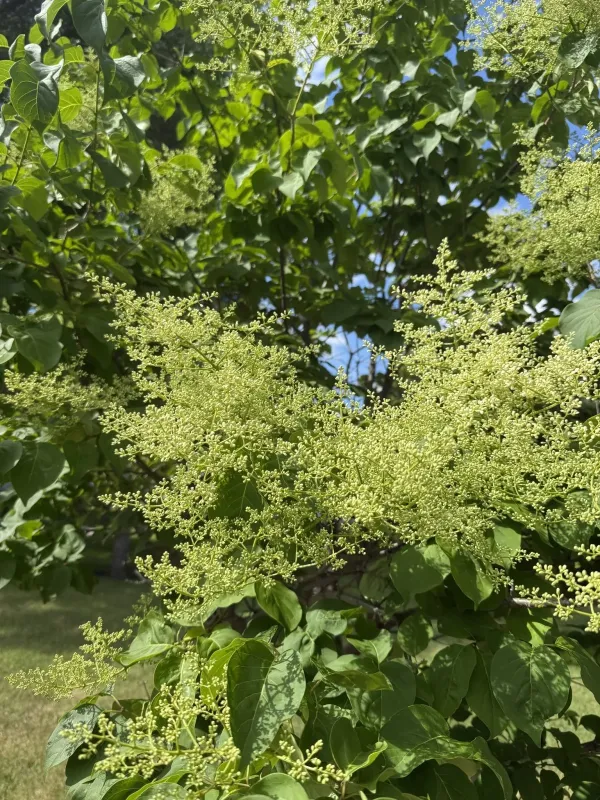
Description
Growing requirements
The Japanese tree lilac Syringa reticulata is a woody member of the Oleaceae family, valued for its large, creamy-white, fragrant flower panicles that bloom in early summer.
Native to Japan, Korea, and parts of Russia, this species is noted for its exfoliating bark and robust growth habit, often reaching the stature of a small ornamental tree.
The plant thrives in full sun but maintains tolerance for light partial shade, provided it has access to fertile, well-draining soil with a near-neutral pH balance.
Watering requirements are moderate; however, it is essential to establish deep, consistent moisture during the first two seasons to ensure successful root development.
Regular structural pruning is recommended during the dormant winter period to maintain a clean central leader and improve air circulation within the dense canopy.
Main diseases and pests
Powdery mildew is the most prevalent fungal disease affecting Syringa reticulata, typically occurring in late summer when foliage remains wet for extended periods.
Scale insects and borers represent the primary entomological threats, as they can cause significant stress by feeding on internal plant tissues and disrupting nutrient flow.
If left untreated, these infestations may weaken the branches, leading to dieback and secondary infections that compromise the overall structural integrity of the tree.
Management strategies include applying horticultural oils during the dormant season and implementing systemic insecticides at the first sign of active insect feeding.
Maintaining high hygiene standards in the orchard or garden, including the disposal of fallen leaves and debris, effectively reduces the pressure from recurring pathogens.