
Chinese lilac
Syringa x chinensis Willd.
Description
Growing requirements
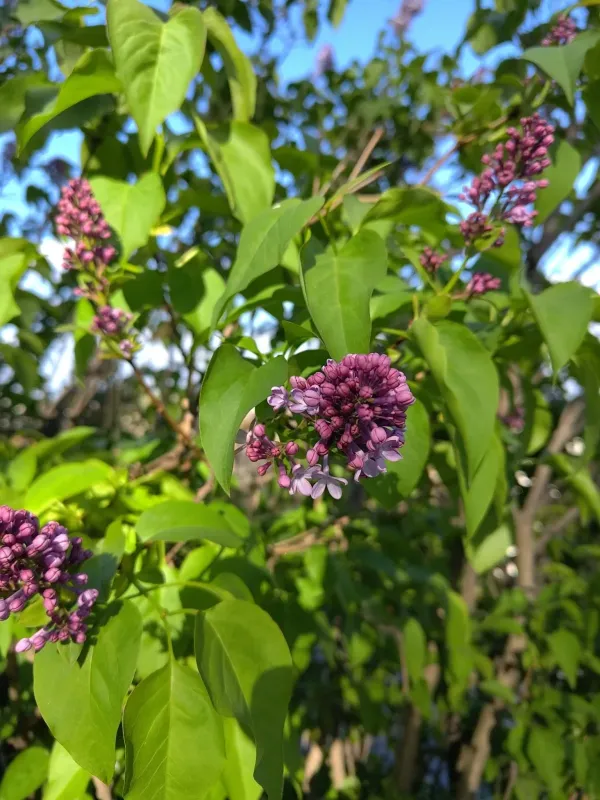
Chinese lilac (Syringa x chinensis) is a significant hybrid member of the Oleaceae family, derived from Syringa vulgaris and Syringa persica. This deciduous shrub is highly valued for its arching branches and profuse flowering, making it a staple in ornamental gardens.
The plant thrives in full sun exposure, which is essential for ensuring robust bloom production and maintaining its characteristic shape. While it is hardy in many zones, it prefers protected spots away from harsh, drying winds that can damage the delicate floral structures.
Soil quality should prioritize good drainage, as this species is susceptible to root diseases in waterlogged conditions. A loamy, nutrient-rich soil with a neutral to slightly alkaline pH is ideal for promoting vigorous vegetative growth and long-term plant health.
Agricultural management requires consistent, moderate watering during the establishment phase and periods of drought. Once mature, Chinese lilac shows a decent level of tolerance, but supplemental moisture during the bud-set stage significantly improves flower quality.
Pruning should be performed immediately after the flowering season ends. This practice prevents the plant from wasting energy on seed pod formation and encourages the development of new growth for the next year’s floral display, keeping the shrub dense and manageable.
Main diseases and pests
Powdery mildew is the most frequent fungal challenge for this species, especially in environments with poor air circulation. Using fungicidal sprays and maintaining adequate spacing between individual plants can effectively minimize the impact of this disease.
Lilac borers can infest the woody stems, leading to branch dieback. Inspecting the bark for small holes or sawdust is a crucial part of plant monitoring; if infestation is detected, removal of affected stems is often the most effective control method.
Scale insects may colonize the branches, weakening the plant by extracting vital nutrients. Horticultural oils applied during the dormant season are effective in suppressing scale populations before they cause significant physiological stress to the lilac.
Leaf miners can create unsightly trails on the leaves, which, while rarely fatal, reduces the aesthetic value of the shrub. Removing and destroying infested foliage is a practical manual control tactic to reduce the pest population for the following season.
To maintain a healthy garden ecosystem, avoid overhead irrigation, which promotes high humidity levels around the foliage, thereby creating favorable conditions for fungal pathogens such as rust and leaf spots.