
Early lilac
Syringa oblata Lindl.
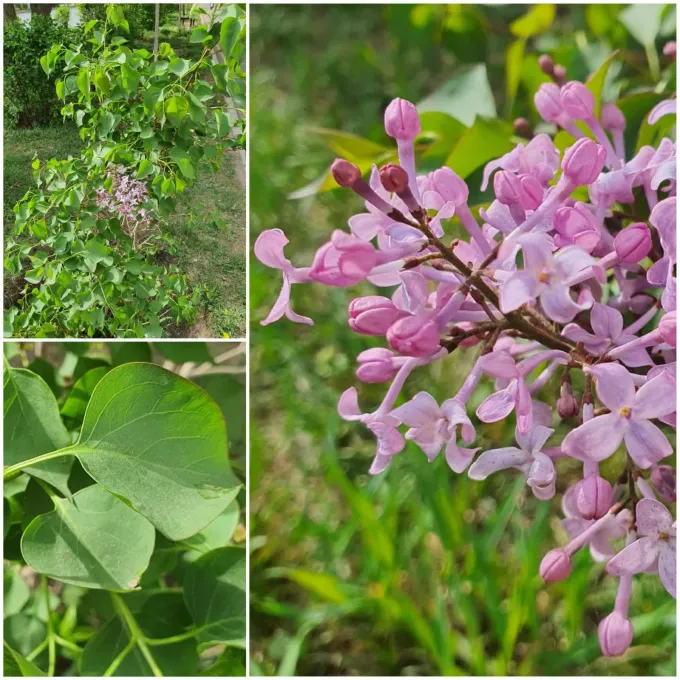
Description
Sowing dates
Early lilac (Syringa oblata) is primarily propagated through vegetative methods such as grafting onto common lilac rootstocks or softwood cuttings. Planting nursery-grown specimens is best achieved in late summer or early autumn to allow the root system to establish before the ground freezes.
Spring planting should be completed before the buds begin to swell. If planting in the spring, ensure that the site is prepared early in the season, as this species breaks dormancy very quickly compared to other varieties.
Seed propagation is possible, though it requires specific conditions for germination. Seeds typically need a period of cold stratification lasting at least 60 days at temperatures between 1 and 5 degrees Celsius before sowing in the spring.
Choose a location that receives full sun for the majority of the day. Proper light exposure is essential for the plant to produce its signature profuse flowers and maintain a dense, healthy growth habit throughout the season.
When planting, maintain a spacing of at least 1.5 to 2 meters between individual plants. This spacing is vital to allow for adequate airflow, which significantly reduces the incidence of fungal pathogens that thrive in stagnant, humid environments.
Growing requirements
Syringa oblata, a member of the Oleaceae family, is a deciduous shrub native to Northern China and Korea. It is widely recognized for its characteristic broad, heart-shaped leaves and its extremely early spring flowering period.
The shrub thrives in deep, fertile, and well-drained soils with a near-neutral pH. While it is adaptable to a range of soil textures, it performs best in rich loam where moisture is available but never waterlogged, as poor drainage is a primary cause of root failure.
Early lilac is noted for its high cold hardiness, making it an excellent choice for temperate landscapes. Its primary environmental challenge is the timing of its bloom, as it can occasionally be impacted by sudden late-season frosts that damage early floral buds.
Maintenance of soil moisture is important during the active growing phase. Supplemental irrigation may be necessary during prolonged dry spells in late spring, particularly for younger plants that have not yet fully developed deep root systems.
Pruning is essential for maintaining aesthetic appeal and plant health. Remove old, weak, or dead wood annually in early spring, and perform light shaping immediately following the flowering period to encourage new bud formation for the following year.
Main diseases and pests
Powdery mildew is the most common fungal issue affecting the foliage of early lilac. It manifests as a white, dusty layer on the leaf surfaces, which can be mitigated through the use of fungicides or by increasing airflow through selective pruning.
Bacterial blight can cause sudden wilting and blackening of the shoots. This is a severe threat that requires prompt identification and removal of affected branches, ensuring that tools are sterilized between cuts to avoid cross-contamination.
Insect pests such as lilac borers and various moth larvae can weaken the stems or defoliate the plant. Regular monitoring of the bark and leaf undersides during the growing season is the most effective way to prevent widespread infestation.
Scale insects can be persistent pests that sap the vitality of the plant by feeding on the nutrients in the sap. Horticultural oils or systemic insecticides applied during the crawler stage provide effective control against these sap-sucking insects.
A proactive garden hygiene program, including the removal of fallen leaves and the application of balanced fertilizers, helps strengthen the shrub's natural defenses against typical environmental and biological stressors.