
Common lilac
Syringa vulgaris L.
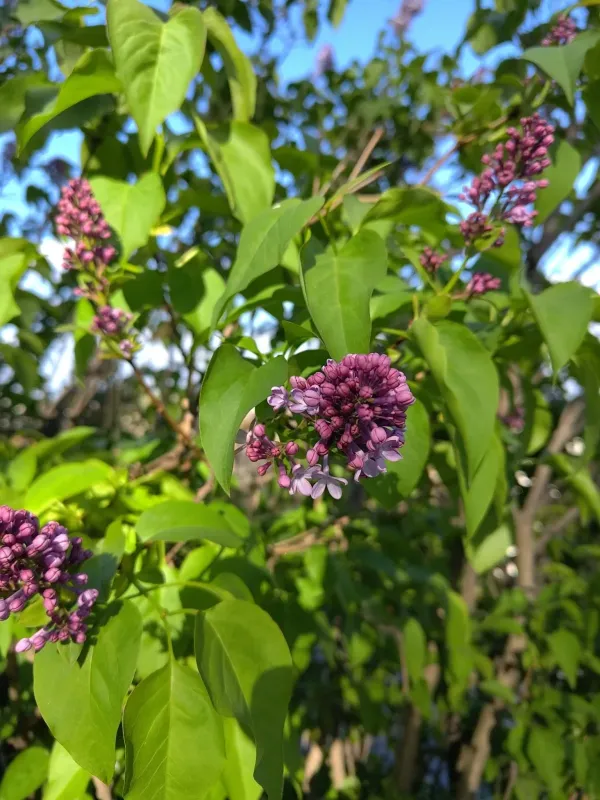
Description
Growing requirements
The common lilac (Syringa vulgaris L.) is a popular perennial flowering shrub belonging to the Olive family (Oleaceae). Originally native to the Balkan Peninsula, it has become widely naturalized and cultivated across temperate regions worldwide.
Cultivation of this shrub requires a location with full sun exposure for at least six to eight hours a day. Adequate sunlight is essential for flower bud development and maintaining a dense, healthy branching habit throughout the growing season.
The plant thrives in deep, fertile, and well-drained soils with a neutral to slightly alkaline pH. It is highly intolerant of waterlogged conditions, which can quickly lead to root rot and other physiological disorders in the root zone.
Common lilac is exceptionally hardy, capable of enduring severe winter temperatures. It is well-suited for various landscaping projects due to its ability to tolerate urban pollution and its relatively low maintenance once established in the ground.
Proper soil preparation, including the addition of compost or well-rotted manure, promotes vigorous growth. Regular pruning is necessary to maintain shape, improve airflow within the canopy, and encourage abundant annual blooming.
Main diseases and pests
Bacterial blight is a significant threat to lilacs, typically causing black spots on foliage and sudden wilting of young shoots. Management involves pruning out affected wood and ensuring optimal plant spacing for better air circulation.
Powdery mildew appears as a white, dusty coating on leaves, especially during late summer when humidity levels fluctuate. While primarily aesthetic, severe infestations can weaken the plant's overall energy reserves.
Scale insects and the lilac leaf miner are common pests that feed on plant sap and tissue. Regular scouting and the application of horticultural oils or systemic insecticides help keep pest populations below damaging thresholds.
Verticillium wilt is a persistent fungal disease that blocks the plant's water-conducting tissues. Prevention is key, as there are no effective chemical cures once a plant is deeply infected with the pathogen.
- Annual pruning of dead or diseased wood
- Maintaining proper spacing for ventilation
- Integrated pest management practices
- Application of balanced fertilizers in early spring