
Hungarian lilac
Syringa josikaea J. Jacq. ex Rchb.
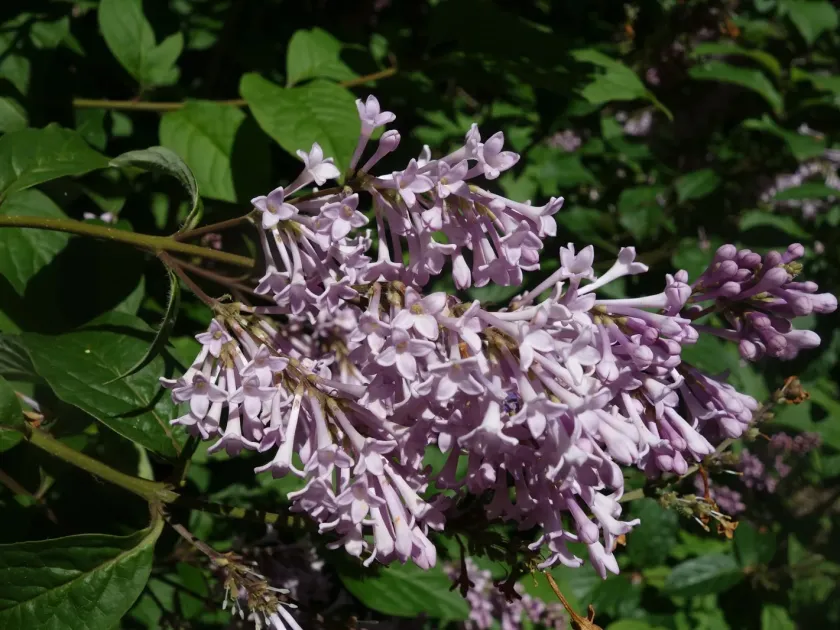
Description
Growing requirements
Hungarian lilac (Syringa josikaea) is a robust deciduous shrub belonging to the Oleaceae family. It originates from the mountainous regions of Central and Eastern Europe, making it a highly resilient species suitable for various landscape applications.
This plant is highly valued for its exceptional cold hardiness and adaptability to different climate zones. It thrives best in full sun, which promotes dense growth and abundant flowering, although it maintains its health in light shade conditions.
The cultural requirements include planting in fertile, well-drained loamy soils. Neutral to slightly alkaline pH levels are preferred. Poor drainage is detrimental to the plant, as the root system is sensitive to waterlogging, necessitating proper soil preparation before planting.
Agrotechnical practices involve consistent irrigation during the establishment phase and periods of extended drought. Annual fertilization with organic compost or balanced NPK fertilizers in early spring ensures vigorous growth and maintains the overall vitality of the shrub.
Its primary use is in ornamental horticulture. Due to its dense, upright branching habit, it is an excellent choice for privacy hedges, windbreaks, and mass plantings in urban parks, as it is relatively tolerant of industrial pollution compared to other species.
Main diseases and pests
The Hungarian lilac may be affected by powdery mildew, a fungal disease characterized by white powdery spots on the foliage. To prevent outbreaks, it is crucial to ensure good air circulation within the canopy and apply appropriate fungicidal treatments if necessary.
Pest issues generally involve lilac leaf miners and aphids. Integrated pest management strategies, such as physical removal of damaged foliage and the use of targeted insecticides, are effective in maintaining the health and decorative value of the shrubs throughout the growing season.