
Nodding Lilac
Syringa komarowii C. K. Schneid. subsp. reflexa (C. K. Schneid.) P. S. Green & M. C. Chang
Description
Sowing dates
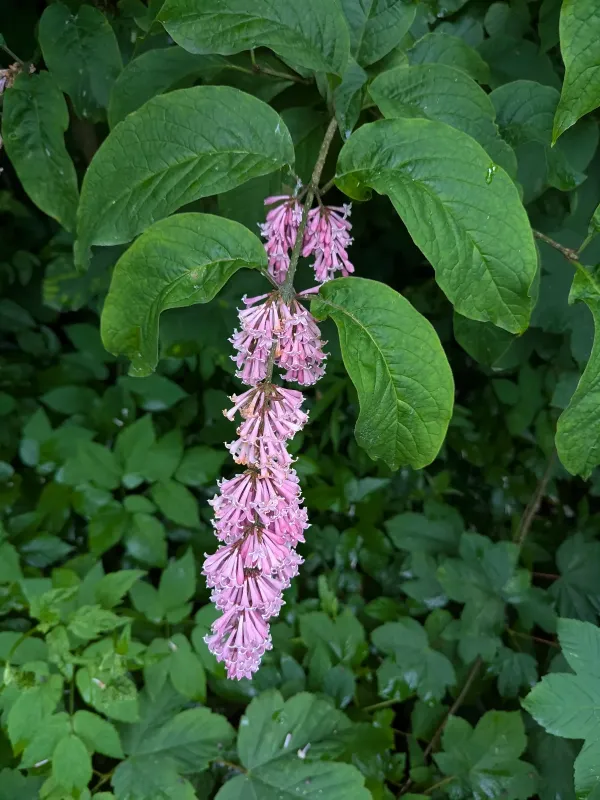
The Nodding Lilac (Syringa komarowii subsp. reflexa) is a distinctive member of the Oleaceae family, prized for its unique, drooping flower panicles. Propagation is typically achieved through vegetative methods such as grafting or stem cuttings to ensure the stability of the plant's unique characteristics.
Seed propagation is possible but is generally reserved for breeding programs. Seeds require a period of cold stratification for several months to break dormancy before being sown in well-prepared, loose soil during the spring months.
When transplanting young lilac shrubs, it is essential to choose a site with well-draining soil and ample sunlight. Spring is the most favorable time for planting, allowing the root system to establish itself before the heat of summer.
The planting hole should be spacious enough to accommodate the root ball. Enriching the soil with organic matter such as compost or well-rotted manure helps provide the necessary nutrients for vigorous early growth.
Proper spacing between plants, usually 2 to 3 meters, is crucial to prevent competition for nutrients and to ensure adequate airflow, which is essential for the long-term health of the shrub.
Growing requirements
Originating from the mountainous regions of China, this lilac species thrives in temperate climates. It prefers fertile, loamy soils with a neutral pH, and it is vital to avoid areas with poor drainage to prevent root rot.
Watering requirements are moderate; however, regular hydration is necessary during the establishment phase and throughout the blooming season. The soil should remain consistently moist but never waterlogged to support robust growth.
Fertilization should be applied early in the spring, just as the buds begin to swell. A balanced slow-release fertilizer provides steady nutrients that encourage both foliage development and spectacular, nodding floral displays.
Pruning is a critical maintenance task that should be performed immediately after flowering. Removing faded blossoms and selectively thinning out older branches encourages new growth and keeps the plant at a desirable size.
The plant is highly winter-hardy and can withstand significant frost. Mulching around the base of the shrub in late autumn helps retain soil moisture and protects the root system during extreme temperature fluctuations.
Main diseases and pests
Powdery mildew is a common fungal challenge for many lilacs, especially in humid conditions. It manifests as a white, powdery coating on the leaves and can be managed through proper spacing and occasional fungicidal treatments.
Lilac borers and scale insects are among the most persistent pests. These insects can cause structural damage to the stems and weaken the shrub, so regular monitoring of the bark and foliage is recommended to catch infestations early.
Bacterial blight can also affect the plant, causing dark spots on leaves and premature wilting. Pruning and destroying affected branches promptly is the most effective way to curb the spread of the infection within the garden.
Integrated pest management, including the encouragement of beneficial predatory insects, is a sustainable approach to keeping the Nodding Lilac healthy throughout the growing season.
- Regular inspection of leaves for signs of discoloration.
- Applying dormant oil sprays if scale insects are detected.
- Ensuring good garden hygiene to remove overwintering pests.